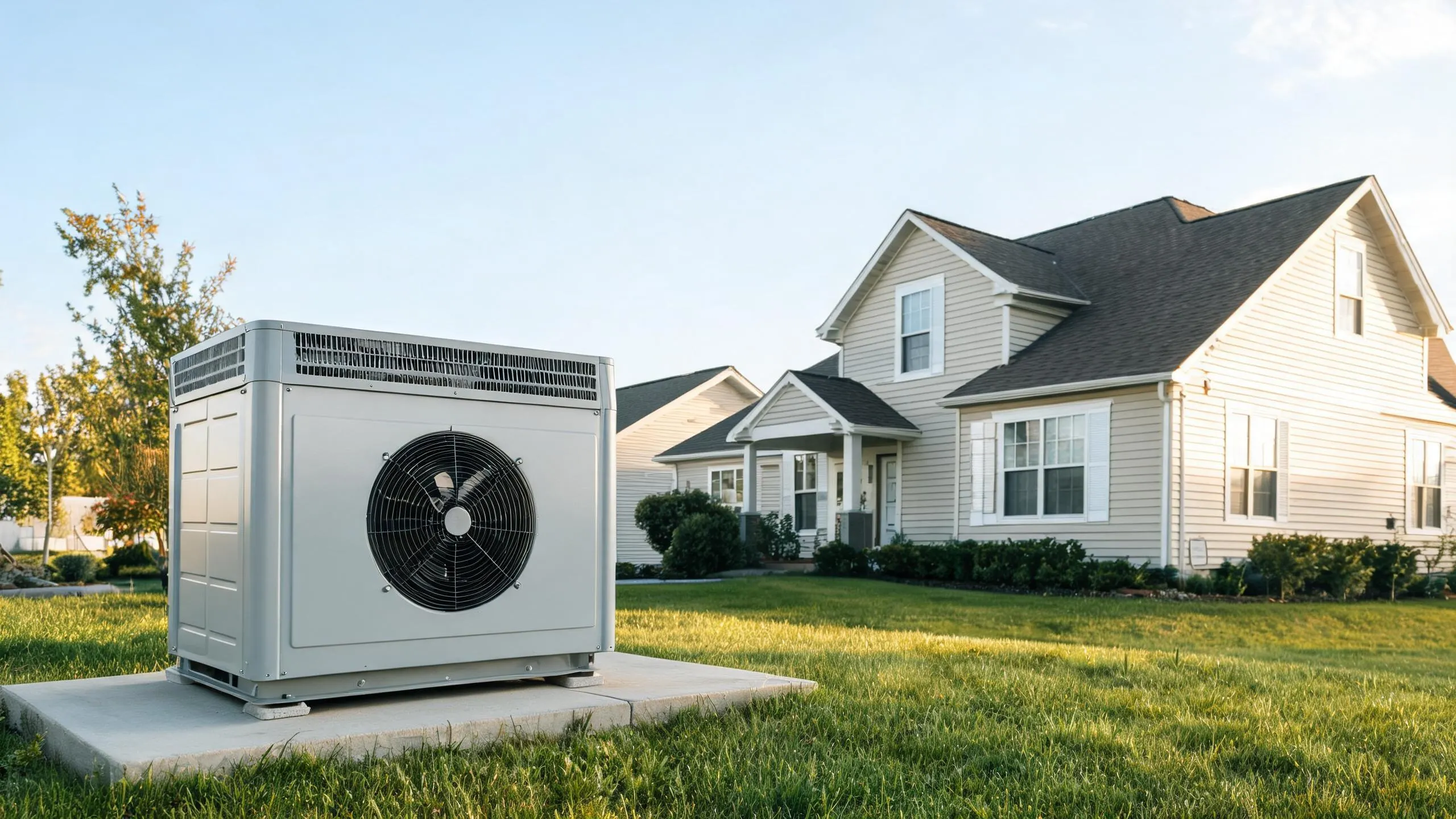
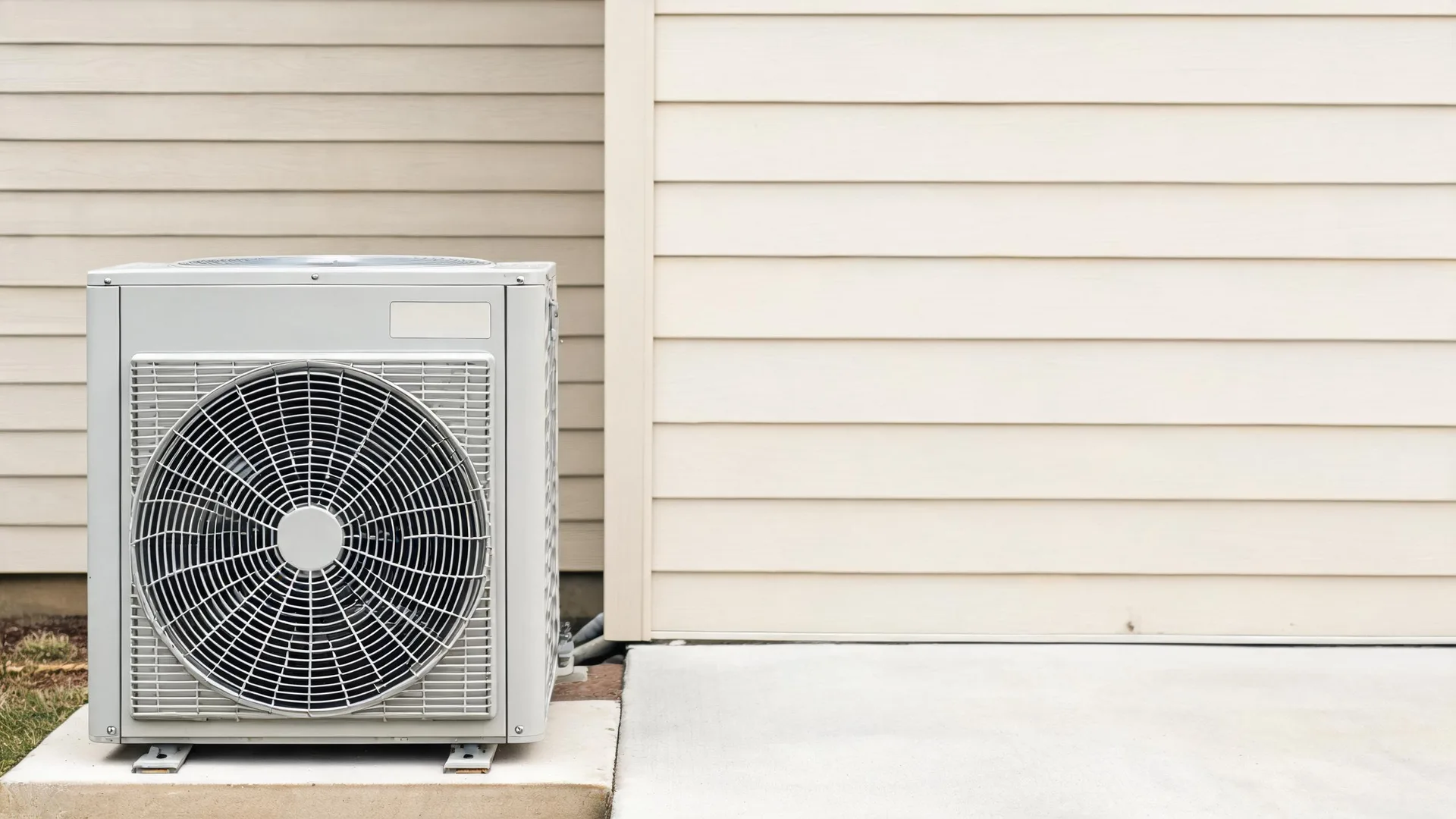
A quick visit usually means someone glances at the outdoor unit, checks the pressure, and calls it done. A thorough one means the coils get cleaned, not just looked at, because a dirty coil makes the whole system work harder to move heat. The tech should pull the panel and check the contactor and capacitor for wear, since those parts fail slowly before they fail all at once. They should check refrigerant charge against the actual target for your unit, not just see if it's low. Outside, the reversing valve gets tested both ways, because a heat pump that only works in one direction will leave you stuck come the season it can't handle. And someone should check the condensate drain, since a clogged one causes damage you won't notice until water shows up where it shouldn't.
Tate County logged 58 severe weather events between 2015 and 2024, from wind to hail to winter storms.
A heat pump that gets checked once a year catches the wear before the next storm finds it.
Half the homes in Tate County date to 1992 or later, so your heat pump is probably still within its working life
Half the homes here were built by 1992Power costs 13.39 cents a kWh statewideClimate zone 3A
If your heat pump is one of the newer ones, a yearly check is what keeps it that way. Catching a weak capacitor or a slow refrigerant leak early means it gets fixed on your schedule, not during a cold snap or a heat wave. Skip a few years of checks and a system built to last another decade or more starts showing problems that could have been caught early. That matters here more than most places, since close to a fifth of homes in the county are mobile homes, where the outdoor unit often sits closer to the ground and picks up more dirt and debris.
The system still runs. That's not the same as fine.
A system can look fine and still be close to a failure nobody's watching for. The signs worth catching are small on their own. Ice forming on the outdoor unit outside of a defrost cycle. A hiss or gurgle from the lines that wasn't there before. The system blowing air that feels wrong for the mode it's in, cool air when it should be warm, for a few minutes after it switches over. Short cycling, where it kicks on, runs a few minutes, and shuts off again instead of holding a steady run. A breaker that trips once and gets reset without anyone asking why. Any one of these can mean the reversing valve is sticking, the charge is off, or a capacitor is on its way out. None of them stop the system from running that day. By the time one of them does, the part behind it has usually been failing for a while.
The filter protects the coil, not just your air
A dirty filter chokes airflow before it ever reaches the coil. Once airflow drops, the indoor coil can't move heat the way it's supposed to, and in cooling mode it can ice over. That ice blocks airflow even further, so the problem feeds itself until the system is barely moving any heat at all.
A clogged drain backs up before you see it
Condensate is supposed to run off the indoor coil and out through the drain line. Algae and dust build up inside that line over time, the same as any drain does. Once it's blocked, the water backs up into the drain pan and spills out wherever the pan overflows, often inside a closet or attic where nobody's looking.
A tune-up also turns up things no homeowner would think to check. Low airflow across the indoor coil can come from a blower wheel caked in dust, something you'd never see without pulling it apart. Electrical connections loosen slowly from the vibration of the system cycling on and off, and a loose connection runs hotter than it should until it burns a wire or trips the breaker. The sensor that tells the system when to defrost the outdoor coil can drift out of calibration, so the unit either defrosts when it doesn't need to or skips it when it does, and either way ice builds where it shouldn't. Refrigerant lines get checked for rubbed spots and loose insulation, since a line rubbing against metal will eventually wear through. None of this shows up by looking at the thermostat or listening to the system run.
A good tune-up also means someone actually tests how the system switches between heating and cooling, not just that it runs. The reversing valve is what makes a heat pump different from a plain air conditioner, and it's a common point of failure because it works every single cycle change, all year. A tech should also check refrigerant line insulation for gaps, since exposed line loses efficiency and can sweat enough to cause water damage nearby. Belts aren't part of this, since the blower and compressor are direct-drive, but the motor mounts and bearings still wear and should get checked for play or noise. The outdoor unit's defrost cycle is worth watching too. If it defrosts too often or not enough, something upstream is already drifting out of spec.