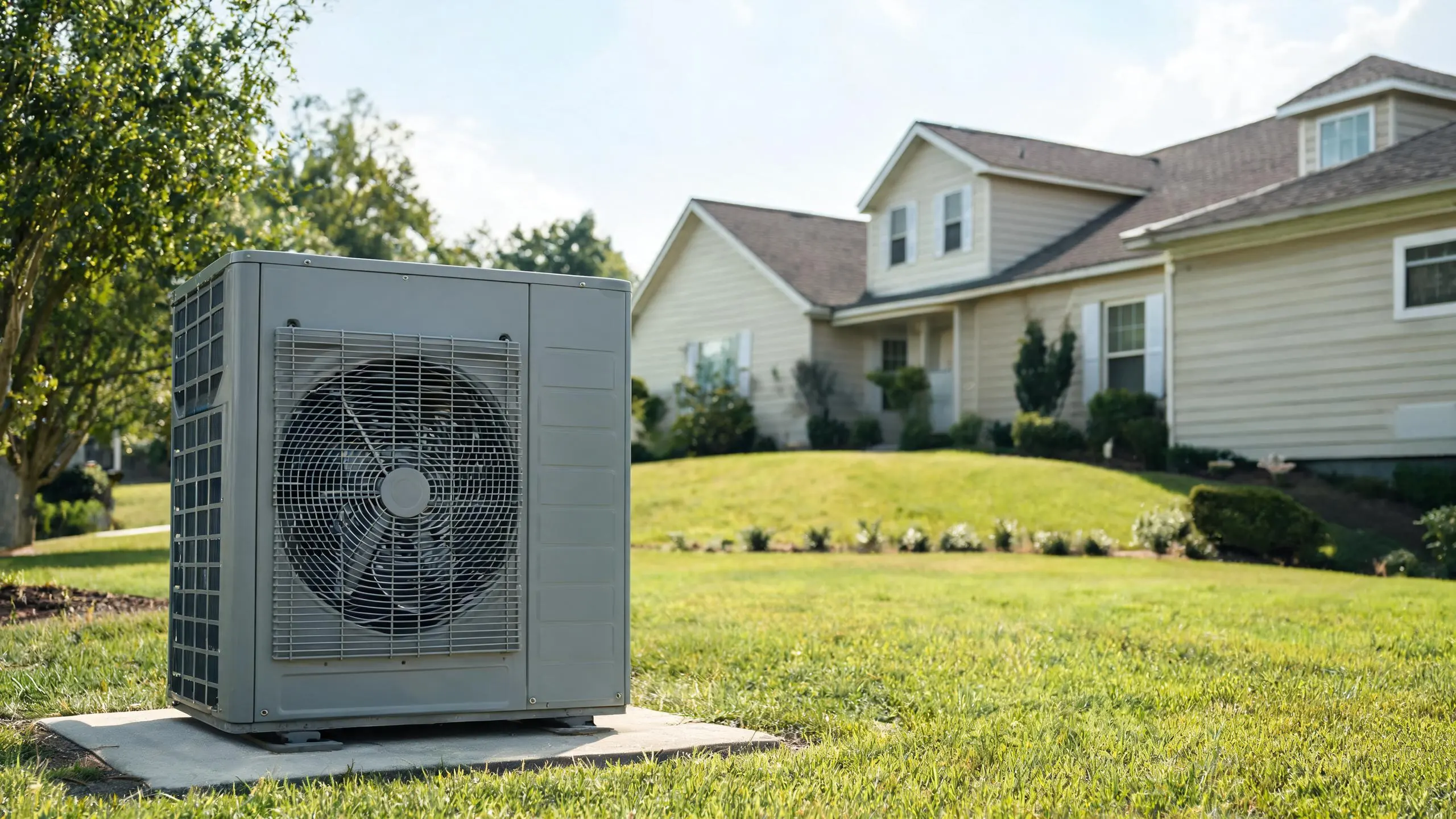




A gray outdoor HVAC condenser unit mounted on a concrete pad in the front yard of a two-story suburban house.

Heat Pump Maintenance in Gulfport, MS

Tell us about the job

Takes about a minute. No obligation.

Tune-up, service, or cleaningHeat PumpHarrison County, MS
Step 1 of 2

What ZIP code is the job in?

A heat pump running normally has a steady sound and a steady airflow, and your ear will catch it when that changes. Listen for short cycling, where the system kicks on and off again before a room has time to feel it. Watch the outdoor unit for ice building up on the coil outside of a normal defrost cycle. Inside, weak airflow from the vents often means a dirty filter or a blower working harder than it should. A system that runs but never quite reaches the temperature on the thermostat is telling you the refrigerant charge or a part inside is off. None of these stop the unit from running, which is exactly why they get ignored until the day it doesn't.

Half the homes in Harrison County were built in 1994 or later.

A heat pump that age still has years ahead of it, and a yearly check is what keeps it on track to use them.

October is the month to get it checked, before heat runs November through March

Cooling runs May through October
Heat runs November through March
Power costs 13.39 cents a kWh statewide

The filter is the first thing worth checking and the easiest to get wrong. A dirty filter chokes airflow. The system has to run longer to move the same amount of air, and that wears on the blower motor. The indoor coil sits right behind that filter, and anything the filter misses lands on the coil instead, building up as a layer that blocks heat transfer. The outdoor coil has its own problem. Leaves, grass clippings and dirt pack into the fins, and the unit can't reject heat the way it's supposed to. A heat pump also pulls moisture out of the air, same as an air conditioner does, and that water has to go somewhere. Algae and dust clog the drain line over time, and when it backs up, water ends up where it shouldn't.

Get the yearly check done before it has to work for its living

A yearly check now is what keeps a system that age on schedule, instead of waiting for a cold snap to find out something's off.

Find a contractor
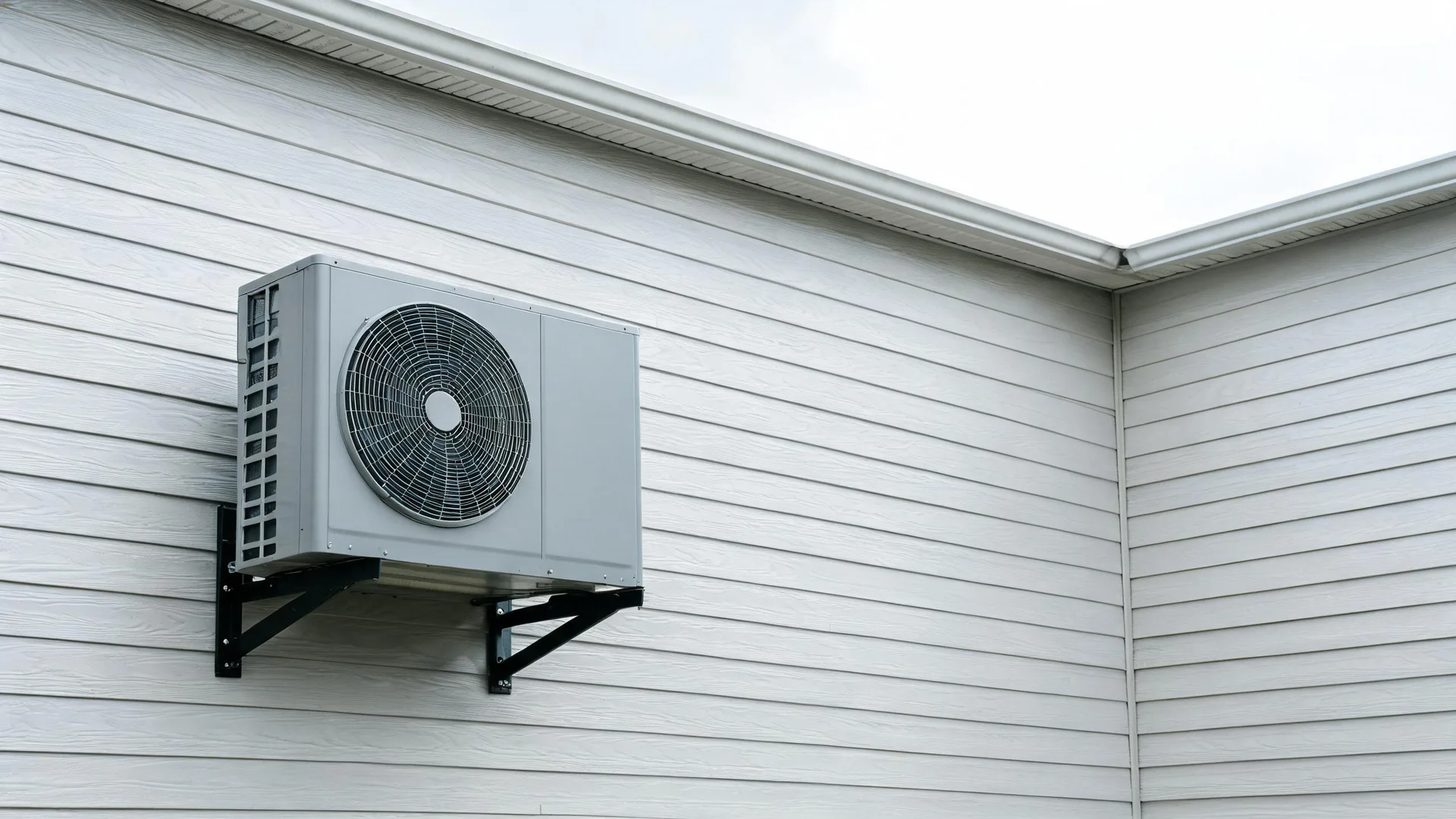
A gray air-source heat pump mounted on a concrete pad next to a house with gray vinyl siding, surrounded by gravel and flanked by green shrubs and white hydrangea flowers.

What you can check without calling anyone

Between visits, the filter is yours to manage. Check it monthly and change it when it looks gray or matted, more often if there's a pet shedding in the house. Outside, keep the unit clear. Grass clippings, leaves and mulch pile up against the fins and choke airflow, so rake anything away from the sides and keep plants trimmed back. Walk past the outdoor unit now and then and listen. A steady hum is normal. Rattling, grinding or a sound that wasn't there last week is not, and it's worth having someone look before it gets worse. Keep an eye on the drain line too, if you can see where it lets out. A heat pump pulls moisture from the air year round, and if that line is blocked, water backs up instead of draining away. None of this replaces a yearly check, but it's what keeps the system running the way it should in between.

The refrigerant charge drifts and nobody notices

A heat pump low on charge still blows air and still heats the house, just not as well as it should. The compressor works harder to move the same amount of heat, and that strain shortens its life. Without a gauge check during a visit, a slow leak can run for years before the system finally can't keep up.
Skipped visits turn small fixes into failed parts

A worn contactor or a weak capacitor gets caught and swapped out during a routine check, long before it fails. Left alone, that same part gives out while the system is running, and whatever it was protecting, often the compressor, takes the damage instead.

A real tune-up means hands on the equipment, not a glance at the thermostat. The tech should pull the panel and check the capacitor's actual readings against what's printed on it, not just see that the fans spin. Refrigerant charge gets checked against pressures and temperatures, with gauges connected, not guessed from how cold the air feels at a vent. The contactor's switch points get inspected for pitting, since that's where a unit starts failing to kick on at all. Outside, the coil gets washed clean, not just glanced at through the fins. If the whole visit takes less time than it does to explain what should happen during it, something got skipped.

A reversing valve is the part that makes a heat pump different from a straight air conditioner, and it's one of the first things a tech should check. It's what switches the system between heating and cooling, and if it sticks, the unit can get stuck blowing cold air in the middle of winter. The defrost control is the other piece unique to a heat pump, and it's worth testing directly rather than taking on faith. That control tells the outdoor unit when to melt off frost that builds up during normal winter operation, and when it fails, ice keeps building until the coil is blocked solid. A tech can force a defrost cycle and watch it complete, start to finish, rather than just confirming the board has power. Electrical connections get checked too, since the constant switching between heating and cooling puts more wear on contacts than a system that only ever runs one direction.