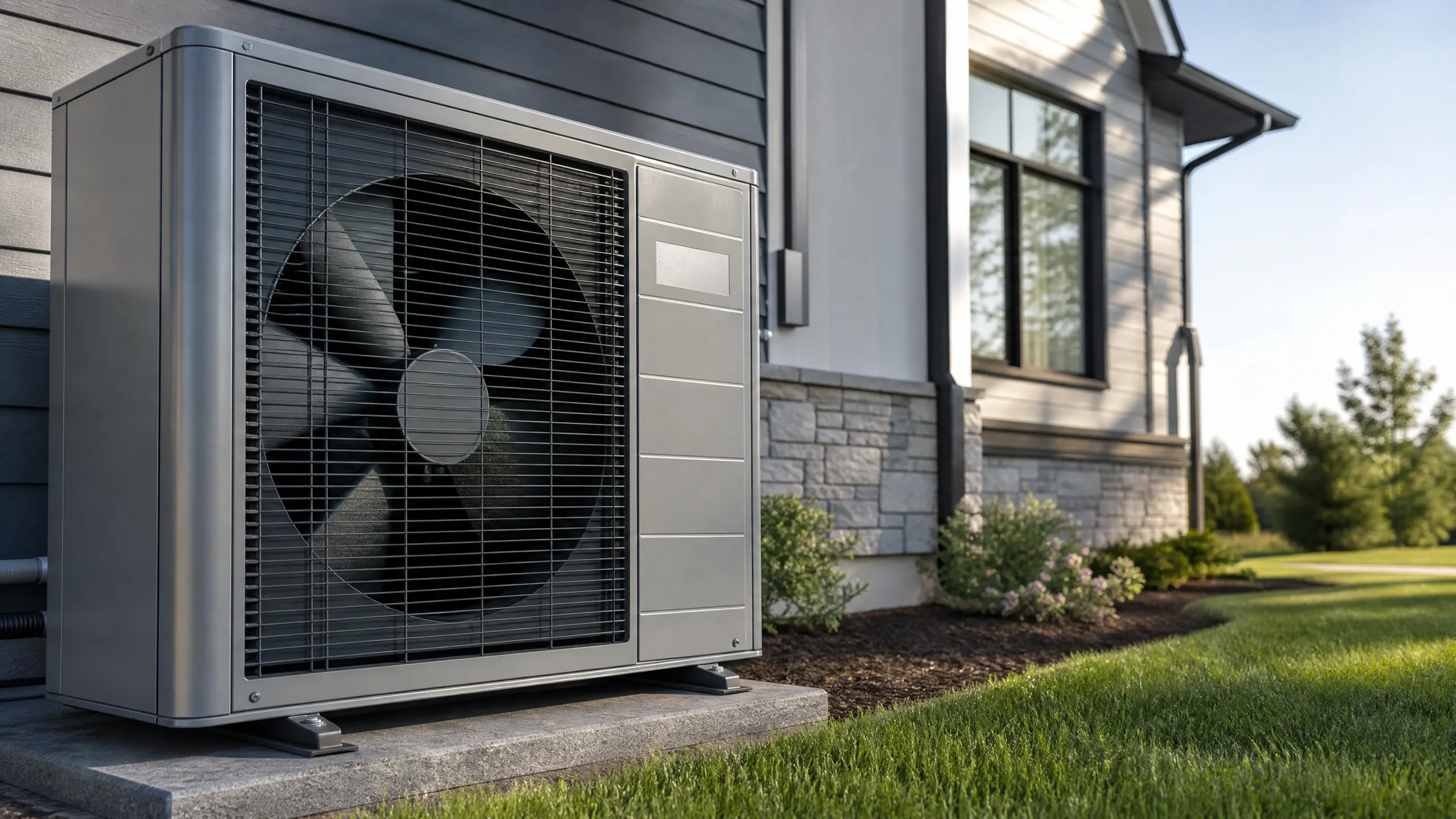




A grey heat pump outdoor unit mounted on a concrete pad against the exterior wall of a house with grey siding and stone veneer.

Heat Pump Maintenance in Philadelphia, MS

Tell us about the job

Takes about a minute. No obligation.

Tune-up, service, or cleaningHeat PumpNeshoba County, MS
Step 1 of 2

What ZIP code is the job in?

A heat pump only works as well as the air can move through it. A dirty filter chokes that airflow, and the system has to run longer to move the same amount of heat. That strain shows up on the coils next. The indoor coil can start icing over when airflow drops too low, and a frozen coil stops doing its job completely. Outside, the condenser coil needs to stay clear of dirt, grass clippings and leaves, since it's rejecting or pulling heat right through those fins. Then there's the drain line, which carries condensation away from the indoor unit. Let that clog and water backs up, sometimes into the pan, sometimes past it. None of these parts fail on their own. One leads to the next if it's ignored.

Heat pumps in Neshoba County start working through November cold.

Have it checked in October, before that first cold month puts a bad part to the test.

Half these homes are old enough to need a yearly checkup they haven't been getting

Half the homes here were built by 1985
93 damaging wind events from 2015 to 2024
Power costs 13.39 cents a kWh statewide

Damaging wind hit Neshoba County 93 times between 2015 and 2024. That kind of wind throws leaves and grass clippings into the condenser fins and can knock a panel loose or stress a connection without any sign of it from inside the house. A yearly checkup is when a contractor finds that kind of damage, before the next storm or the next cold snap puts it to the test. Once a year matches how often this county actually gets hit.

Book it before the season

It starts running hard in the first month of the season here. Book the check the month before.

Find a contractor
A gray heat pump outdoor unit mounted on a concrete pad next to a residential house with lap siding and stone accents.

The system tells you before it fails

A heat pump that's wearing out gives warning before it quits. Listen for it running longer than it used to, or cycling on and off more than it should. Check the air at the vents. It should feel warm on heat mode and cold on cooling mode, not weak or lukewarm. Frost on the outdoor unit when it has no business defrosting is another sign. So is a hissing or bubbling near the refrigerant lines. None of these mean the system is finished. They mean a contactor, a capacitor or the charge itself is starting to go, and a tech can still get to it with the system intact. Ignore the warning long enough and the compressor is usually what gives out next, and a heat pump does not run without it.

A quick visit checks that it runs

A fast tune-up checks that the system turns on, blows air and responds to the thermostat. That tells you it works today. It does not tell you the refrigerant charge is correct, or whether the contactor is pitted and about to fail, or what the coil looks like underneath the dirt that's built up on it.
A thorough one checks why it will keep running

A real tune-up means pulling the panels, checking refrigerant pressure against what the system calls for, testing the capacitor and contactor under load, and washing out the condenser coil rather than just looking at it. It means checking the drain line is clear, not just that it isn't backed up yet. That's the difference between a system that passes inspection and one that's actually ready for the months ahead.

Skip maintenance long enough and a heat pump doesn't fail all at once. It fails in order. Dust builds in the filter first, and almost nobody notices that part. Airflow drops, so the system runs longer to move the same heat, and that long runtime is what wears down a contactor or a capacitor years before it should give out. Refrigerant charge drifts low and nobody catches it because the system still blows warm, just not as warm, and a low charge left alone is what finally takes the compressor with it. A compressor is the one part that doesn't get replaced on its own. Once that goes, the whole outdoor unit usually goes with it.

A proper tune-up starts with the nameplate, not the thermostat. A tech checks refrigerant charge against what the system is rated for, using gauges, not a guess based on how cold the air feels. The capacitor and contactor get tested under load, because both can look fine sitting still and still fail the moment the system has to work. The condenser coil gets washed out, not just rinsed, since packed dirt between the fins blocks heat transfer the same way a dirty filter blocks airflow. Electrical connections get checked for a loose lug or a connection that's started to corrode, the kind of thing that runs hot for months before it finally fails. The reversing valve gets tested too, since that's the part that switches a heat pump between heating and cooling, and a valve that's sticking shows up as a system stuck in the wrong mode. Last comes the drain line and the condensate pan, flushed clear so neither backs up the first time humidity climbs.