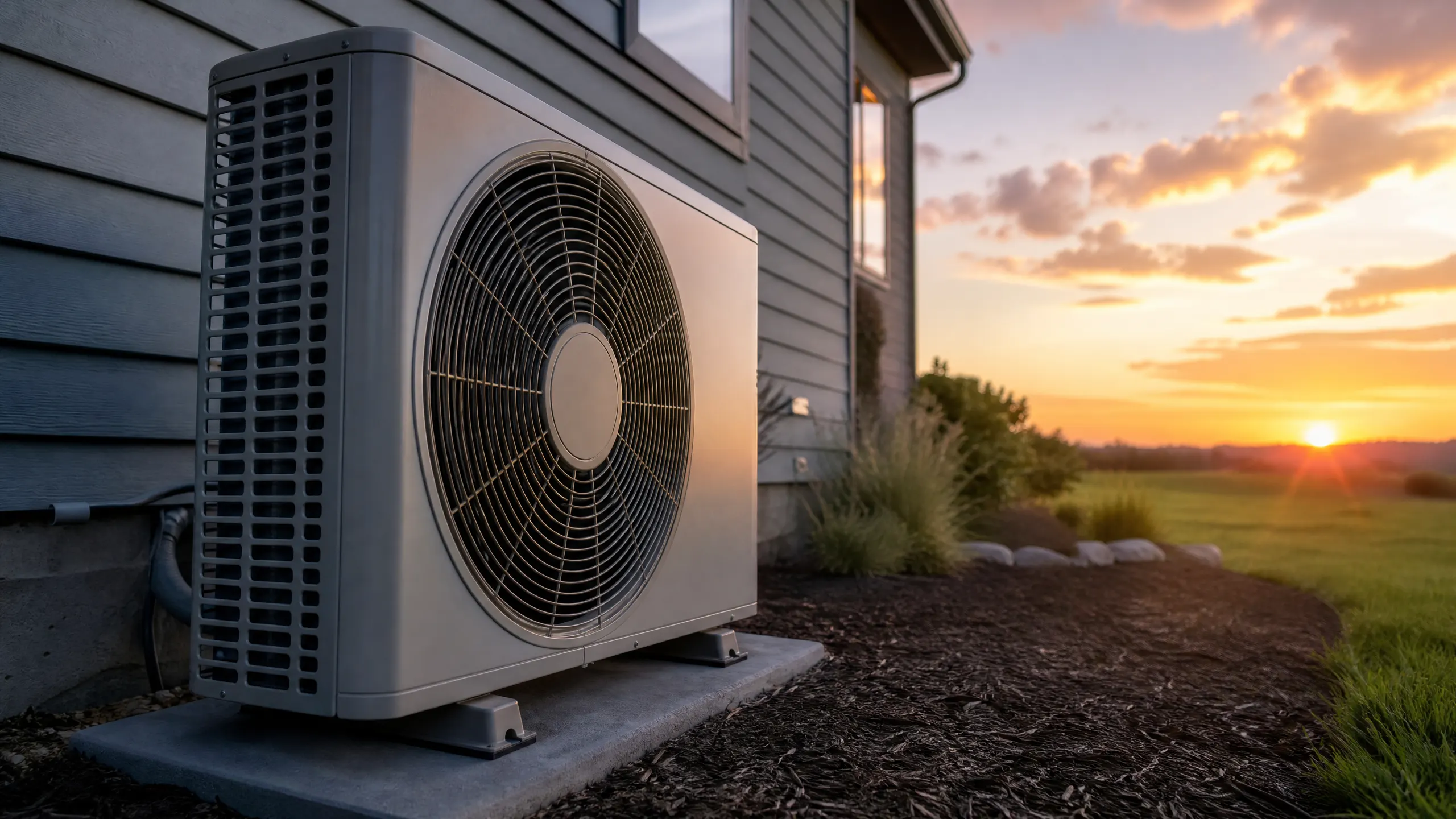




A grey residential air-conditioning condenser unit mounted on a concrete pad beside a house, photographed at sunset.

Heat Pump Maintenance in Tupelo, MS

Tell us about the job

Takes about a minute. No obligation.

Tune-up, service, or cleaningHeat PumpLee County, MS
Step 1 of 2

What ZIP code is the job in?

A tune-up starts outside, at the outdoor coil. Dirt and grass clippings build up on those fins over time, and once they're coated, the system can't pull heat from the air the way it should. A tech will also check the refrigerant charge, since a heat pump that's low won't heat or cool properly in either direction, and that's not something you can see by looking at it. Inside, the air handler gets checked too, including the blower wheel, which collects dust that throws off airflow across the whole house. The reversing valve gets tested, since that's the part that switches the system between heating and cooling, and a sticky one can leave you stuck in one mode without any warning. None of this shows up from the thermostat. It only shows up when someone opens the cabinet and looks.

Heat pumps here start their heating work in November.

October is when a tune-up catches a weak part before the cold asks anything of it.

Half the homes here were built by 1988. The systems inside them are probably younger than that.

Half the homes here were built by 1988
94 damaging wind events from 2015 to 2024
35 hail events from 2015 to 2024

A newer system still deserves a yearly look

If your heat pump went in with the house, it's probably not old. A yearly check in the fall keeps a younger system running the way it's supposed to for years, catching a weak part before it has to carry the house through winter.

Find a contractor
A gray air-source heat pump mounted on a concrete pad next to a house with gray vinyl siding, surrounded by gravel and flanked by green shrubs and white hydrangea flowers.

Skip enough tune-ups and the compressor pays for it

A heat pump that never gets looked at doesn't fail all at once. The coil stays dirty, so it runs longer to move the same heat, and that extra runtime wears on the compressor, the part that drives the whole system. Low refrigerant left unchecked does the same kind of damage, forcing the compressor to work against a charge it was never built to handle. The reversing valve is the other quiet one. If it starts sticking and nobody catches it early, it can fail stuck, and the first sign is a system that won't switch out of cooling on a cold morning. None of this announces itself ahead of time. The system keeps running, a little worse each season, until the part that was already weak is the one that gives out.

Keep the outdoor unit clear

The outdoor coil needs open air around it to work. Keep leaves, grass clippings and mulch away from the cabinet, and leave space on all sides instead of letting shrubs grow in close. After a storm, check that branches or debris haven't landed on top of it. None of this replaces a tech cleaning the coil fins, but a unit that's buried in yard debris between visits has to work harder than it should.
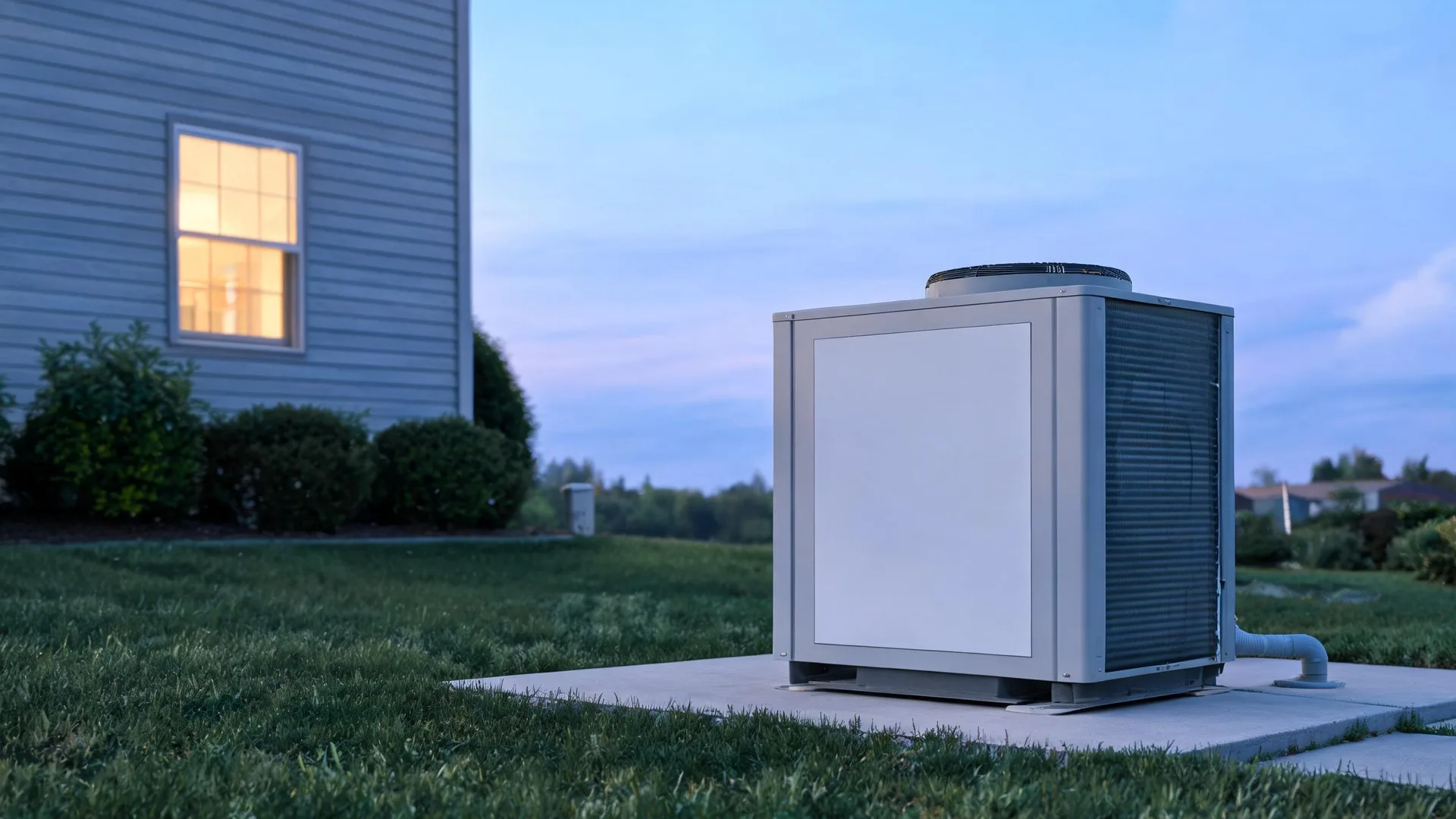
Change the filter and watch the airflow

A dirty filter is the one thing between visits that's entirely on the homeowner. A clogged filter starves the blower and can ice up the indoor coil even in heating mode, so check it monthly and swap it when it looks gray or matted. Beyond that, pay attention to the vents around the house. If one room stops getting warm air or a vent feels blocked, check that furniture or rugs aren't covering it. That's about as far as a homeowner should go. Anything involving the refrigerant lines, the reversing valve or the inside of the cabinet is a job for whoever does the tune-up, not something to open up on your own.

A quick visit means someone swaps the filter, glances at the outdoor unit, and checks that the thermostat calls for heat. A thorough one means the panels come off. The tech pulls the blower wheel assembly or at least inspects it closely, checks refrigerant pressures against what the system is supposed to run at, and tests the reversing valve under both modes instead of just confirming it exists. Electrical connections get tightened, since a loose one generates heat and wears the connection further over time. The condensate drain gets checked too, because a clogged one backs up and can shut the system down or damage what's around it. If the visit takes about as long as it takes to check a filter and look at a thermostat, most of that list didn't happen.

A heat pump has one more part worth naming before the panels go back on. In heating mode, frost builds on the outdoor coil, so the system has to reverse itself briefly and melt it off before going back to heating. A tech checks that this cycle starts and ends when it should. A board that misreads the coil temperature can skip defrost entirely, leaving the coil iced over, or run it too often, which wastes heat and wears the reversing valve harder than it needs to. The outdoor fan motor gets checked too, since it has to pull air through that same coil, and a motor running slow or pulling too much current often fails before the next cold stretch. None of this is visible from inside the house. It only shows up when someone is outside, watching the unit actually cycle through a defrost.