Monroe County gets hit often
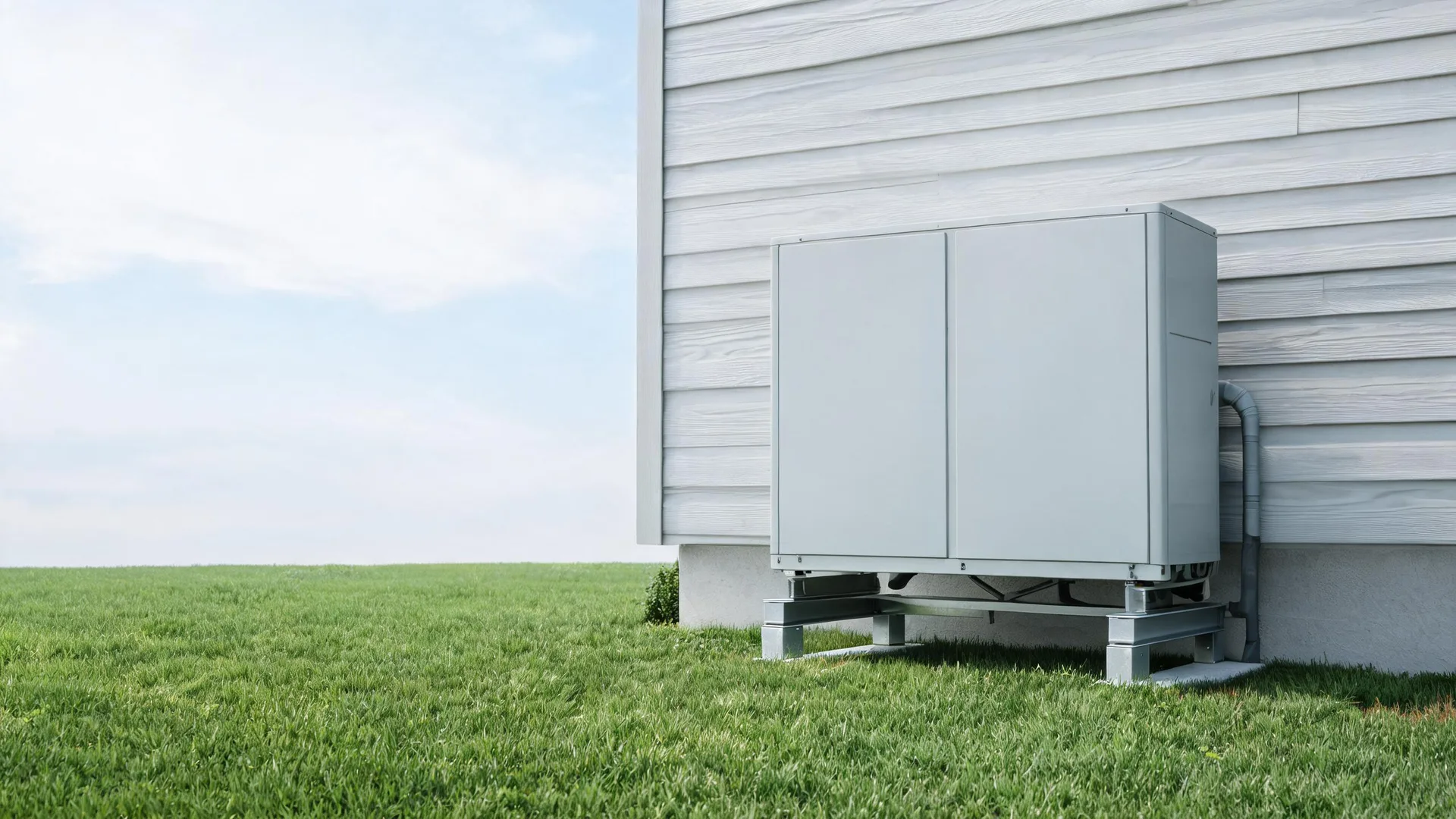
Monroe County logged 111 severe weather events between 2015 and 2024, including damaging wind, hail and tornadoes. Your outdoor unit sits through all of it, exposed to flying debris and hail.

Takes about a minute. No obligation.
Monroe County logged 111 severe weather events between 2015 and 2024, including damaging wind, hail and tornadoes. Your outdoor unit sits through all of it, exposed to flying debris and hail.
A heat pump needs electricity to run, for heat and for hot water if it comes from the same system. Statewide, 30% of Mississippi households went at least a full day without power in 2024.
A heat pump in Amory runs every month of the year, for heat and for cooling both.
One yearly visit catches wear before a storm knocks the power out and leaves no room for a weak part to fail.



Have the outdoor unit checked before storm season builds, not after. A tech can clear leaves and grass clippings from the cabinet, check that the fins aren't bent from hail, and make sure the coil is getting airflow through it. Loose panels or a cracked line get found now instead of during the next round of wind. None of that prevents an outage, but a unit that's clean and sound going in has one less thing wrong with it when the power comes back on.
Storm season beats up outdoor units here. Have it checked for damage and debris before you need it.
Find a contractorA heat pump doesn't shut off between seasons. It switches direction and keeps going, so the wear never really stops either. A tune-up puts hands on things a homeowner never sees from the yard. The reversing valve gets checked to make sure it's actually switching clean, not sticking halfway. Refrigerant charge gets checked too low charge makes the system run longer to do the same job, and that extra run time wears the compressor. The contactor gets looked at for pitting, since that's a part that arcs a little every time the unit cycles on. None of this shows up as a strange noise or a warm room yet. It shows up later, as a compressor working harder than it should, or a unit that short-cycles on the next cold morning.
When the filter clogs, the blower has to pull harder to move the same air. That drop in airflow carries straight back to the indoor coil, which needs steady airflow across it to do its job in either direction. Less airflow means the coil can ice over in heating mode. In cooling mode it stops pulling moisture out of the air the way it should. The fix is simple, but a filter nobody checks doesn't fix itself.
The indoor coil sheds condensation constantly when the system runs. That water drains out through a single condensate line. Algae and dust build up inside that line over time and narrow it until water backs up instead of draining out. Most systems have a float switch that shuts the unit off when that happens. A clogged drain does not just risk water damage. It can stop the heat pump from running at all until someone clears it.
A homeowner can keep an eye on a few things between visits. Check the filter once a month and swap it when it looks gray or matted, more often if there's a pet shedding in the house. Keep the area around the outdoor unit clear, cut back any grass or bushes crowding the cabinet, and rake away leaves that pile up against the sides. After a storm, take a look at the unit for bent fins or debris caught inside before running it again. Walk past the indoor vents now and then to make sure nothing is blocking them, since blocked airflow at the vent works the system just as hard as a dirty filter does. None of this replaces a yearly check, but it keeps the system from working harder than it has to in between.
A proper tune-up isn't just a filter swap and a glance at the thermostat. The tech checks refrigerant pressure against what the system calls for, since a heat pump low on charge will run long cycles and still underperform in both directions. Electrical connections get tightened, because a loose connection at the contactor or at the board runs hotter than it should and shortens the life of whatever's downstream of it. The condensate line gets checked for flow, not just looked at. Outside, the fan motor gets tested under load, not just spun by hand, since a motor can turn freely and still be too weak to move the air it's rated for. Capacitor readings get checked against spec too, because a capacitor that's drifted out of range will let the compressor or fan motor struggle to start even when nothing looks wrong from outside the cabinet.