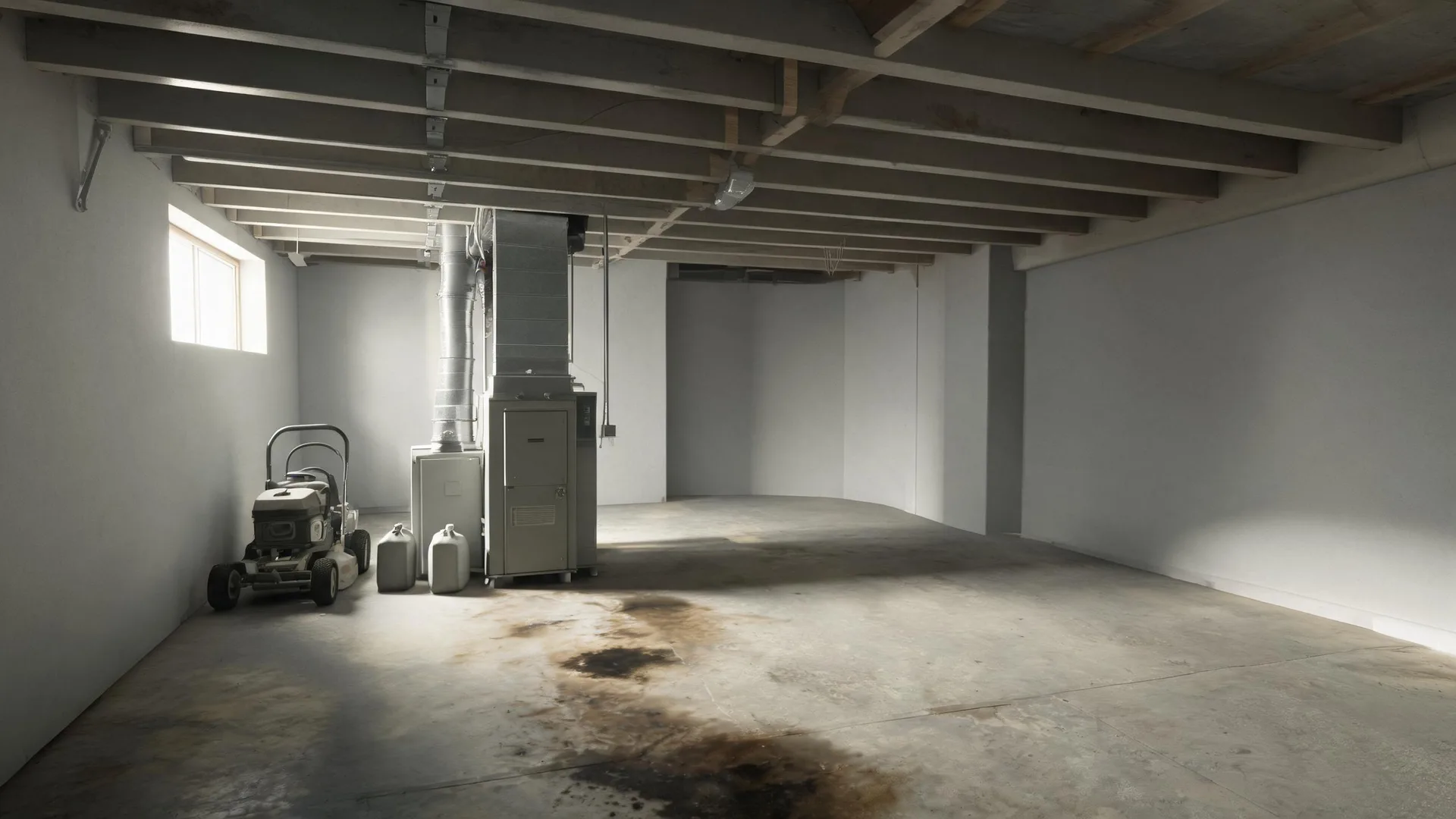
Almost every home here runs on electric heat
Electricity heats 87.8% of homes in Pearl River County. Gas furnaces are rare, with utility gas at 5.8% and propane at 4.1% combined.
Takes about a minute. No obligation.
Electricity heats 87.8% of homes in Pearl River County. Gas furnaces are rare, with utility gas at 5.8% and propane at 4.1% combined.
If your old system was electric, swapping in another electric furnace means no new gas line or propane tank to deal with. The wiring and ductwork already fit what a new unit needs.
NOAA nClimDiv, 1991–2020 normals
Furnaces in Picayune turn on in November and run through March.
October is the month to put in a new one, before the cold asks anything of it.




Electricity in Mississippi runs $39.26 per million Btu, cheaper than most of the country. That changes the math on a furnace. A high-efficiency model costs more up front and takes longer to earn that back when power is this cheap. Picking the unit that fits your ductwork and runs reliably counts for more here than chasing the highest rating on the sticker.
Replace it before the season starts, so it happens on your schedule, not in a hurry.
Find a contractor
The efficiency rating on a furnace tells you how much of the energy going in comes out as heat you actually get. On an electric furnace that number sits in a narrow range no matter who makes it, because electric heat doesn't lose much to a flue or exhaust the way gas does. Almost all the electricity going into the heat strips becomes heat in your ducts. That's different from a gas furnace, where the rating spreads out and chasing a higher one can mean real savings over the years. With electric, the sticker matters less than whether the blower is set to move the right amount of air across those heat strips. A furnace running the correct airflow for its size will heat evenly and hold up over time. One that's wired in but moving too little or too much air will cost you more in wear and comfort than any rating on the label would suggest.
Before anything new goes in, the installer shuts off power to the old furnace and pulls it loose from the ductwork and the wiring. If it ran on gas or propane, that line gets capped off too. None of the new work starts until the old unit is fully disconnected and out of the way.
A furnace is sheet metal, a blower motor, and electrical parts, and none of that belongs in the regular trash. A contractor doing the install takes the old unit when they leave. You shouldn't be left figuring out how to get a heavy steel cabinet out of your house on your own.
When you're comparing quotes, ask what size furnace each contractor is proposing, and ask how they got that number. It should come from a load calculation on your home, not a guess based on square footage or a match to the old unit. Installers can quote the same brand and the same efficiency rating and still hand you a different job if only one of them sized it right. Ask what happens to your ductwork, too. A furnace that pushes more or less air than your ducts were built for will run louder, wear faster, or leave some rooms short. Ask about the warranty on labor, separate from the warranty on parts, since a failed part under warranty still costs you if the labor to replace it isn't covered. The cheapest quote and the best quote are answering different questions.
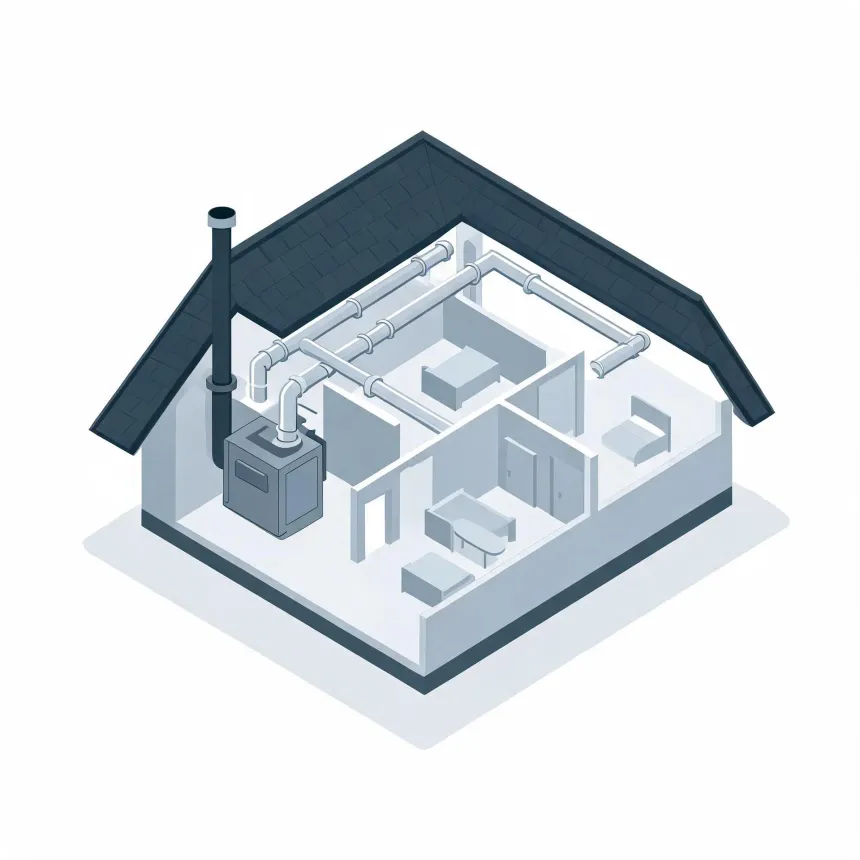
Installing a new furnace starts with matching the unit to the breaker and wiring already in place, since an electric furnace draws a specific amperage and the panel has to support it. The installer sets the cabinet, connects the ductwork to the plenum, and runs the wiring from the disconnect box. Once it's wired in, they'll check the airflow across the heat strips and set the blower speed to match your ducts, not just the furnace's rating. The last step is running the system through a full cycle, checking the temperature rise, and confirming the thermostat is reading and controlling it correctly. None of this takes special scheduling around the weather. Electric furnaces don't need a gas line pressure-tested or a flue inspected, so the job is usually done in a day.