




Low-angle view along a red brick wall with flowering pink shrubs at its base, a mown lawn extending to a distant single-story house and tall pine trees under an overcast sky.

Furnace Installation in Sumrall, MS

Tell us about the job

Takes about a minute. No obligation.

New system or replacementFurnace or heatingLamar County, MS
Step 1 of 2

What ZIP code is the job in?

The size of the furnace matters more than any other factor. One that's too big for the house will short cycle, turning on and off before it ever heats evenly, and that wears out parts faster than steady use would. One that's too small runs constantly and still can't keep up on the coldest days. Getting the size right means a contractor has to calculate heat loss for the actual house, not just match the old unit. Ductwork plays into the cost too. If the existing ducts are the right size and in good shape, the new furnace can usually connect to them. If they're undersized, leaky, or routed poorly, that work adds to the job before the furnace itself is even running. Venting matters as well, since a furnace needs a proper path for exhaust, and how that's routed depends on where the unit sits and what kind of furnace it is.

5 months
November through March, your furnace is on duty
40°F
the average winter night it heats against
80% AFUE
the federal minimum any new unit must meet
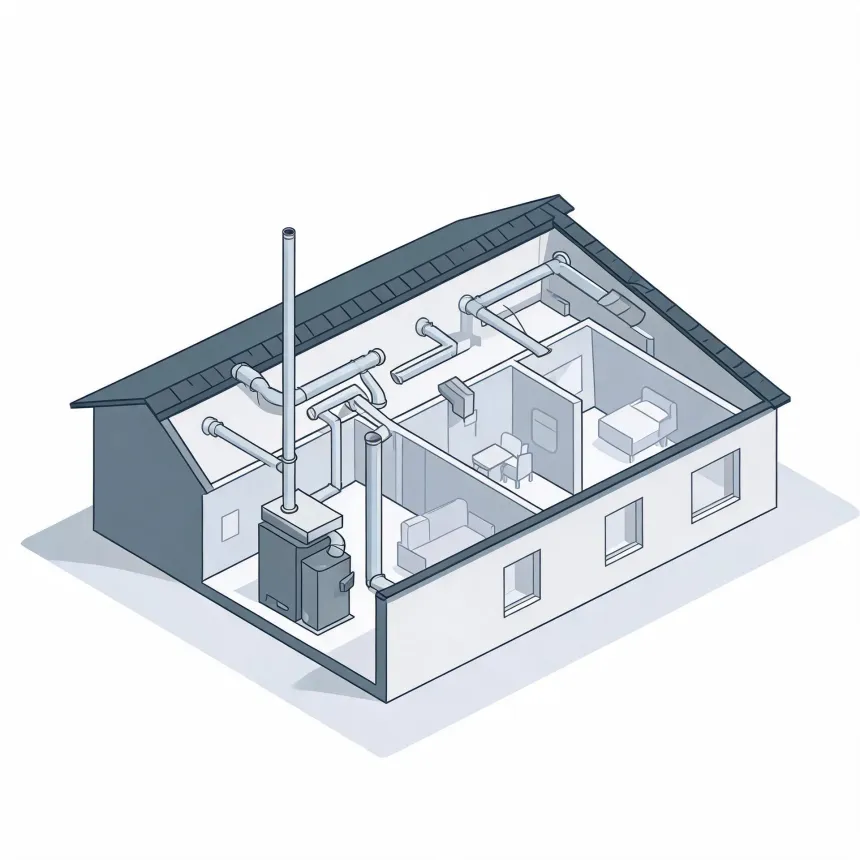
Isometric line illustration of a single-story house cutaway showing interior rooms with furniture, ductwork or piping running along the ceiling, and a boxy furnace unit with a tall vertical flue pipe.
Your furnace works hardest from November through February.

NOAA nClimDiv, 1991–2020 normals

Electricity runs $39.26 per million Btu in Mississippi, cheaper than most of the country.

A high-efficiency furnace costs more up front and takes longer to pay back here, so pick for fit and reliability first.

Five months of mild winters means this furnace won't work hard

Heat runs November through March
Winter nights average 40°F
Climate zone 3A
A county built on electric heat81.5% of homes in Lamar County heat with electricity.

Lamar County falls in climate zone 3A under the 2021 energy code. Any non-weatherized gas furnace installed here has to meet at least 80.0 percent AFUE, the federal minimum that applies regardless of how mild the winters run. That minimum is set to climb to 95.0 percent, but only for furnaces manufactured after the current standard's cutoff date, so a unit bought now can still legally come in at the lower rating. Nothing about zone 3A pushes a contractor toward a higher-efficiency model than the minimum requires. With a short, mild winter here, paying more to clear the future standard early comes down to what the homeowner wants from the equipment, not what the code demands now.

Get the furnace in before November, not after

Heat starts running here in November and stays on through March. Putting a new furnace in during October means it's tested and working before the first cold night, not diagnosed in the middle of one.

Find a contractor
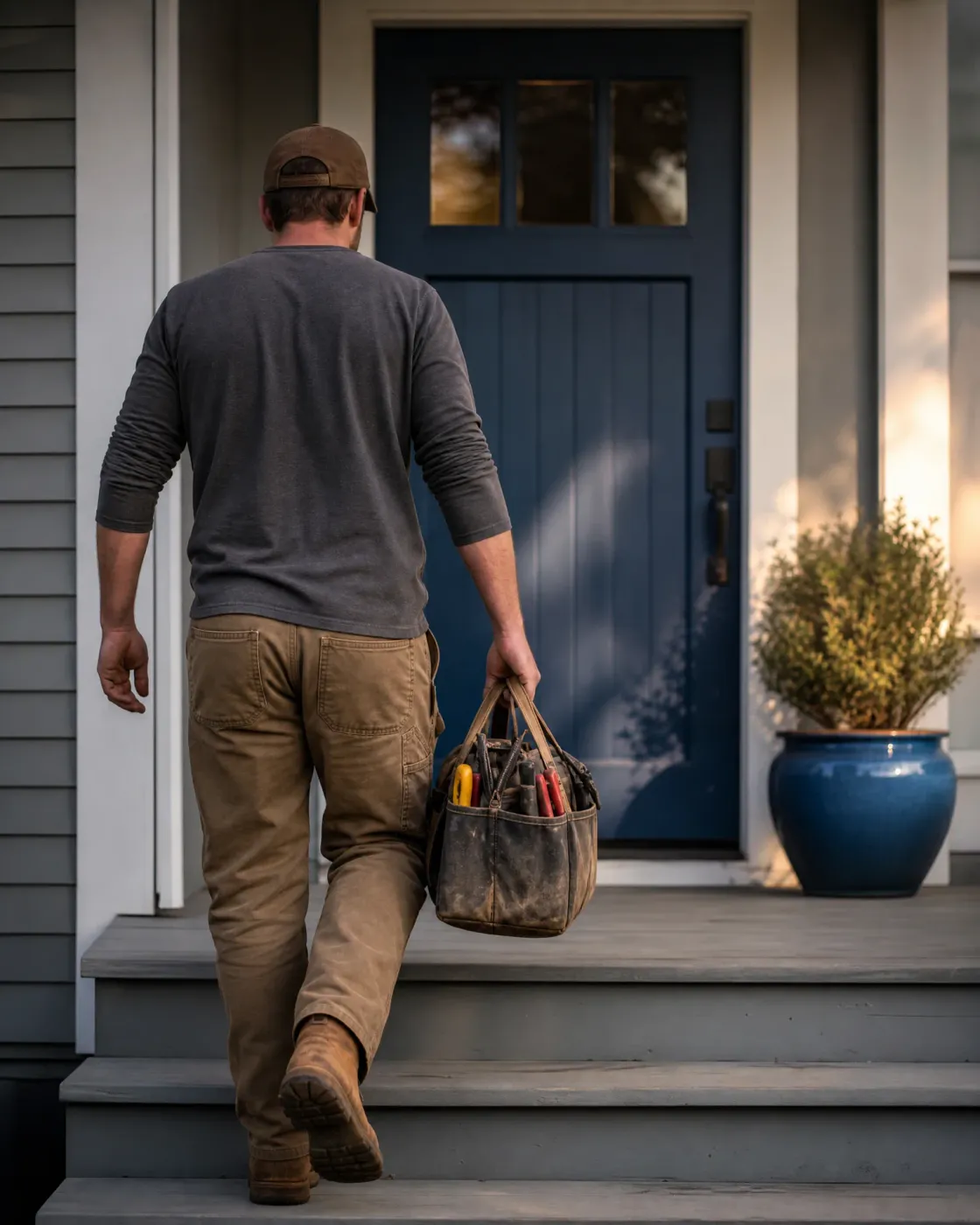
A man in a cap, gray long-sleeve shirt and tan work pants carries a canvas tool bag up gray porch steps toward a dark blue front door, with a blue ceramic planter and shrub beside it.
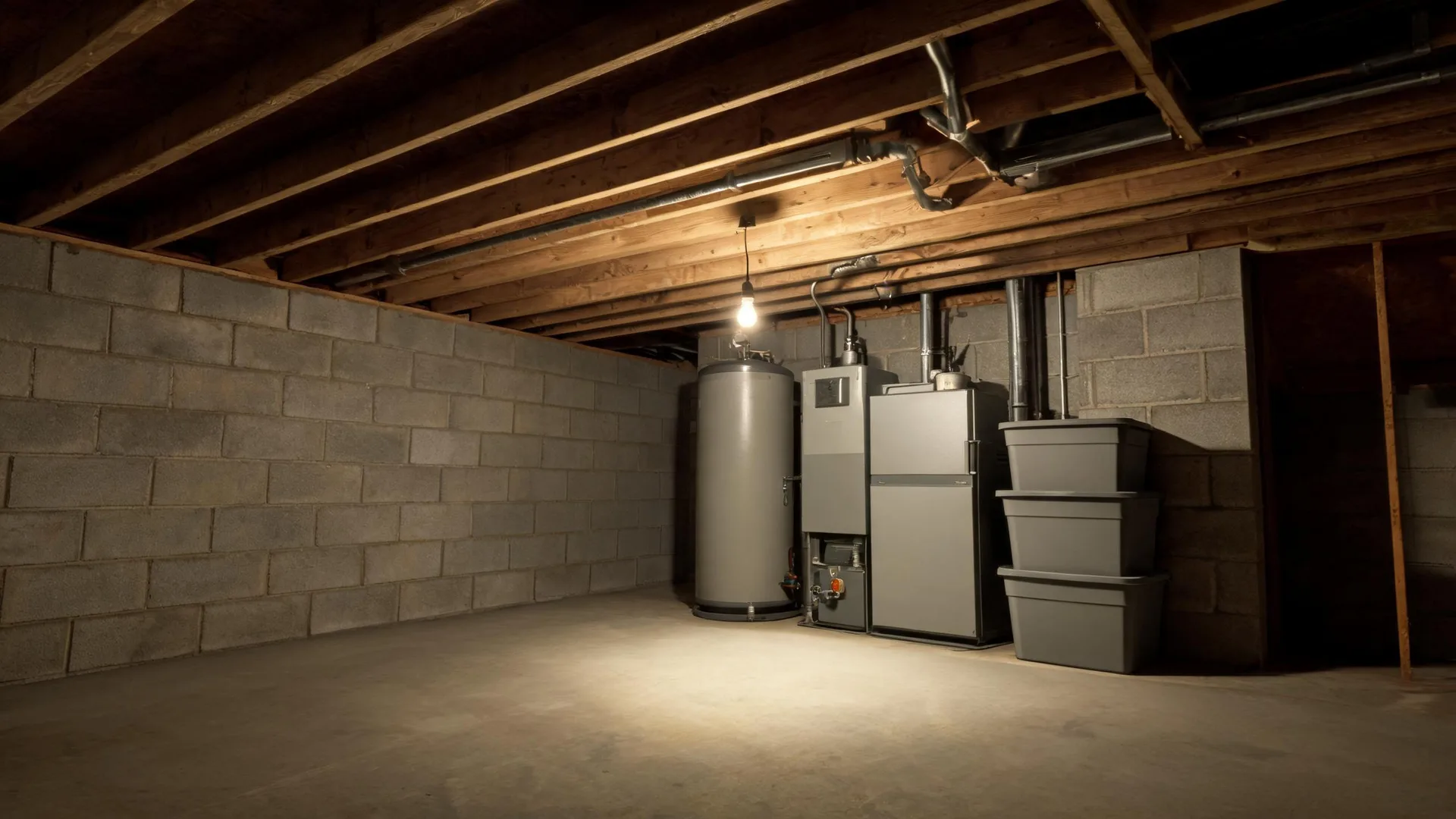
A gray high-efficiency gas furnace installed in an unfinished basement, surrounded by gas lines, a condensate drain, and sheet-metal ductwork.

Five months a year, and mild nights at that

Heat only has to run five months here, November through March, and the overnight low averages 40 even at the coldest point in winter. That's not a hard furnace to size right. A mid-efficiency unit that's correctly matched to the house will keep up without trouble, so there's little reason to pay more for a higher AFUE rating than the job calls for. Put the money into getting the size and installation right instead.

The math behind the number

A heat loss calculation looks at the walls, windows, ceiling and floor area of the house, room by room, and figures out how much heat escapes on the coldest night. That's what sets the size, not square footage alone and not whatever the old furnace happened to be. Houses built to the same footprint can call for different sized furnaces depending on window count, insulation and how many exterior walls each room has.
What a contractor does with that number

Once heat loss is worked out, the contractor matches it to a furnace output rated close to that figure, not comfortably above it. Oversizing feels like it can't hurt, but a furnace that outsizes the house will satisfy the thermostat fast and shut off before it's pulled a full cycle of air through the ducts, leaving rooms far from the unit cold while the one near the thermostat reads fine.

Ask what AFUE rating the quote is actually built around, not just the number on the brochure. Ask whether the price includes a heat loss calculation or whether it's based on matching the old furnace's size. Ask what happens to the existing ductwork, whether it was inspected or just assumed to be fine. Ask about the warranty on the heat exchanger specifically, since that's the part that's expensive to replace and the one most likely to be covered differently than the rest of the unit. Ask how the furnace is vented and whether that changes where it can sit. Contractors pricing the same brand can land far apart once you see what each one is actually accounting for.

Install day starts with the old furnace coming out, and that alone can take a couple hours if it's set into a tight closet or attic space. Before the new one goes in, the contractor should check the gas line, the vent path and the electrical connection rather than just bolting the new unit where the old one sat. The furnace gets set, connected to the ducts, and wired in. Then comes the part that matters most. The contractor checks the gas pressure, confirms the vent draws properly, and runs the system through a full cycle to see that it heats and shuts off the way it should. A combustion analyzer should come out at some point to check that the furnace is burning clean, not just that it turns on. Expect some noise and some time with the heat off while all this happens. A furnace that's installed right gets tested on the spot, not left for the homeowner to find problems with on the first cold night.