
Running quiet
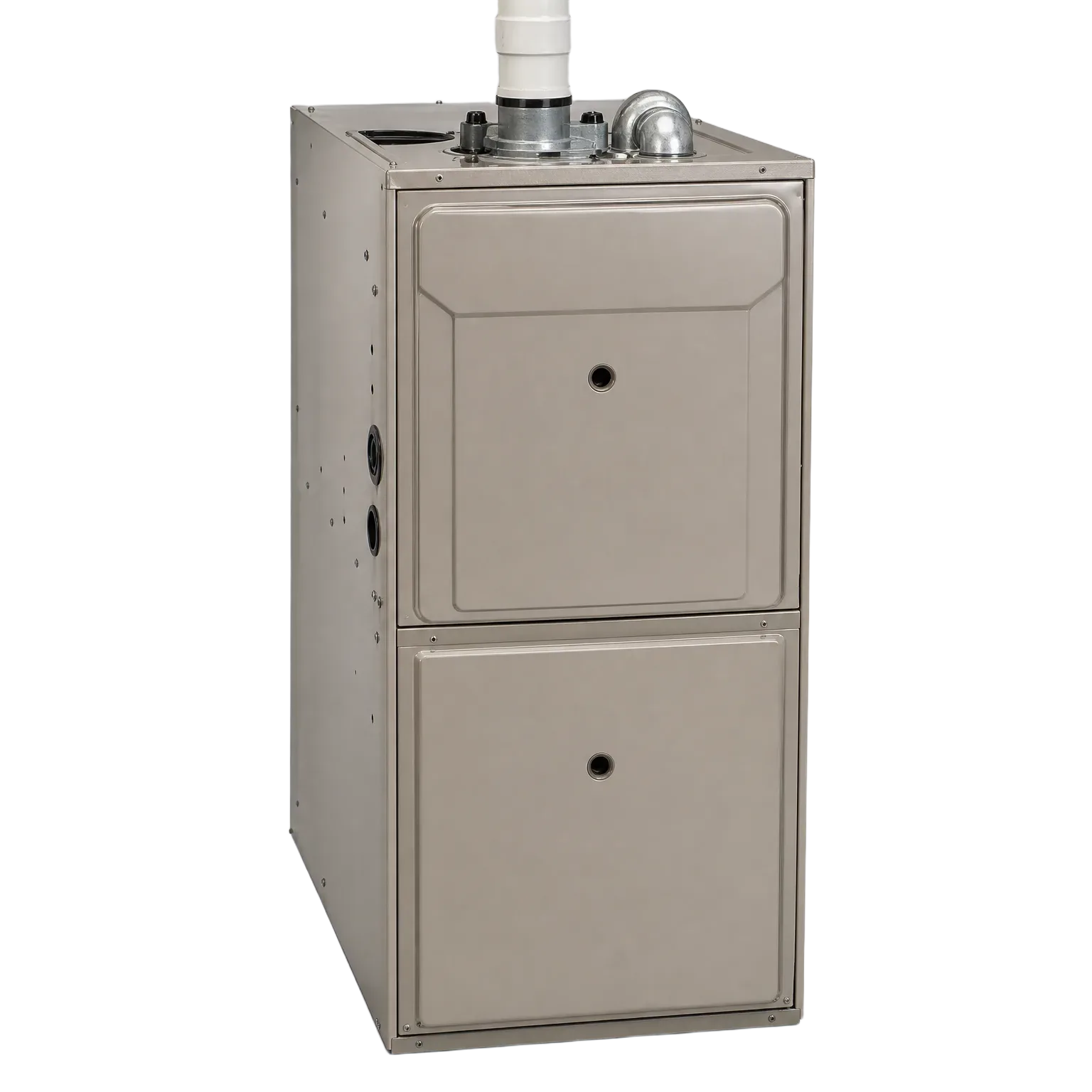
A furnace that's heating right should hum along low and steady. No banging when it starts, no squeal as the blower spins up. Air moves through the plenum and out the ducts without a fight.
Send the request today and let a furnace pro reach out to you.
Send it todayA loud noise from your furnace usually points to one of a few things. A boom at startup often means gas is building up before it lights, which can mean a dirty burner or a bad igniter. A squeal or grinding sound usually comes from the blower motor or its bearings wearing out. Rattling can be a loose panel, but it can also be the blower wheel itself coming loose. Banging in the ductwork as the system cycles is often just metal expanding, and that one is usually harmless. Since most homes in Lamar County heat with electricity, you may be hearing an electric furnace's blower or heating elements rather than a gas burner, so the noise points to different parts depending on which you have. None of these are things to wait out. A furnace that bangs or grinds is telling you a part is failing, and ignoring it tends to turn a small repair into a bigger one.

A furnace that's heating right should hum along low and steady. No banging when it starts, no squeal as the blower spins up. Air moves through the plenum and out the ducts without a fight.

Loud noises come from an older furnace more often than a new one. Years of cycling wear on the burner, the blower wheel, the bearings. If yours sits next to the water heater with the same ductwork it had when it was installed, that noise is worth a look.
Winter nights average 40°F
Nights here average 40°F all winter, so your furnace isn't just kicking on for a quick burst, it's running long stretches to hold the house warm.
Heat runs November through March
Heat runs November through March here. That's five months for a loud noise to turn into a bigger repair if it's left alone.
81.5% of homes heat with electricity
81.5% of homes in Lamar County heat with electricity, so for most people here that noise points to the blower motor or ductwork, not a gas burner.
NOAA nClimDiv 1991-2020 · ACS 2020-2024
A gas burner that's caked with dust or rust doesn't burn clean. The flame spreads out instead of forming a tight blue cone, and that uneven flame is what causes the delay before ignition that leads to a boom. Each time that happens, it stresses the heat exchanger a little more. Most homes in Lamar County run on electric heat, but if your furnace runs on gas, that burner needs to stay clean for the ignition to happen on schedule, every time, without a buildup of fuel first.
Heat here runs long stretches through the night, not short bursts, since temperatures settle into the 40s for months. That means the blower motor and its bearings turn for hours at a stretch, far more than a furnace in a milder climate would ask of them. A worn bearing starts quiet, then turns into a squeal, then a grind as metal wears on metal. The longer that motor runs under strain, the faster the wear moves from one stage to the next.


A furnace that bangs or squeals on every startup is doing that same strain hundreds of times a season here. Left alone, it tends to get worse, not better.
Skip calling around Lamar County and explaining the noise twice. Send one form and the search for a contractor is off your plate.
You're probably hearing it most at night, when the house is quiet and the furnace kicks on to hold the heat through a 40°F night. A bang on startup rattles the ductwork overhead. A squeal carries down the hall and gets louder as the blower ramps up. Some nights it's a grinding sound that stops you mid-conversation. None of that fixes itself. A burner that booms is burning dirtier each time it lights, and a motor that squeals is wearing down toward a point where it quits running. If it quits on a cold night, you're not just without heat, you're troubleshooting it at 2 a.m. instead of on your own schedule.

It's past two now. The house is quiet except for the vents, which aren't making their usual sound. You're awake anyway, standing in the hallway upstairs, and the floor under your feet has gone cold. Outside it's close to freezing, the kind of January night Lamar County gets more of than people expect, and the window at the end of the hall has frost creeping in from the corners. No hum from below. No warm air pushing up through the vents. Just the blue dark and the cold floor, and whatever noise the furnace made before it quit is still the last thing you heard.
Skip calling shops to ask who repairs furnaces in Lamar County.
Asking costs nothing, and the choice to hire stays yours.
Ignore it for now
A furnace that bangs or squeals doesn't fix itself. The noise is the strain showing through, and letting it run this way through the rest of winter is how a repair turns into a replacement.


Each noise points to a different part, and where it falls in the startup tells you which one. A bang right when the burner should light means gas sat in the chamber a moment too long before catching. That delay usually traces back to the igniter. It still glows, but not hot enough, so the gas pools for a second before it finally lights. A squeal that shows up only at the start of the cycle is the blower motor's bearing, wearing down with every startup. Once the blower is up to speed, a grinding sound is different. That's the wheel itself, worked loose on its mount after years of spinning. If the clanking matches the blower's rhythm, something loose is striking the wheel on every turn, not just rattling nearby. And if the boom happens once and the furnace runs fine after, the burner lit, just a beat later than it should have. None of these fix themselves. The delay or the looseness behind them tends to get worse with every cycle, not better.




The banging or squealing keeps happening, usually at night when it's loudest. You can turn the thermostat down so the furnace cycles less, or close the door to whatever room is under the noisiest duct run. Neither one stops the noise, it just happens less often. Meanwhile the strain that's causing it, a weak igniter, a loose blower wheel, whatever it is, doesn't go away on its own. Most winters here run November through March, and a furnace making this noise in November is still making it, worse, come February.
A technician opens the furnace up, finds the part that's actually failing, and fixes that part. The bang or the squeal stops because the cause of it is gone, not because you've found a way to hear it less. It takes someone who knows what a clean flame looks like, how a blower wheel should sit, what a cracked igniter sounds like when it's struggling to catch. Once it's done, the furnace goes back to running the way it did before the noise ever started.
At 40°F, your furnace isn't cycling on for a few minutes and shutting back off. It's running long enough to hold that temperature through the night, and every one of those long runs puts the same strain on a cracked igniter or a loose blower wheel. That's why a noise that started small keeps showing up.
NOAA nClimDiv 1991-2020
The noise has a source. A bang at startup, a squeal, a grinding sound: each one points to the burner, the igniter or the blower, not to something you can wait out. Nights here sit around 40°F for most of the winter, so your furnace runs long stretches to hold the house warm, and every one of those stretches puts the same strain on whatever part is already struggling. That's the part worth sitting with. A furnace running right is quiet. Yours isn't, and that difference is the whole answer to what you searched for.
What's left is the part that isn't about the furnace at all. Finding someone licensed to look at it means calling around Lamar County, explaining the noise to each one, waiting on callbacks, and then sorting through whatever quotes come back. That's its own evening of work, on top of the one you've already spent listening to the furnace do this. Sending the form here means that part stops being yours to do. You're not diagnosing the igniter yourself and you're not pricing the repair sight unseen. You're done hunting for who to call, and the rest, the actual fix, goes to someone qualified to do it.
The noise isn't going to work itself out. It didn't start on its own and it won't quiet down on its own either, not through a night at 40°F and not through the months still ahead of that one.

Let someone else find the pro