






Furnace smells like burning in Sumrall, MS

One request and the search for a pro is handled.

Send my request

Why does my furnace smell like it's burning?

You turned the furnace on for the first time this winter and caught a sharp, burning smell coming through the vents. It's enough to make you want to shut the whole thing off and figure out what's going on before you trust it to run through the night.

A dust burn-off smell is normal; a lasting burning smell usually means something's wrong

Dust settles on the heat exchanger and in the ductwork when the furnace sits idle. The first time it fires up, that dust burns off and puts a faint smell through the house for a few minutes. That part is normal. If the smell keeps going past the first cycle, or it smells sharp like hot metal or plastic, something inside is overheating. It could be a motor bearing wearing out, a crack in the heat exchanger, or wiring that's breaking down. Since most homes in Lamar County heat with electricity, a strong electrical or burning plastic smell often points to a failing blower motor or a bad connection rather than a gas problem. Either way, a furnace that keeps smelling like burning after the first few minutes needs a look before you run it again.

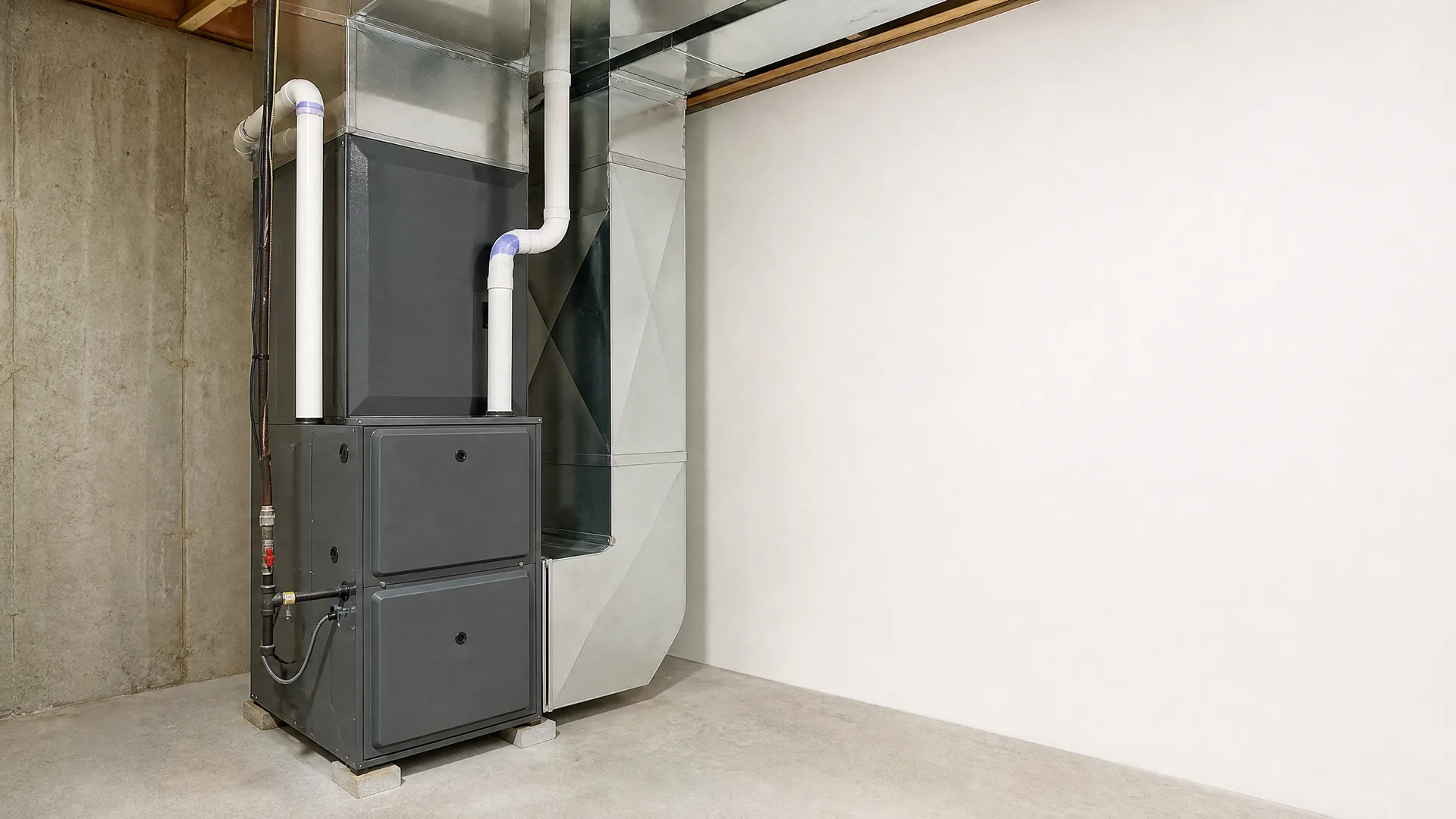
A dark gray high-efficiency furnace with white PVC vent pipes stands against a concrete basement wall, connected to sheet-metal ductwork running along the ceiling joists.

Dust burning off the heat exchanger

Most homes in Lamar County heat with electricity, and an electric furnace still has heating elements that sit unused for months at a time. Dust settles on them over spring and summer. When you switch the furnace on in the fall, that dust burns off the elements and the smell travels through the ductwork into every room. It usually clears up within an hour or so of the furnace running. If the smell is still there after that, something else is going on.

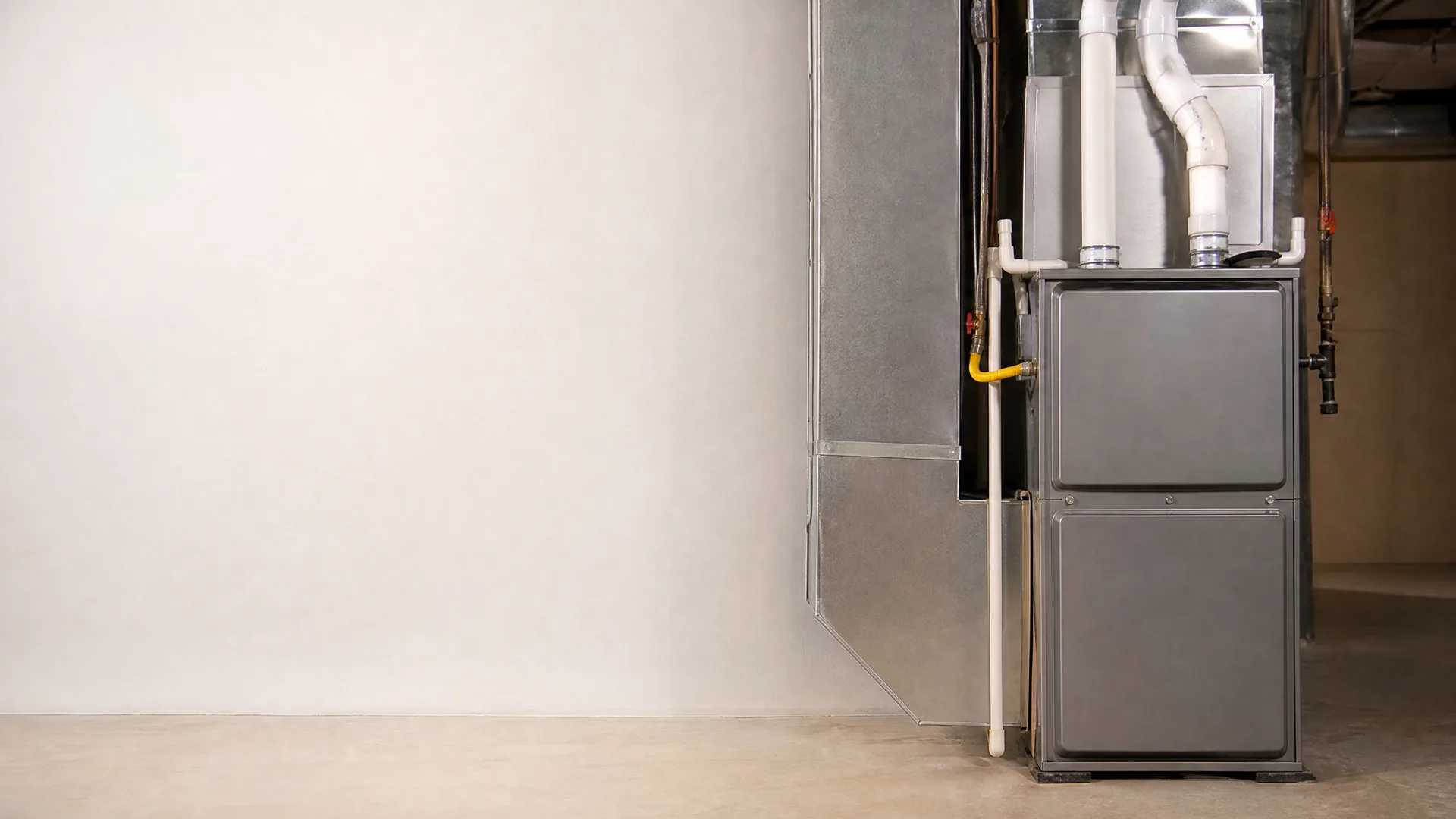
A gray high-efficiency furnace with white PVC vent pipes, a yellow gas line and metal ductwork stands against a plain light wall in a basement with a concrete floor.

When the smell means something else

A burning smell that doesn't fade, or one that smells like hot plastic or metal rather than dust, points to a different problem. Electric furnaces draw a lot of current through their heating elements, wiring and relays, and a loose connection or a failing part can overheat and give off that sharper smell. This isn't something to wait out. A local contractor who works on these systems every season can tell quickly whether it's a wiring issue, a bad relay, or a part that's starting to fail.

Dust Burn-Off or Something Wrong

Dust burning off

  • The smell shows up the first time you run the furnace after months of it sitting idle.
  • It fades within an hour or two once the dust on the heating elements has burned away.
  • You won't smell it again until next winter, when dust has had time to settle again.
  • Running the furnace on a low setting with the windows cracked speeds up the burn-off.
  • No breakers trip and the furnace keeps running the whole time this happens.

Something else burning

  • The smell doesn't fade after an hour of the furnace running and instead gets stronger.
  • A burning plastic or electrical smell points to a wire, motor, or circuit board overheating.
  • The furnace shuts off on its own partway through a cycle instead of running normally.
  • You notice the smell again on a day you haven't run the furnace in weeks.
  • A breaker trips, or you see scorch marks or smoke near the furnace cabinet.
  • A contractor who works on furnaces in Lamar County every winter can tell the two apart in one visit.
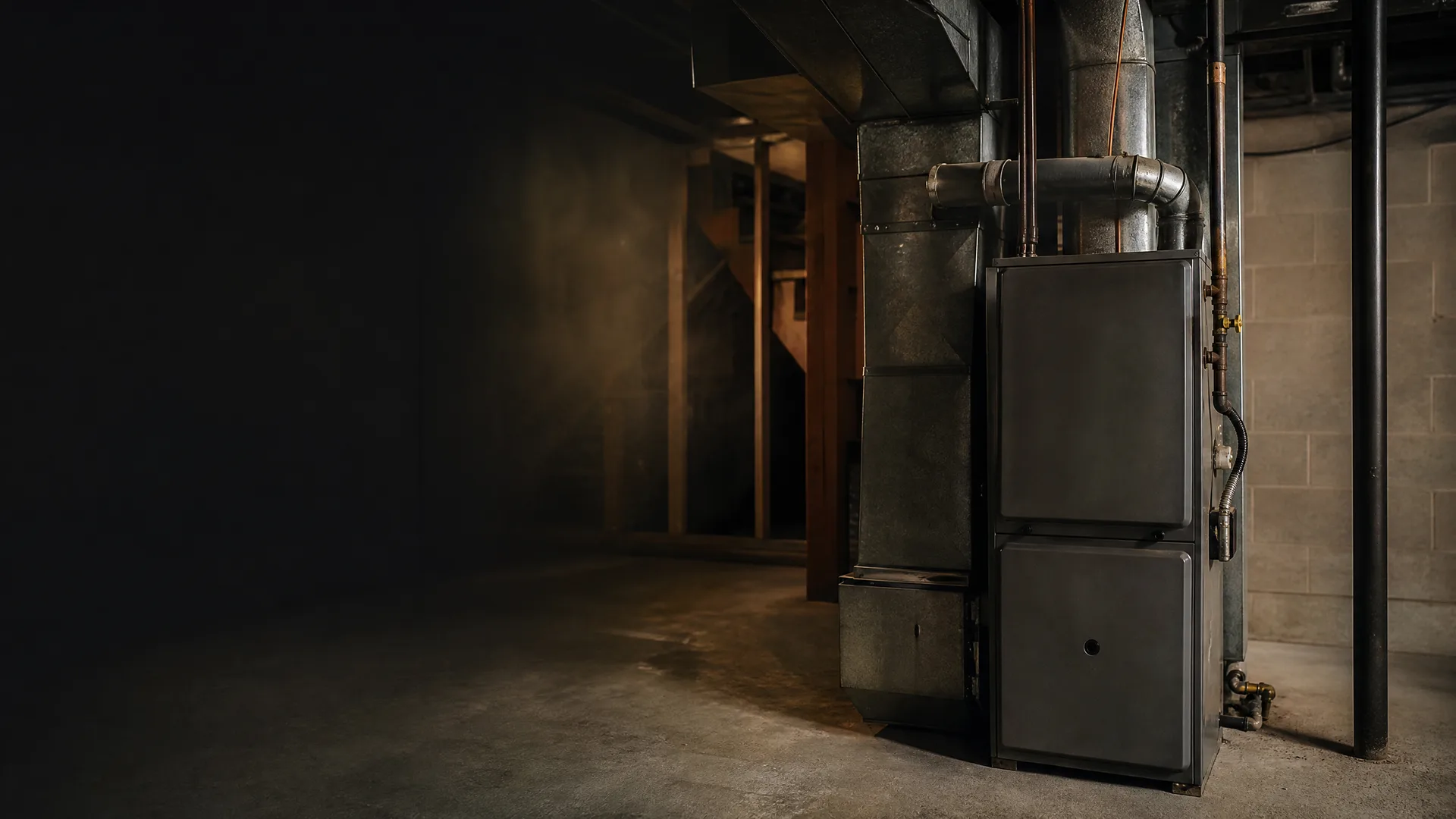
A furnace with sheet-metal ductwork and copper piping stands against a concrete block wall in a dim basement with a bare concrete floor.

The basement is cold, the kind of cold that settles in once the sun's been down a while. It's November, and you've just bumped the thermostat for the first time since spring. The furnace clicks on and sits there a moment before you catch it, a sharp, dusty burning smell drifting up near the cabinet. A thin haze hangs in the air by the vents, barely enough to see unless the light catches it right. You stand near it, not sure yet if this is nothing or something, listening to the blower run while the smell works its way through the house.

Hand off the search today

A dust smell that clears in an hour is nothing to act on. A smell that lingers, or one that's sharp and chemical instead of dusty, is your furnace telling you something is wrong inside it, and that's not something to wait out. An electric furnace that's overheating a wire or burning insulation off a connection won't fix itself by running longer. It gets worse the longer it runs. Someone who works on these systems every winter in Lamar County can tell you fast which one you've got, because they've seen both walk through a door smelling the same and come from completely different causes. You don't need to know which it is before you ask. You just need someone who can look at your furnace and tell you, before you run it again tonight and find out the hard way.

If the smell fades on its own

A dust smell that shows up once and clears within an hour or two means the furnace is doing what it's supposed to do. The elements got hot, the dust on them burned off, and now they're clean. You don't need to turn the furnace off, and you don't need to call anyone. Run it the way you normally would. If you want to speed it along, a window cracked for a few minutes clears the smell out of the house faster, but it isn't necessary. The only thing worth doing is remembering roughly when it happened, so if a burning smell turns up again in January or February, you know it isn't the same thing.

If it comes back or won't fade

A burning smell that returns weeks after the furnace has been running fine, or one that doesn't fade after a couple of hours, isn't dust anymore. Dust only burns off once per season, the first time the elements heat up. If the smell is back, something inside the furnace is overheating, a wire with worn insulation, a connection that's loosened, an element that's failing. A sharp or chemical smell instead of a dusty one points the same direction, and so does a smell paired with the furnace cycling oddly or tripping a breaker. That's a furnace a licensed technician needs to look at, not one to keep running on the chance it clears up.

A smiling bearded man in a dark blue henley shirt sits leaning back on a light grey sofa in a living room, with a bowl of popcorn on a wooden coffee table and a large window behind him.
A bearded man in a dark quarter-zip sweater sits smiling on a brown sofa in a dimly lit living room, with a bowl of popcorn and a mug on a table in the foreground and a potted plant near a window behind him.
A smiling man with graying dark hair and a beard, wearing an olive sweater, sits on a sofa in a living room beside a bowl of popcorn on a wooden table.
A smiling man in a dark green henley shirt sits on a gray sofa in a living room with a lit table lamp, wooden shelving unit, and a bowl of popcorn in the foreground.

An electric furnace doesn't fire all its heating elements at once. A sequencer or control board brings them on one at a time, a few seconds apart, so the system isn't pulling all its amperage in one shot. That staging is normal and it's quiet, you'd never notice it from the living room. What you do notice is when something in that chain fails. A coil's insulation can break down and let it short against its housing, and that gives off a hot, acrid smell that has nothing to do with dust. The blower motor has its own bearings, and if they're running low on lubrication, the motor overheats and the smell carries that same hot metal edge. Behind the access panel, wiring ties into every stage of the element bank, and a connection that's worked loose heats up under load, enough to scorch the insulation around it. None of this clears on its own. A dust burn-off stops once the dust is gone. A bad element, a dying motor, or a loose wire stays damaged after the furnace shuts off, and it'll be waiting the next time it kicks on.

Inside the furnace, stage by stage

  • An electric furnace heats air by running it across metal heating elements wired in stages, not all of them firing at once.
  • A sequencer or control board brings the elements on one at a time, a few seconds apart, so the system doesn't pull all its amperage in one burst.
  • If one element shorts against its housing or the insulation around its coil breaks down, that's where a hot, acrid smell comes from, not the dust layer.
  • A blower motor running low on lubrication can overheat its bearings, and that smell carries a hot metal or electrical edge instead of a dusty one.
  • Wiring behind the access panel connects to every stage, and a loose connection there heats up under load and can scorch the insulation around it.
  • None of these failures clear on their own the way a dust burn-off does, because the part causing the smell stays damaged after the furnace shuts off.
A gray high-efficiency furnace stands on a concrete basement floor beside sheet-metal ductwork, with white PVC vent pipes and a black flexible line running up to exposed wood floor joists, next to a wood-framed post against a concrete wall.
A furnace running clean pulls air through its ductwork and vents without a trace of odor once the startup dust has burned away.
A beige metal furnace with a louvered front panel stands on a concrete floor against a concrete wall, connected to galvanized sheet-metal ductwork and a metal pipe.
This one's different: black iron gas lines and an older build like this are worth a second look if any smell sticks around past an hour.

How cold do Lamar County winters actually get on your system?

  • Winter nights average 40°F

    Winter nights here average 40°F. That's cold enough for the heating elements to run in stages most of the night, not just kick on and off once.

  • Heat runs November through March

    Heat runs November through March in Lamar County. Those are the months a burning smell is most likely to show up, since that's when the elements see the most use.

  • 81.5% of homes heat with electricity

    81.5% of homes in Lamar County heat with electricity. If a burning smell lingers past the first startup, it's the elements or wiring behind it, not a gas line.

NOAA nClimDiv 1991-2020 · ACS 2020-2024

A gray high-efficiency furnace in a basement with PVC vent pipes, sheet-metal ductwork, copper and insulated pipes, a water heater at left, and an unfinished wood-stud wall at right.

Running clean

This is what a furnace looks like when nothing is wrong. The PVC flue pipe and sheet-metal ductwork carry exhaust and air exactly where they should, with no scorched wiring or cracked housing in sight. A furnace in this shape shouldn't put off any smell once it's been running a few minutes.


An older beige furnace with louvered front panels stands on a concrete basement floor beside galvanized ductwork, metal and plastic pipes, exposed wood framing, and a cylindrical water heater at right.

Worth a closer look

Galvanized ductwork and an older cabinet like this one have had more years to collect rust, loose wiring, or a heating element that's starting to go. If a burning smell sticks around past the first few minutes on a furnace this age, it's worth having someone check it before you run it again.

A woman in a cream knit sweater reclines on a beige couch with eyes closed and a slight smile, a gray hardcover book resting open on a textured blanket over her lap, with a lit table lamp and a leafy plant in the dim background.
A smiling middle-aged man in a dark green sweater sits at a candlelit table with a glass of red wine and a bowl of salad in the foreground.

Winter nights average 40°F

At 40°F, your furnace isn't just cycling on for a quick boost in the morning. It's holding steady through the night, so a burning smell that lingers has hours to show itself rather than fading between short bursts of heat.

NOAA nClimDiv 1991-2020

A burning smell that clears in an hour is dust. One that lingers, or one that smells sharp and chemical, means something inside the furnace needs a look before you run it again. Either way, you now know which one you've got, and that's the answer that matters tonight. If it's time to get it looked at, a licensed contractor in Lamar County who works on electric furnaces all winter, not just in theory, will know what usually goes wrong in a system that sits idle half the year and then runs hard through nights at 40°F. You'll be matched with one contractor, not a handful of companies competing for the job, so you're not stuck fielding calls all evening trying to sort out who to trust with it. That's one less thing to manage on top of a furnace that isn't smelling right.

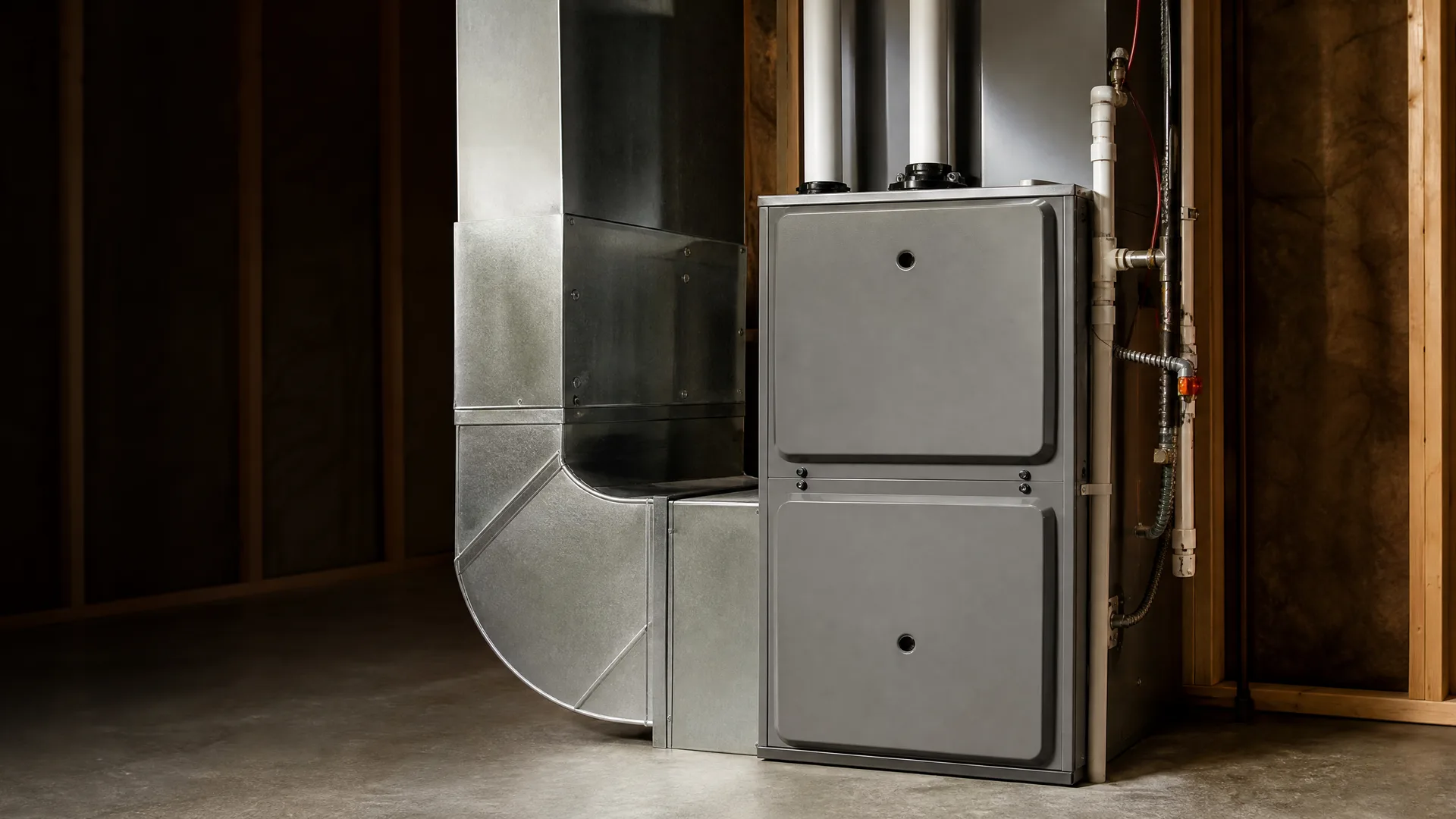
A gray high-efficiency furnace with two white PVC vent pipes stands in an unfinished basement beside galvanized sheet-metal ductwork, with insulated wood-framed walls and piping behind it.

Stop chasing a furnace pro

RepairFurnace or heatingLamar County, MS
Step 1 of 2

What ZIP code is the job in?