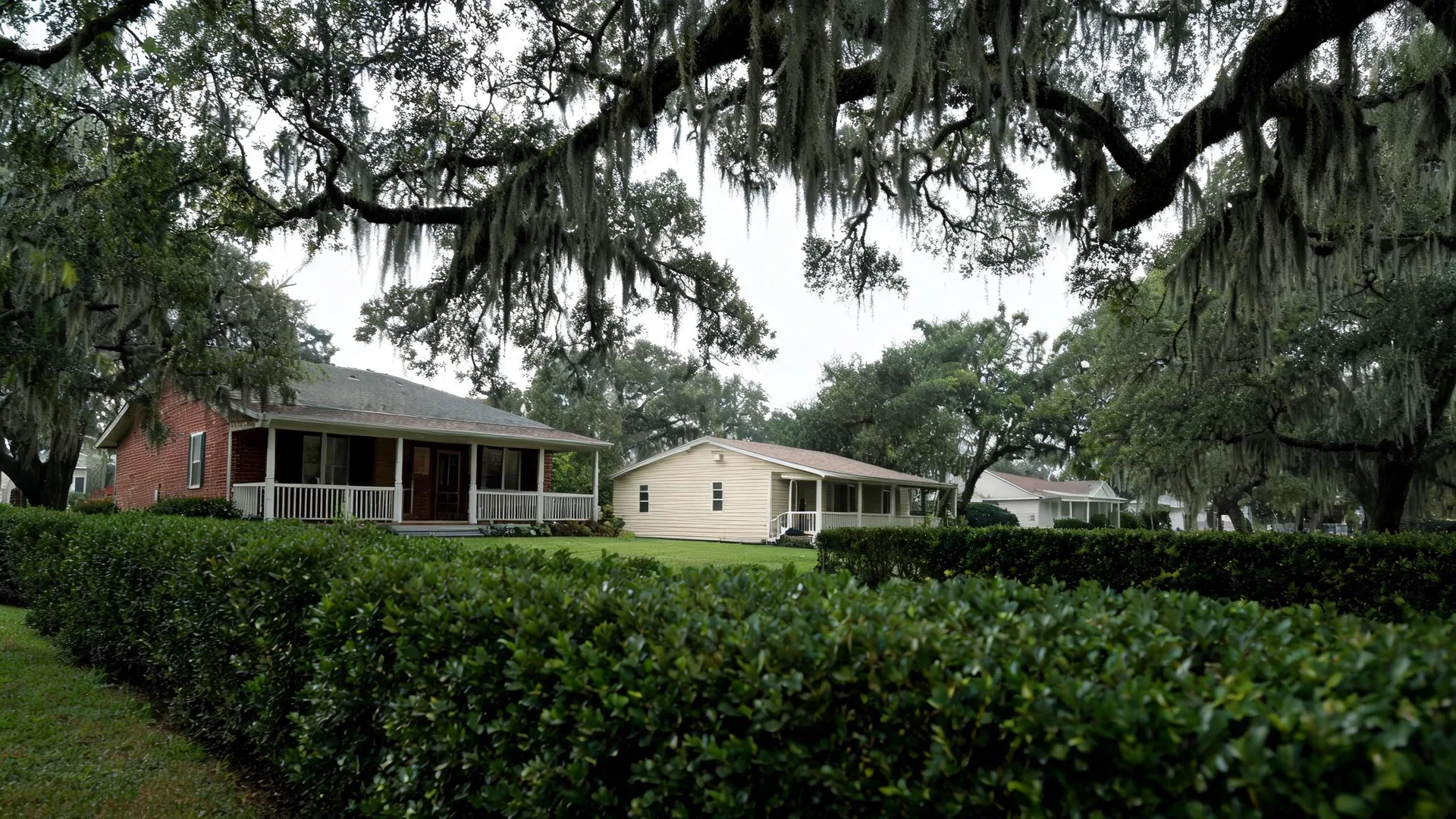





A brick house with a white porch and a light-colored single-story house behind a trimmed hedge, framed by large oak branches draped with Spanish moss.

Furnace Installation in McComb, MS

Tell us about the job

Takes about a minute. No obligation.

New system or replacementFurnace or heatingPike County, MS
Step 1 of 2

What ZIP code is the job in?

Most homes in Pike County heat with electricity, at 70.6 percent. Utility gas is a distant second at 21.0 percent, with bottled or LP gas making up most of the rest. If your house already has an electric furnace or heat pump, replacing it with the same setup is usually the straightforward path, since the wiring and ductwork are already built for it. Switching fuels for a furnace installation means bringing in a gas line where none exists, which is a bigger job than swapping one furnace for another.

5 months
November through March, your furnace is on duty
40°F
the average winter night it heats against
80% AFUE
the federal minimum any new unit must meet
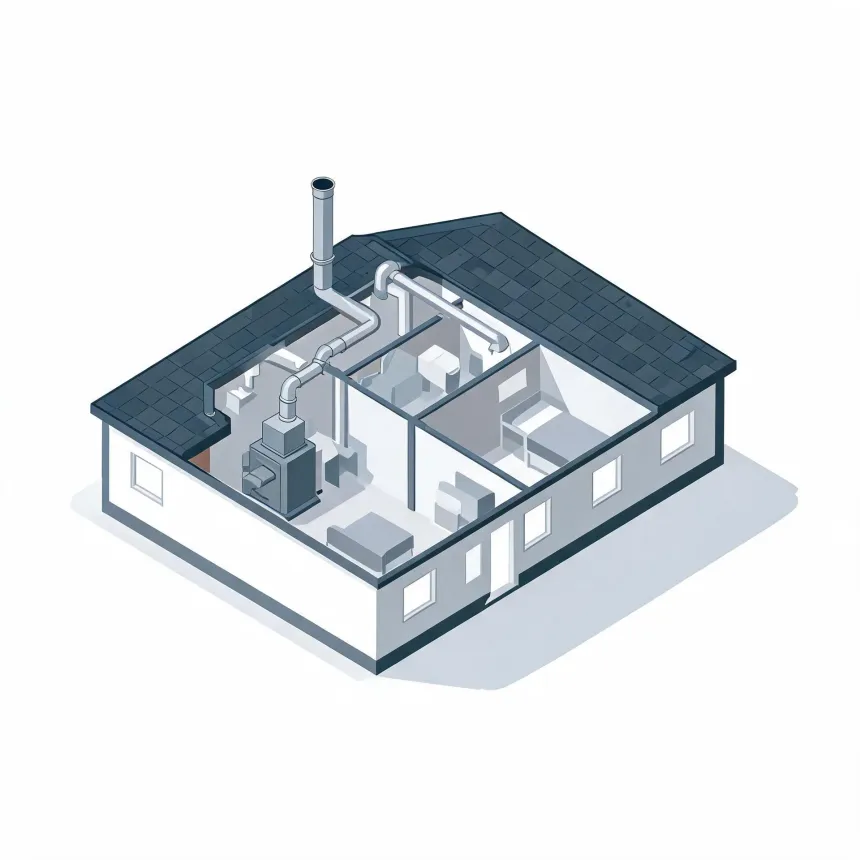
Isometric cutaway illustration of a single-story house with a dark shingled roof, showing interior rooms with furniture and a furnace connected to ductwork and a flue pipe extending above the roof.
Your furnace works hardest from November through February.

NOAA nClimDiv, 1991–2020 normals

Electricity in Mississippi runs $39.26 per million Btu, cheaper than most states.

A high-efficiency furnace saves less here, so pick yours for how long it lasts.

Pike County weather is worth planning for. The furnace itself doesn't need to be special.

51 severe weather events from 2015 to 2024
30% of homes statewide lost power a day or more in 2024
34 damaging wind events from 2015 to 2024

So weigh an electric furnace on what it's built from and what backs it up, not the efficiency number on the sticker. Ask how long the heat exchanger is warrantied for and whether the contractor installing it is the one who'll service it later on. A cheaper unit that needs a service call every other winter costs more than the one that doesn't, no matter what each one costs to run. If you're replacing a furnace that lasted a long time, ask what that model did right before you trade it for something rated a few points higher on paper.

A furnace here just needs to be reliable

Five months of heat a year, and overnight lows averaging 40 degrees, is a light load for a furnace to carry. Pick one that's built well and backed by a contractor who'll stand behind it. You don't need to pay for efficiency this system won't get much chance to use.

Find a contractor
A man in a cap, navy T-shirt and brown work pants walks up concrete steps toward a blue front door, carrying a worn canvas tool bag with a hammer inside, beside a potted shrub in a blue planter.
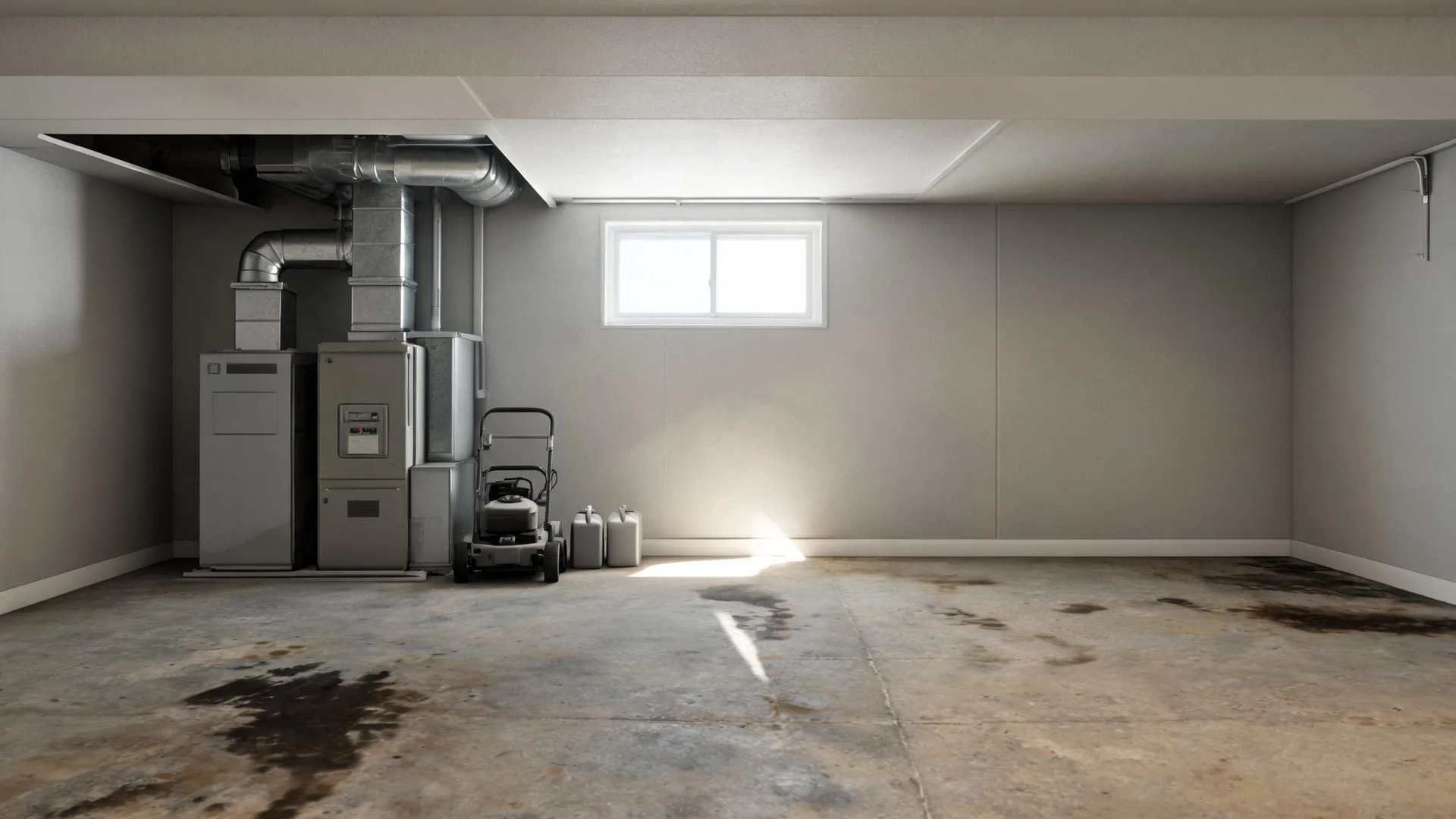
A gray residential gas furnace installed in an unfinished basement, connected to sheet-metal ductwork and PVC pipes.

A normal season for a normal furnace

Half the homes in Pike County were built in 1984 or earlier, half in 1984 or later. Age alone doesn't say what's behind your walls, so check what your own house has rather than guess from the year. Either way, a standard furnace sized right for this house holds up fine running five months a year. The clip above shows what that actually asks of it, day into night, and it isn't much.

What the rating actually measures

The efficiency rating on a furnace tells you how much of the fuel it burns turns into heat for the house, versus how much goes out the flue. It says nothing about how long the unit lasts, how well it's built, or how often it will need a service call. Furnaces carrying the same rating can differ completely in the parts behind the panel.
Why the gap matters less than the sticker

A higher rated furnace loses less heat up the flue each time it runs. Whether that gap is worth paying for depends on how often the furnace actually fires, not on the number printed on it. A furnace that only kicks on during the coldest stretches has far fewer hours to make back any difference than one running most of the day.

Sizing a furnace is not about going bigger to be safe. An oversized furnace heats the house fast, shuts off, and starts again a few minutes later, and that short cycling wears on the ignition system and the blower motor faster than steady use would. It also leaves rooms uneven, warm near the vents and cold everywhere else, because the air never runs long enough to mix through the house. An undersized furnace has the opposite problem, running long stretches without catching up on the coldest nights. The right size comes from a heat loss calculation on the house itself, the walls, the windows, the insulation, the square footage, not a guess based on what the old unit was or what size the house next door has. A contractor who sizes it this way before quoting the job is doing it the right way.

Installation day starts before anyone touches the old furnace. The contractor shuts off gas or power to the existing unit, disconnects the ductwork and venting, and gets it out of the house. That takes longer than people expect, especially if the old unit was built into a tight closet or crawlspace. Once it's out, the new furnace goes in, the ducts get sealed back to it, and the venting gets run to match what that furnace needs, which isn't always identical to what was there before. Gas lines get pressure tested, electrical connections get checked, and the system gets fired up and run through its paces before anyone calls it done. A good installer checks airflow at the vents and walks the thermostat through a full cycle, not just a quick on and off.