Heat pump vs furnace in Pike County, Mississippi

Get a Quote

Installers who work in Pike County

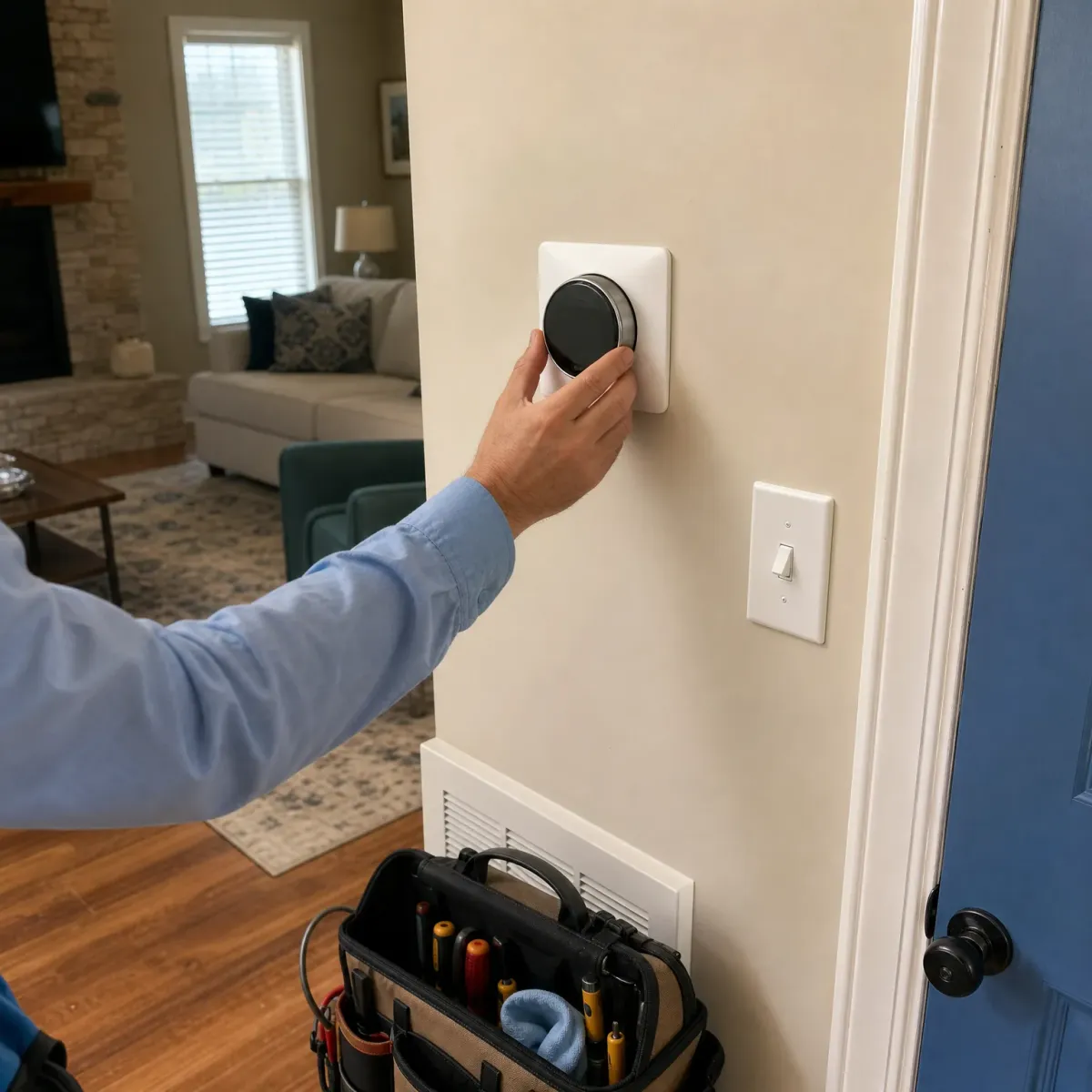
A person in a light blue shirt reaches up to adjust a round black wall thermostat beside a light switch, with an open tool bag on the floor and a living room with sofa and fireplace in the background.

Tell us about the job

Takes about a minute. No obligation.

New system or replacementPike County, MS
Step 1 of 3

What kind of equipment?

Which costs less to run in Pike County?

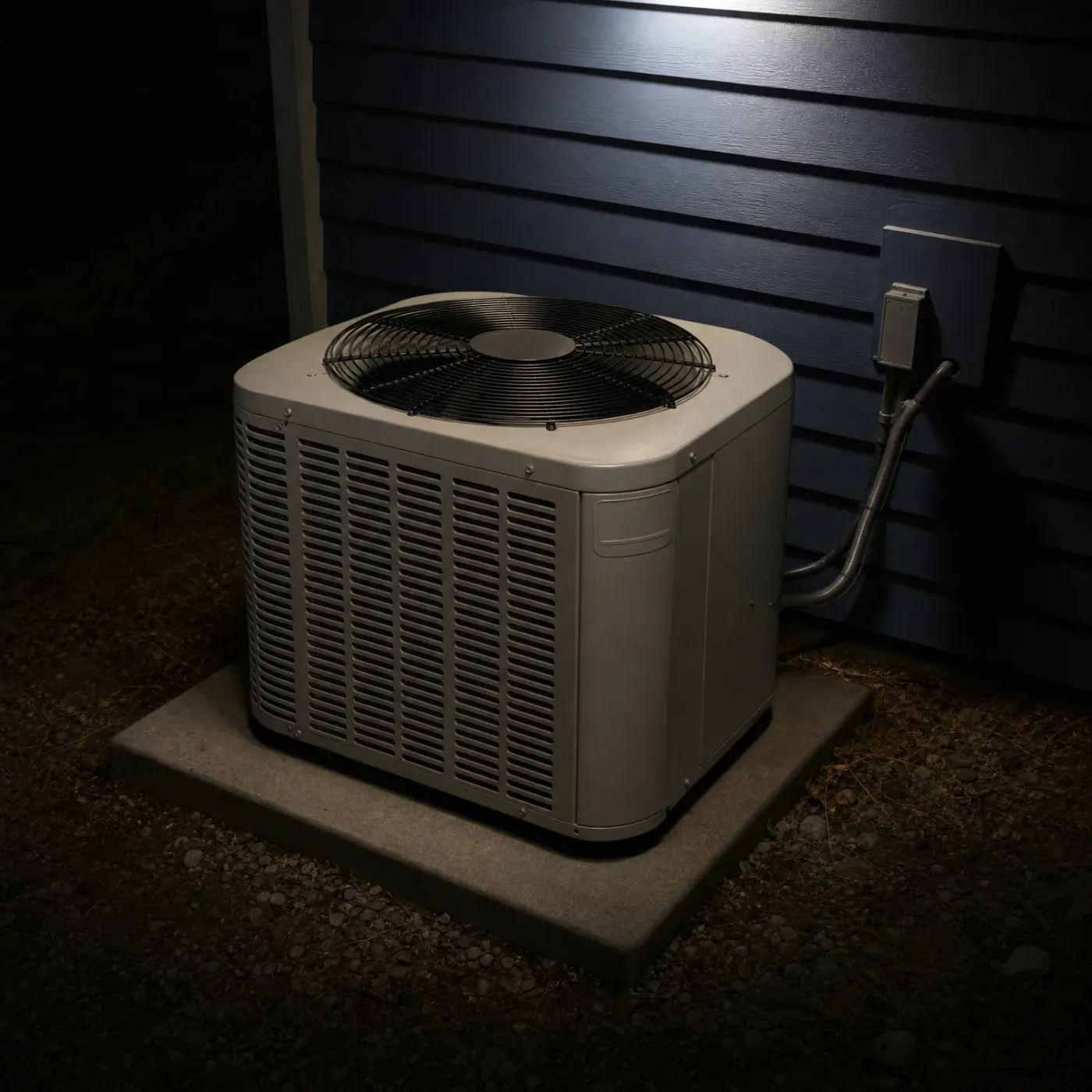
An outdoor air conditioner condenser unit on a concrete pad beside a dark horizontal-lap sided house at night, with an electrical disconnect box and conduit on the wall.

Heat pump

To heat your home here$1.79per 100,000 Btu

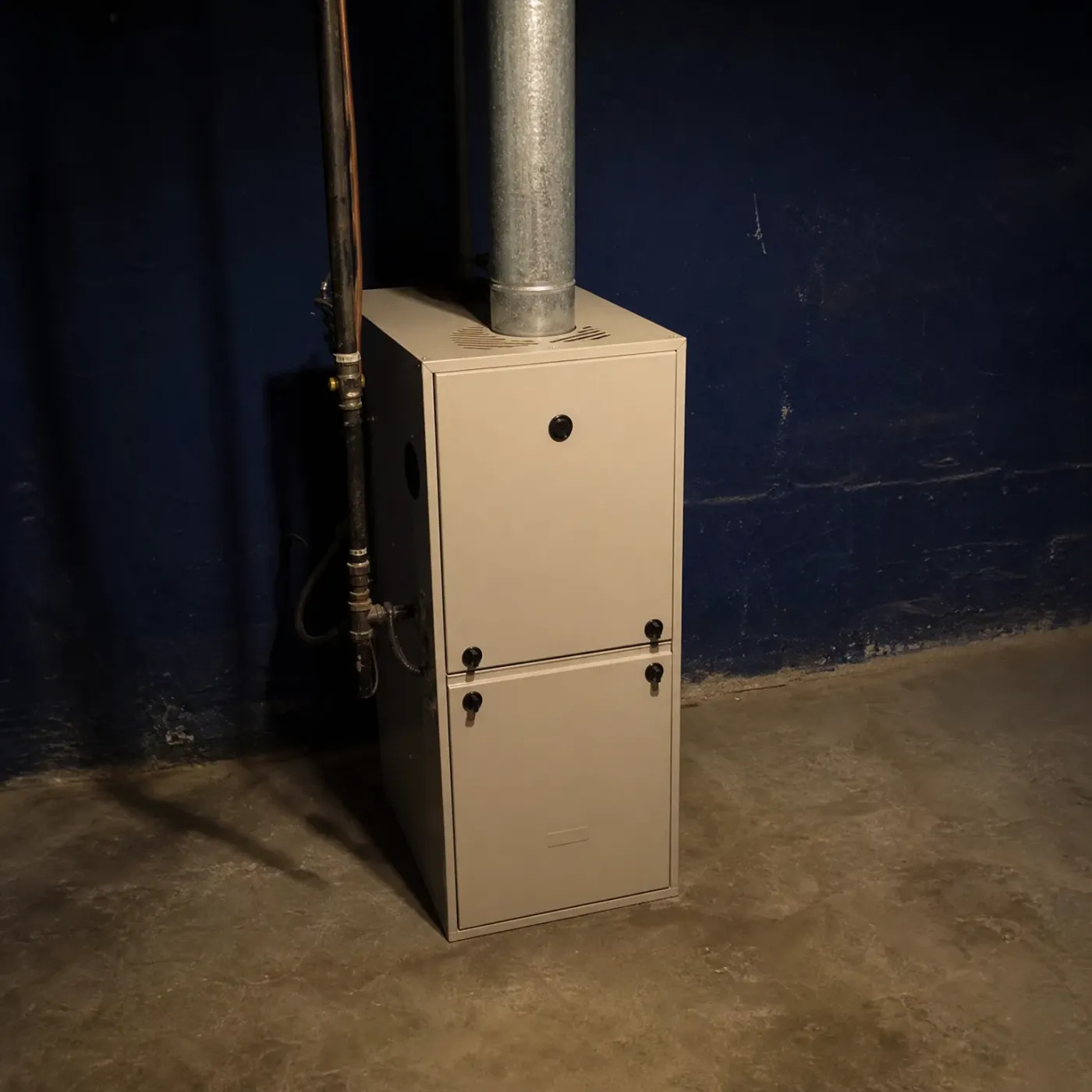
A beige furnace with a metal flue pipe stands against a dark blue painted basement wall on a concrete floor, with pipes running up the wall beside it.

Furnace

To heat your home here$1.88per 100,000 Btu

At Mississippi's gas and electricity prices, a heat pump and a gas furnace cost about the same to run here.

Btu stands for British thermal unit, the standard measure of heat energy.

Where does a heat pump shine?

  • Made for mild winters

    Winter nights here average 40°F, mild enough that a heat pump can pull heat from the outside air without much strain. It won't be fighting deep cold most of the season, just working steadily to keep up.

    A covered white porch on a navy clapboard house with a light blue front door, a white rocking chair draped with a blue blanket, a pair of brown boots by the door, and dried hydrangeas and shrubs with patches of snow on the ground.
  • Covers a long cooling season

    Cooling runs May through October here, six months of the year. A heat pump earns its keep through all that time, since it's doing the same job as an air conditioner whenever your house needs cooling.

    A covered wooden porch with a ceiling fan, hanging fern, potted plants, a wooden dining table and chairs on a blue patterned rug, and a glass of iced tea on a dark slatted side table beside a cushioned sofa.
  • No gas line, nothing burning in the house

    A heat pump runs on electricity alone. Nothing burns inside the house.

    A kitchen with navy blue cabinets, a white marble-look island with a black induction cooktop and stainless steel kettle, a stainless refrigerator, a farmhouse sink under a window with a blue roman shade, and potted greenery with a blue mug on a wooden board.

Where does a furnace shine?

  • Proven, simple, easy to get serviced

    Gas furnaces have heated homes for generations. Almost every HVAC tech knows them inside and out.

    A gloved hand holds a square pleated air filter in a basement with metal shelving, storage bins, ductwork and a furnace in the background.
  • Fast, strong heat on demand

    A furnace pushes out hot air within minutes of switching on. A cold house warms up fast.

    An entryway with a wooden door and sheer curtain over its window, a floor vent emitting visible steam, snow-covered boots and a hanging coat at left, and a wooden bench with a dark blue mug and knit throw at right over a jute rug on stone flooring.
  • Pairs with any central AC

    The ductwork that delivers heat in winter delivers cool air in summer once an AC coil is added.

    A dark metal floor vent set in hardwood flooring near a window with a billowing sheer white curtain, beside a blue wall, wooden cabinet with a potted plant, woven basket, and a patterned rug.

Pike County winters don't ask much of a heating system

Winter here is short and mild, and that's what decides this. Heat runs about five months, November through March, and the overnight low averages 40°F across December, January and February. A heat pump does its best work in that range. It only struggles once the outside air gets cold enough that it can't pull much heat from it, and this county rarely sees that kind of cold. Nights at or below freezing number about 35 a year, under a quarter of the roughly 150 nights in the five months the heat runs. Most mornings the heat comes on, a heat pump is working well within what it's built for.

Cooling is the longer season here, six months against five, and that changes how to weigh the two machines. A furnace only heats. It has nothing to do the other seven months of the year, including the stretch where afternoons hit 90°F or above on about 80 days a year. A heat pump covers both jobs with one system. That matters more in a county built around a six month cooling season than it would somewhere winter is the main event.
A covered front porch with white columns and railing, a black wooden porch swing with patterned pillows, hanging ferns, a dark navy front door, and wide painted steps leading to a brick walkway.

What it costs to run, and what's already in your house

On cost, there's barely a gap to weigh. A gas furnace runs $1.88 per 100,000 Btu here against $1.79 for a heat pump, both at Mississippi's average fuel prices. That's close enough that it shouldn't be what decides this for you. What should is what's already run to your house. Electricity heats 70.6% of homes in Pike County, a little over two in three. Utility gas heats 21%, about one in five. If your home has a gas line and a furnace already, a furnace is the simpler, cheaper path: proven, easy to get serviced, and it pairs with whatever central AC you already run. If it doesn't, running a new gas line to install one is a cost the furnace's running price doesn't include.

If you're starting from nothing, or replacing an electric system, a heat pump fits this county's weather well. It's built for winters like this one, it covers your long cooling season in the same unit, and there's nothing burning inside the house. The case for a furnace here mostly comes down to one thing: you already have the gas line and want to keep using it.

Sources: NOAA nClimDiv · NOAA 1991–2020 seasonal normals · Census ACS 2020–2024 · EIA SEDS 2024 · 10 CFR 430.32

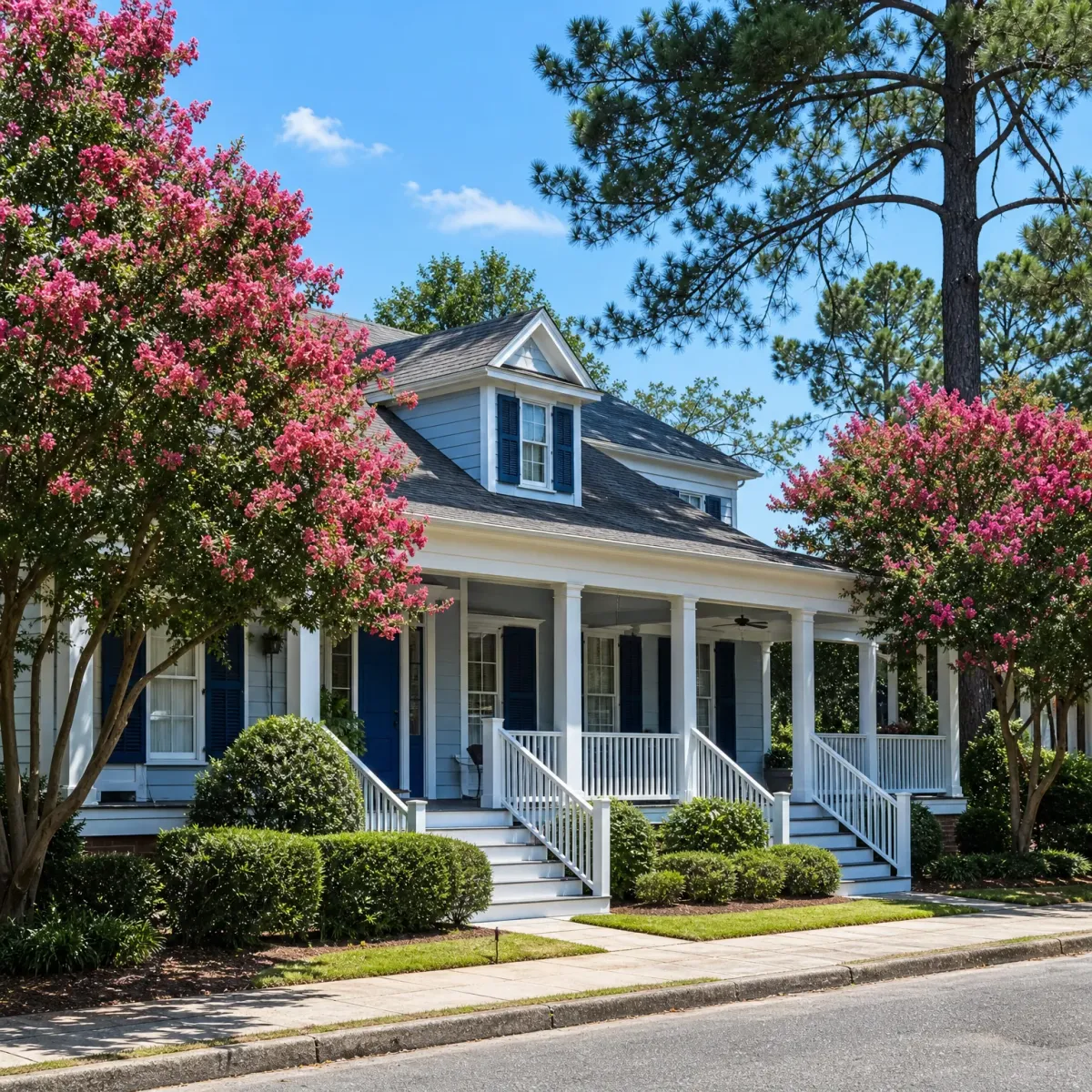
A light blue single-story house with white columns, a covered front porch, dark blue shutters and door, and a dormer, flanked by pink-flowering crape myrtle trees and trimmed hedges along a sidewalk.

Common questions about heat pumps and furnaces

  • Will a heat pump keep my house cool enough here?

    Yes. Afternoons here hit 90°F or above on about 80 days a year, and a heat pump is built to handle that the same way a central air conditioner does, because the two work the same way in cooling mode. Cooling is actually the longer season in Pike County, six months against five for heat, so the machine spends more of the year cooling than heating.

  • Can I keep my furnace and add a heat pump?

    Yes, that pairing is called a dual fuel system. The heat pump handles the heating on its own most nights, since only about 35 nights a year here drop to 32°F or below, and the furnace is there to step in when it gets colder than the heat pump can keep up with. It also means the furnace still has a job outside the handful of nights that push it hardest.

  • What if my house doesn't have a gas line?

    A heat pump is the straightforward choice. It runs on electricity alone, so there is no gas line to run and nothing burning in the house, and electricity already heats 70.6% of homes in Pike County. Propane or oil furnaces can work too, but a heat pump also covers your cooling, so it replaces two systems with one.

  • Is a heat pump cheaper to run than a furnace in Pike County?

    Yes, a little. At Mississippi's average fuel prices, a heat pump runs about $1.79 per 100,000 Btu of heat against $1.88 for a gas furnace. The gap is small, so either one is a reasonable cost to run here, but the heat pump comes out ahead.