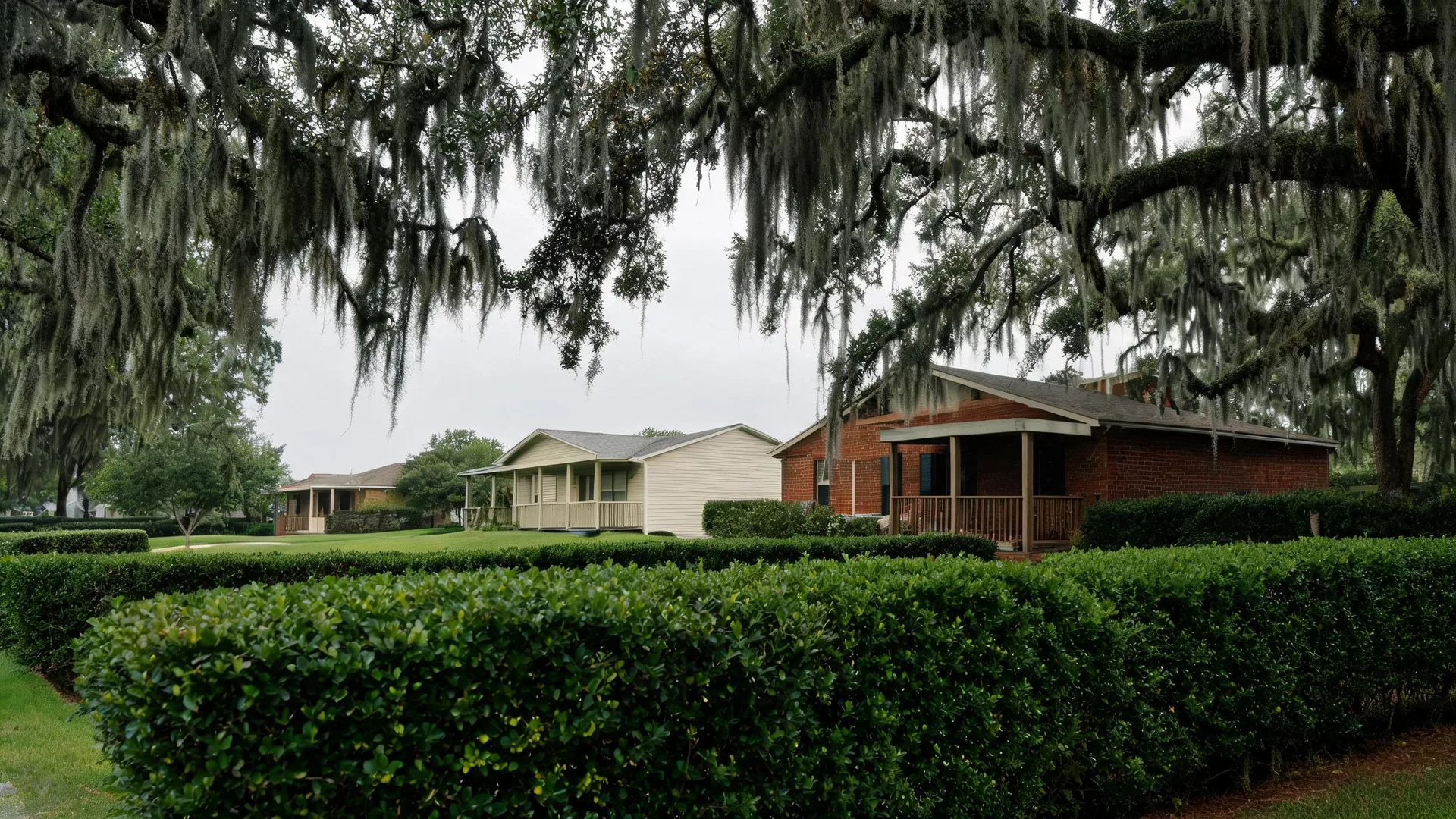






Single-story brick and white-sided houses behind a trimmed hedge and lawn, framed by overhanging oak branches draped with Spanish moss under an overcast sky.

Furnace Installation in Magee, MS

Tell us about the job

Takes about a minute. No obligation.

New system or replacementFurnace or heatingSimpson County, MS
Step 1 of 2

What ZIP code is the job in?

Most homes in Simpson County heat with electricity, at 63 percent. Furnaces in these homes are usually paired with an electric air handler or heat pump setup rather than a gas-fired system. Utility gas only reaches 15 percent of homes here, and another 19.6 percent run on bottled or LP gas, so your fuel source depends on what's already run to the house. If electric heat is what you have now, matching it keeps the installation straightforward, since the wiring and ductwork are already built for that kind of system. Replacing an LP or gas furnace with the same fuel type works the same way, as long as the line feeding it is already in place.

5 months
November through March, your furnace is on duty
38°F
the average winter night it heats against
80% AFUE
the federal minimum any new unit must meet
Isometric line illustration of a cutaway house showing interior rooms with furniture and a furnace with ducting and a flue pipe extending through the roof.
Your furnace works hardest from November through February.

NOAA nClimDiv, 1991–2020 normals

A furnace sized right for a Simpson County home doesn't need to be oversized or special.

Standard equipment, installed correctly, is what handles this job.

October is the month to have it done, before the first cold night in November

Heat runs November through March
Winter nights average 38°F
Climate zone 3A
Five months of workFurnaces here run November through March, with overnight lows averaging 38°F in December and January.

Electricity in Mississippi runs cheaper than in most states, at $39.26 per million Btu in 2024. That changes how to think about a new furnace. The top-efficiency model costs more up front and takes longer to earn that back when power is already cheap. A mid-range unit, installed right and sized for your house, will run you less over its life than chasing the highest rating on the shelf. Put the money where it matters more here. A unit that holds up when the power goes out for days and comes back on strong when it returns.

The efficiency rule your furnace has to meet is changing in 2028

Gas furnaces sold now have to hit 80 percent AFUE, and that's the standard your installer will be working to. That changes in 2028, when the minimum jumps to 95 percent, so what qualifies today won't always. A federal tax credit is available for qualifying high-efficiency equipment installed now. Get the new system in while the current rule is the one that applies.

Find a contractor
A gray gas furnace with attached ductwork and piping installed in an unfinished concrete basement.

What to ask before you decide

When you're comparing furnaces, ask what's inside the cabinet, not just the price installed. A heat exchanger can be aluminized steel or stainless steel, and that affects how long it holds up before it cracks or corrodes. Ask whether the blower motor is fixed speed or variable speed, since that changes how evenly the house heats and how much noise you hear when it's running. Ask what the warranty covers on the heat exchanger versus the rest of the unit, because those terms are usually different and the heat exchanger is the expensive part to replace. Ask how the installer arrived at the size, and don't accept a number that came from the square footage alone. A load calculation looks at windows, insulation, ceiling height and the ductwork itself, and skipping it means you're the one living with whatever they guessed. Ask what the installation involves beyond setting the furnace in place, including the venting, any drain line a condensing furnace needs, and whether the existing ductwork works with the new unit or needs changes. Those answers tell you what you're actually buying, not just what it's going to cost you.

Bigger isn't better here

A furnace too big for the house cycles on, heats the place fast, and shuts off again before it's pulled the chill out of the walls and furniture. That short cycling wears the igniter and the blower motor harder than steady runtime would, and it leaves rooms feeling uneven, warm near the vent and cold in the corners.
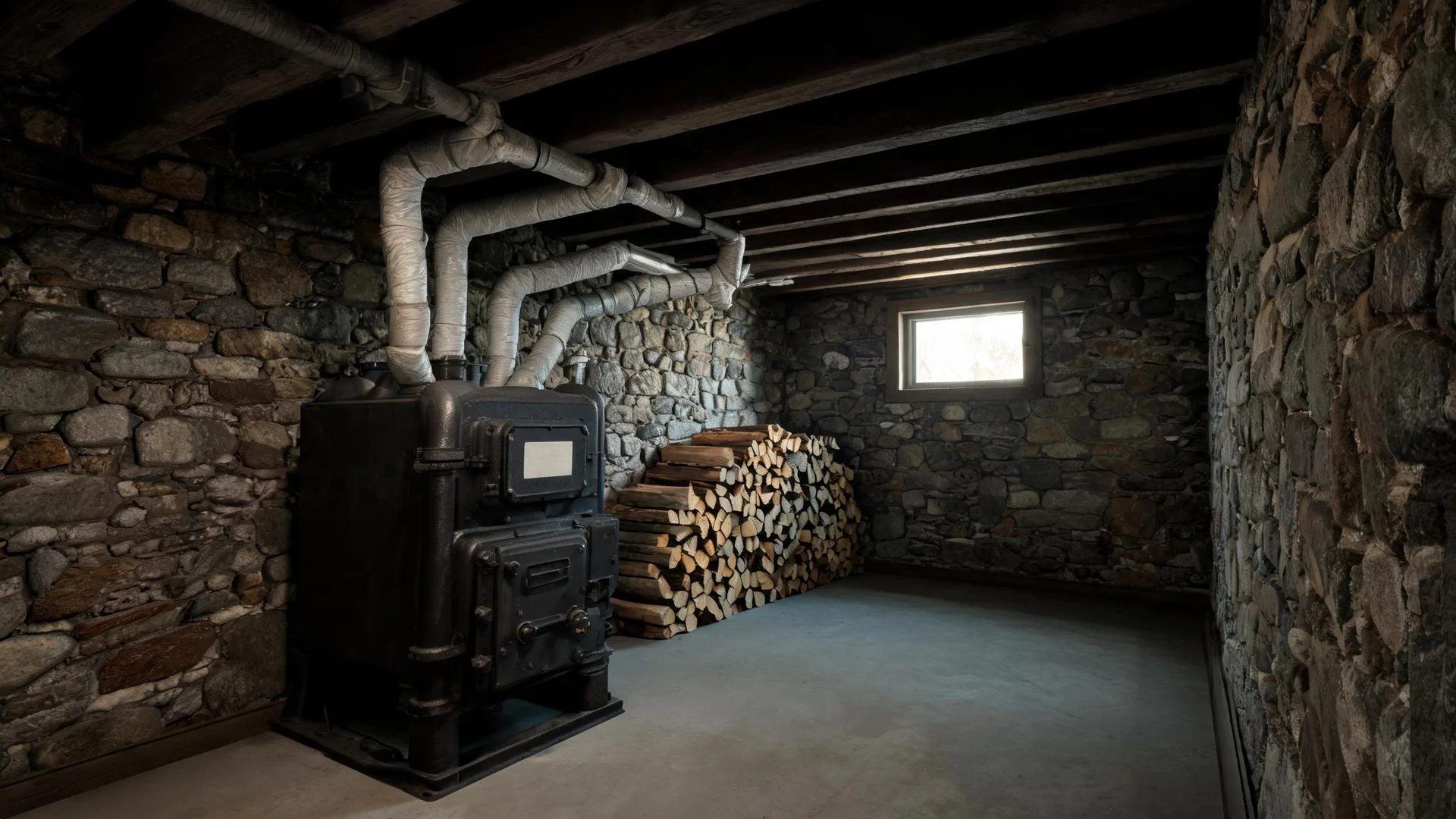
The load calculation is the job

Sizing starts with a room by room load calculation, not the square footage on the listing. It accounts for window area, insulation, ceiling height, and how the ductwork moves air through the house. Skip that step and the installer is just guessing at a number, and a guess is how you end up with a furnace that doesn't match the house it's heating.

The AFUE rating on the label measures one thing. It tells you how much of the fuel burned turns into heat inside the house versus how much goes out the flue as exhaust. It has nothing to do with how big a house the furnace can heat or how fast it warms a room. A higher rated furnace also condenses the exhaust gas into water as it pulls more heat out of it, which means it needs a drain line and different venting than an older style furnace. That can change what the installation involves even when the furnace itself is a straightforward swap. The rating tells you what happens to the fuel burned. It doesn't tell you what size furnace the house needs or how simple the installation will be.

Installation day starts with the old furnace coming out, and that's often where the real work shows up. The installer checks the flue or vent pipe, the gas line or electrical circuit, and the ductwork connection to see what can stay and what has to change for the new unit. Setting the furnace itself and connecting the supply and return plenums doesn't take long. What takes the time is getting the venting right, especially if the new furnace condenses exhaust and the old one didn't, since that means a new drain line and different pipe than what's there now. Once it's connected, the installer fires it up and checks the flame, the temperature rise across the heat exchanger, and the airflow at the vents before calling it done. A system that's sized right and hooked up correctly should run quiet and even from the first cycle, with no burning smell past the first few minutes as any dust on the heat exchanger burns off.