Most homes here run on electric heat
Electricity heats 60.1% of occupied homes in Tishomingo County. A furnace install here is more likely to mean an electric furnace or a heat pump system than a gas one.
Takes about a minute. No obligation.
Electricity heats 60.1% of occupied homes in Tishomingo County. A furnace install here is more likely to mean an electric furnace or a heat pump system than a gas one.
Utility gas heats 24.9% of homes in the county, and another 11.4% use bottled or LP gas. If your home already has a gas line run to it, that changes which furnace makes sense to install.
NOAA nClimDiv, 1991–2020 normals
Furnaces in Tishomingo County run from October through April.
September is the month to put in a new one, before you need it.




A furnace here runs about seven months a year. That leaves spring and summer with no load on it at all. Winter nights average 32°F, which calls for steady heat, not the kind of extreme cold that pushes a system to its limit night after night. A furnace sized right for this climate isn't working against hard conditions, so you don't need to pay for the highest efficiency tier to get a system that holds up. What matters more is picking one built well and installed right, since a furnace here tends to fail from age or a missed tune-up long before it fails from overwork.
Any furnace installed here now has to hit 80 percent AFUE, the current minimum. That changes in 2028, when the minimum jumps to 95 percent. A furnace going in today is built to the rule that applies now, not the one coming later.
Find a contractor
A furnace that's too big for the house doesn't heat it better. It short cycles, running a few minutes at a time before it hits the thermostat setting and shuts off, then starting again a few minutes later. It never runs long enough to warm the place evenly or to move enough air through the ducts, so you get hot and cold rooms instead of steady heat. All that starting and stopping is harder on the igniter and the blower motor than a long, steady run would be. A furnace that's too small just runs and runs, working constantly through the coldest nights without ever quite catching up. Sizing is worked out with a load calculation, not by matching the old unit or going by square footage alone. It accounts for the floor area, the windows, the insulation, the ceiling height, and how much of the house is exposed to outside air. Done right, it tells the installer the exact output the house needs, no more and no less.
A quote without a load calculation is a guess. Ask what numbers they used for the windows, the insulation, and the square footage, and what output they landed on. Installers who did the math right should land close together on size, even if their equipment picks differ.
A furnace can be sized right and still heat the house poorly if the ducts can't carry what it puts out. Ask whether anyone checked the duct size and layout against the new unit, not just swapped the furnace and left the ducts as they were.
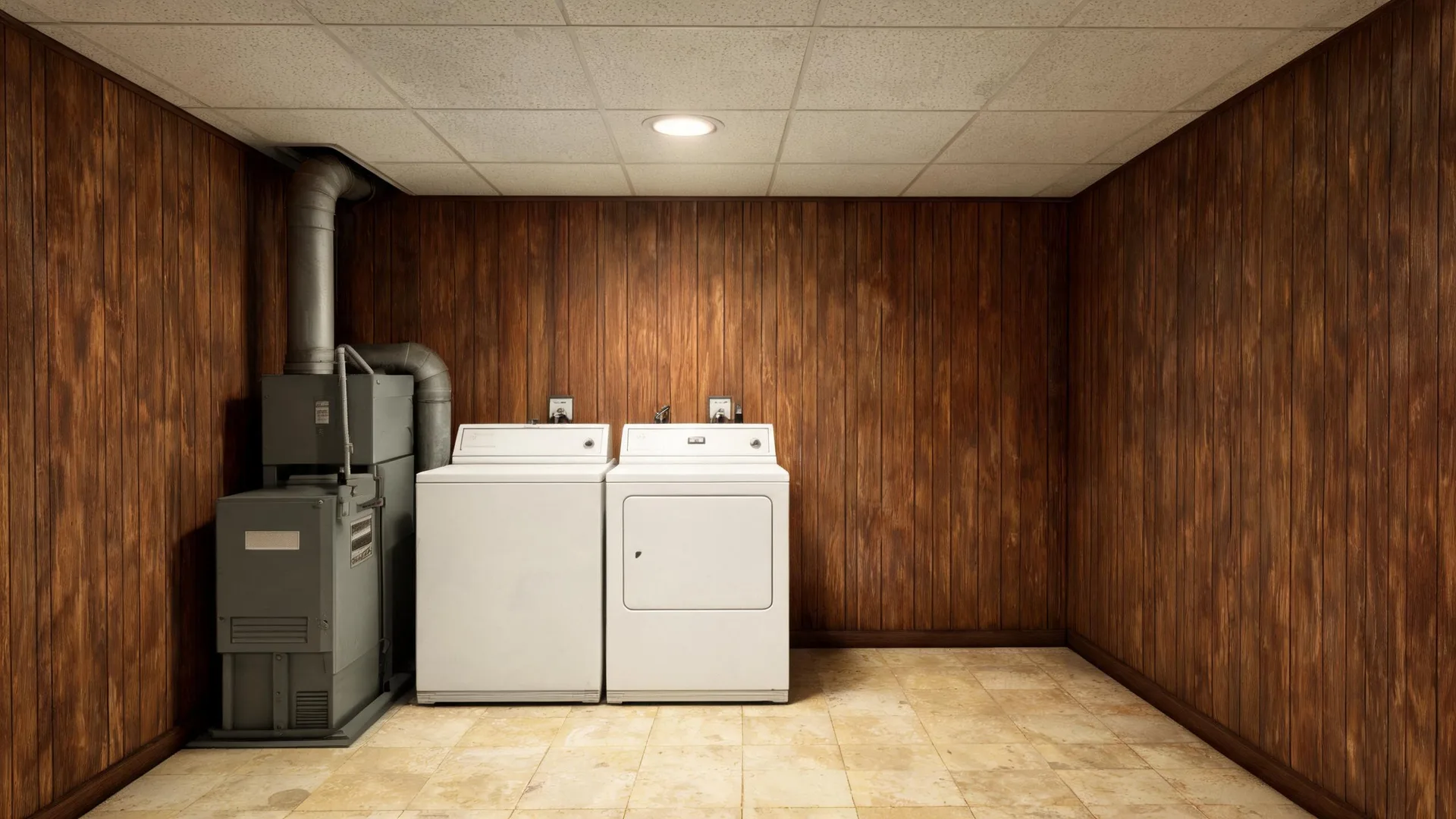
The old furnace doesn't get reused once it's out. A tech disconnects the gas line or the electric circuit, pulls the duct connections apart, and the unit comes out whole or in pieces depending on the basement or closet it's sitting in. Scrap haulers take the metal cabinet and most of the internal parts, since furnaces are mostly steel. If the old unit runs on gas, that line gets capped off safely before anyone leaves, even if the new furnace is electric. The heat exchanger and burners don't get inspected or reused anywhere. They're done, and the install moves on to setting the new unit in place.
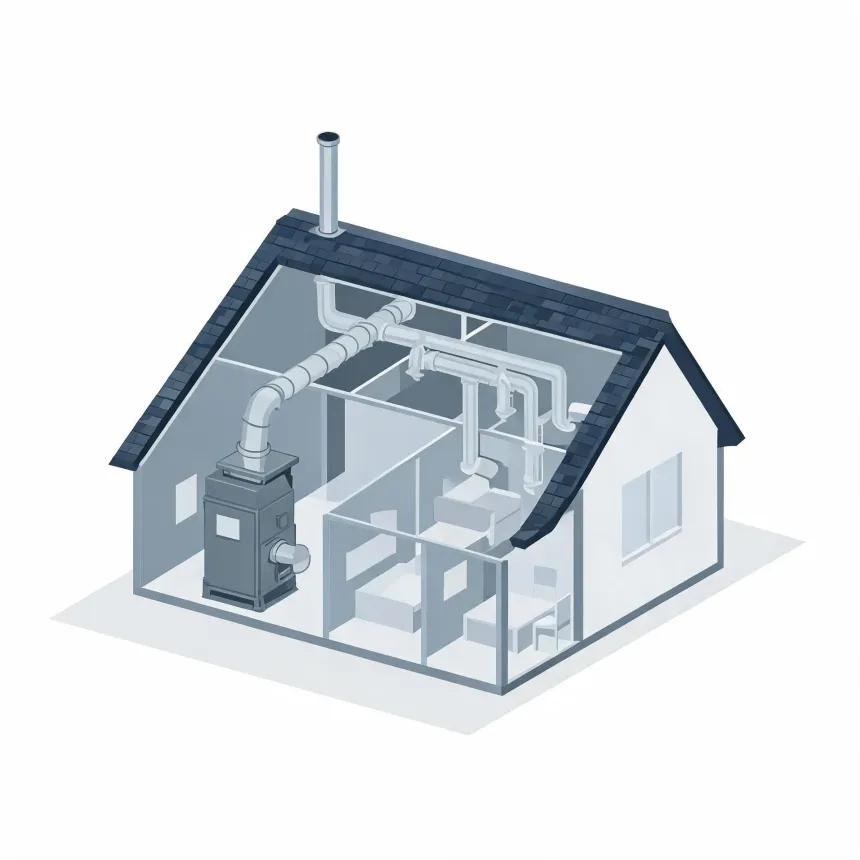
Install day starts with the house, not the furnace. The tech sets the new unit in place, then connects the supply and return ducts, the gas line or electric circuit, and the venting. Gas furnaces need venting run to the outside, sized and sloped correctly, since that's how exhaust gets out safely. Electric furnaces skip that step but still need the circuit sized to the unit's draw. Once everything's connected, the tech checks airflow across the coil, tests the ignition sequence a few times, and lets the system run a full cycle to see that it reaches temperature and shuts off the way it should. Permits and a final inspection usually follow, since a furnace is gas or electrical work and most places require sign-off before it's called done.