Most homes here run on electricity
Electricity heats 82.6% of homes in George County. Bottled or tank gas accounts for 7.8%, and utility gas for 4.5%.
Takes about a minute. No obligation.
Electricity heats 82.6% of homes in George County. Bottled or tank gas accounts for 7.8%, and utility gas for 4.5%.
If your home was built for electric heat, the wiring is already sized for it. Replacing an electric furnace with another one is usually the straighter job compared to switching fuel types.
NOAA nClimDiv, 1991–2020 normals
Furnaces here start running in November.
Get yours installed in October, before the first cold morning puts it to the test.



Furnace here only has to work about five months of the year, November through March. Overnight lows average 40°F through December, January and February, which is cold enough to want real heat but not the kind of deep freeze a furnace has to fight for months on end. A furnace sized and installed to handle that doesn't need to be the top efficiency model on the lot. Reliable matters more than high-end here, since the system spends most of the year sitting idle anyway.
Electricity here runs $39.26 per million Btu. A high-efficiency furnace costs more up front, and at that rate it takes longer to earn back the difference. Picking the one that will run right, sized and installed correctly for this house, matters more than chasing the top number on the sticker.
Find a contractorSizing a furnace comes down to a heat loss calculation, not the square footage on a listing. A contractor worth hiring measures the walls, the windows, the ceiling height, room by room, and figures out how much heat each space loses on a cold night. That number, not the size of the old unit, is what tells them what to install. Oversize it and the furnace short cycles, kicking on, heating fast, shutting off before it runs long enough to warm things evenly or wear in right. That cycling is harder on the heat exchanger and the blower than a steady run ever is. Undersize it and the furnace runs long and hard without ever catching up on the coldest mornings. Either mistake shows up fast once the weather turns, which is exactly when a homeowner doesn't want to find out the sizing was wrong.
A furnace too big for the space cycles on and off instead of running steady, which wears the heat exchanger faster and leaves rooms uneven. Ask whoever is quoting the job how they sized it. A room by room load calculation beats matching whatever size is already there.
A new furnace moves air through the same ducts the old one used, unless someone checks them first. Leaks, crushed runs, or ducts sized for a different unit will undercut even a well chosen furnace. Worth asking whether the ducts get inspected as part of the install or just hooked back up as is.
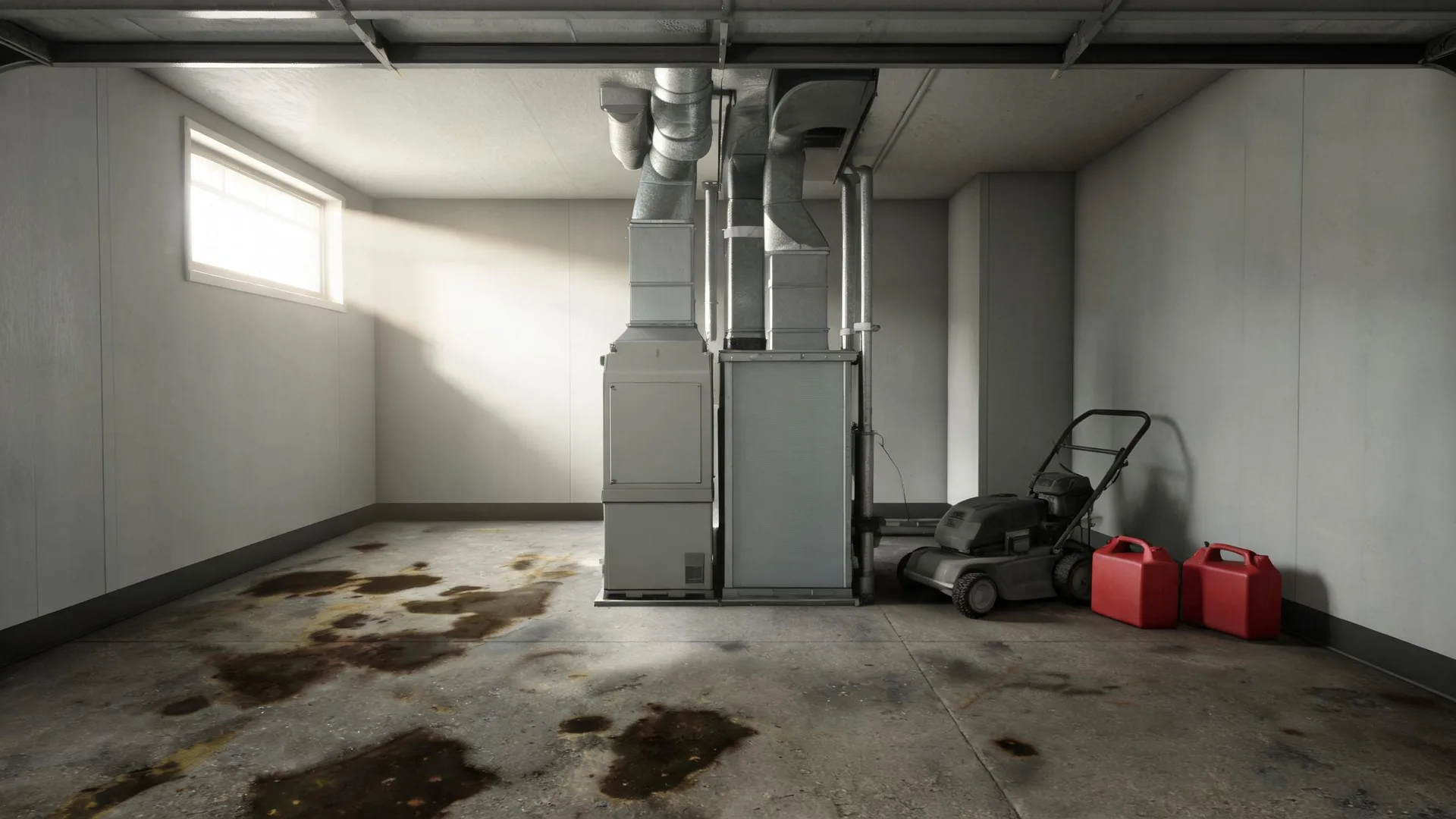
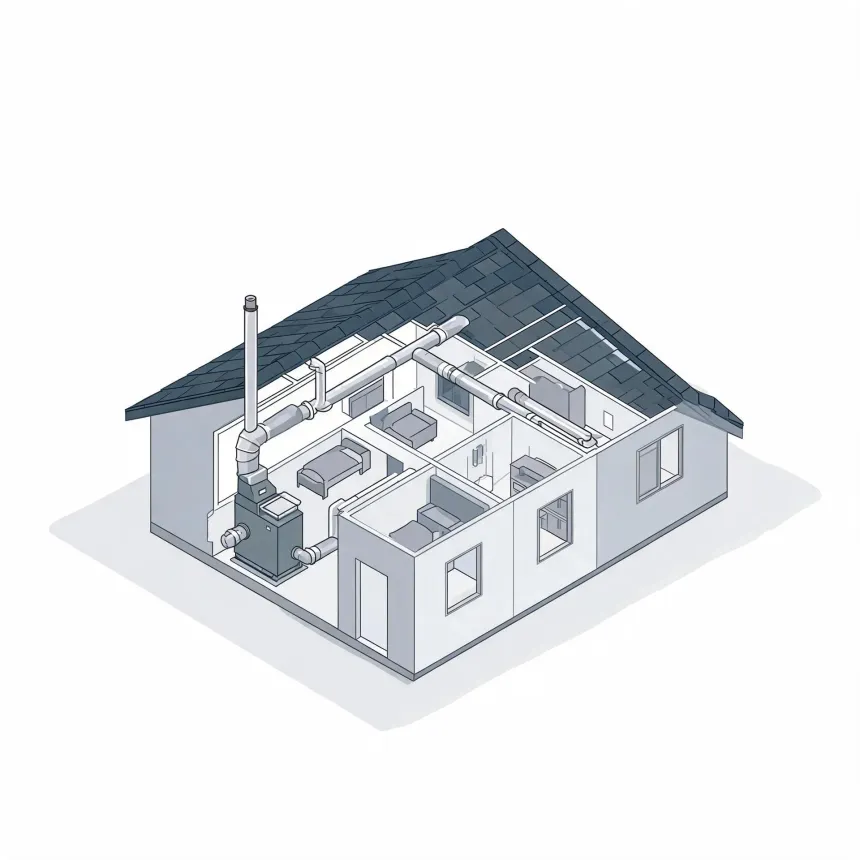
The furnace itself is only part of what's being installed. A straight swap, same fuel type, same spot, same ductwork, is quick work for a crew that knows what they're doing. Add a fuel conversion, a furnace that needs to move to a new spot, or ductwork that has to be resized, and the job grows. The cabinet has to fit the space, the venting has to match what the new unit needs, and the electrical has to suit what's going in. None of that shows up on the sticker price of the furnace, but all of it shows up in the quote.
Installation day starts with the old furnace coming out. The crew disconnects the gas or power and pulls the old unit. That gives them a look at the ductwork, the venting, and the electrical that's actually there instead of what the quote assumed. Setting the new furnace in place is the fast part. Sealing the duct connections, running the venting to code, wiring the thermostat and matching the gas line or electrical circuit to what the new unit needs is where the time goes. Once it's hooked up, a tech runs it through a full cycle and checks the airflow at the vents before calling it done. A straight swap can wrap in a day. Anything that needs new venting or duct work takes longer, and a good crew will tell you that before they start, not after.