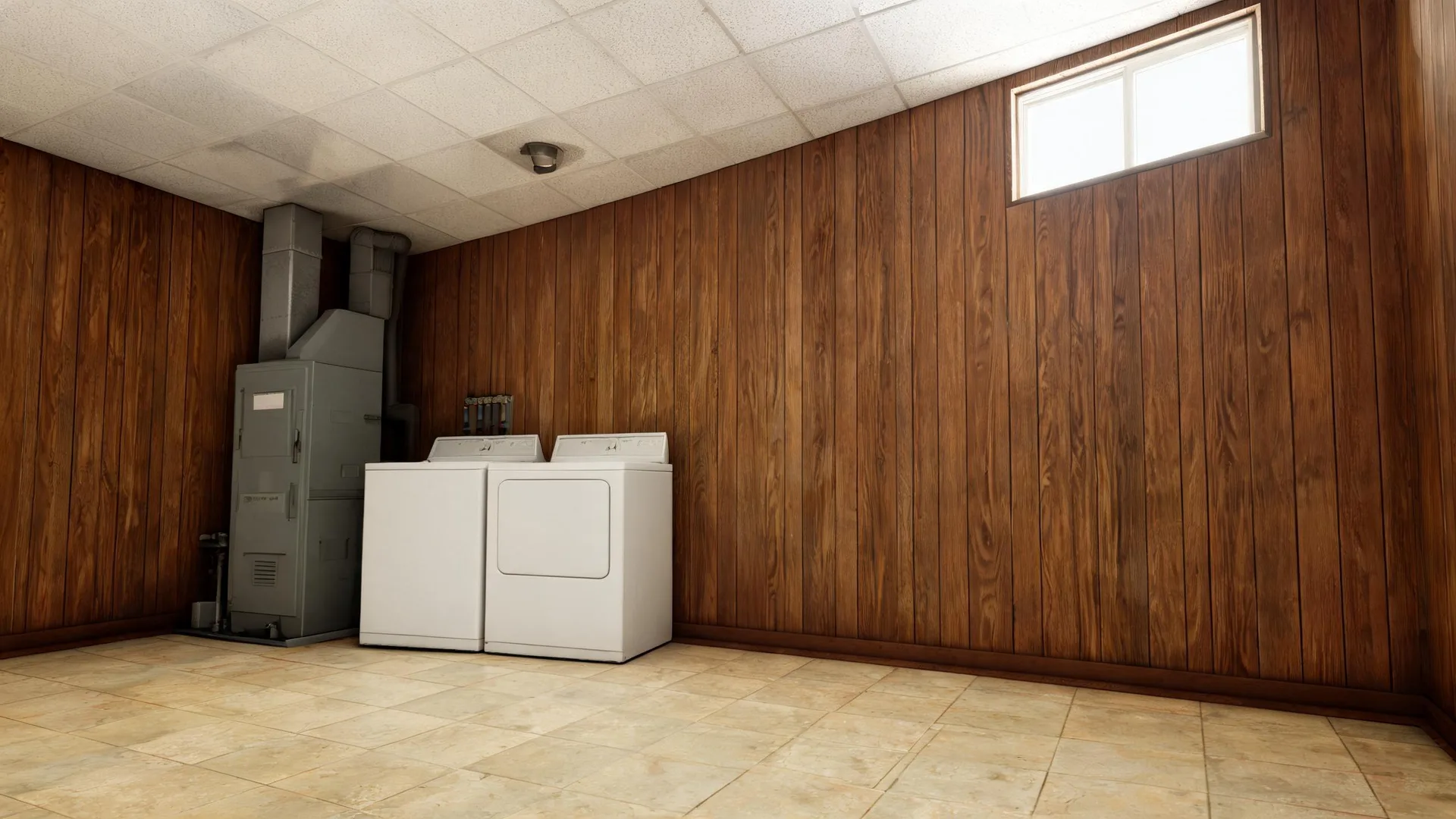
Electric heat leads here
Electricity heats 46.6% of homes in Panola County, with bottled or LP gas second at 31.2% and utility gas a distant third at 20.5%. An electric furnace is the common setup.
Takes about a minute. No obligation.
Electricity heats 46.6% of homes in Panola County, with bottled or LP gas second at 31.2% and utility gas a distant third at 20.5%. An electric furnace is the common setup.
If your current furnace is electric, matching it keeps the wiring and ductwork doing the same job they already do. Switching fuel types means asking what it takes to bring gas service to this house, since that's not a given here.
NOAA nClimDiv, 1991–2020 normals
Your furnace only has to carry Panola County from November through March.
Five months of real work a year means a mid-range furnace holds up fine here, you don't need to pay for the top of the line.




October is the month to get this done. Heat goes on in November here and runs through March, so a furnace that quits in the first cold snap leaves you without options. Get the new one in before that, and the contractor can take the time to size it right and set it up properly, instead of rushing a same-day swap while you're already cold. It also means you're choosing the furnace, not grabbing whatever's in stock the week it fails.
Batesville sits in climate zone 3A, and gas furnaces built from here on have to hit 80 percent AFUE. That's the floor, not a premium option, so it's already built into what a contractor installs. A federal tax credit is available on qualifying high-efficiency equipment if you want to go above that floor.
Find a contractor
Pick for reliability, not the efficiency ratings further up the spec sheet. A mid-range furnace here spends most of the year off, and the time it's on, overnight lows average 35 in December, January and February, not deep cold. Put the money into correct sizing and a clean installation instead of the top tier of the lineup.
AFUE tells you how much of the fuel burned turns into heat in the house versus what goes out the flue. It says nothing about how big a furnace is or how well it's matched to the ductwork. A high AFUE unit paired with the wrong size or leaky ducts can still run worse than a lower rated one installed right.
Once a furnace clears the efficiency floor for this zone, the rating number stops being the thing that decides comfort. Correct sizing, a tight duct system, and a clean installation do more for how the house actually feels than chasing a higher AFUE past that point.
Sizing a furnace comes down to a load calculation, not the square footage of the house. A contractor works through the walls, the windows, the insulation, the ceiling height, even which way the house faces, because all of that changes how fast the place loses heat. Skip that step and go by a rule of thumb instead, and you end up with a furnace that doesn't match the house. Oversized, it blasts the place to temperature fast, shuts off, and kicks back on again a few minutes later, never running long enough to heat evenly or wear in right. Undersized, it runs flat out through the cold stretch and still can't keep up. Either way the furnace wears down faster than one that's sized to the house it's actually heating.
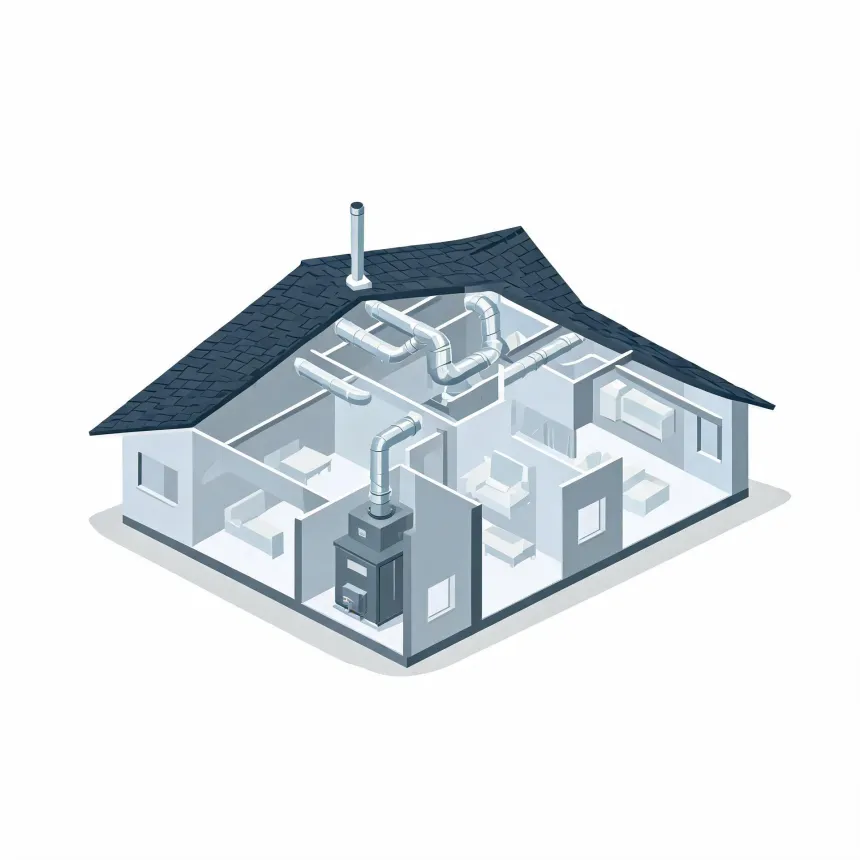
Install day starts with the old furnace coming out, not the new one going in. The contractor disconnects the gas or power, pulls the unit, and takes a real look at the ductwork and venting that are about to carry a new system. That's often when a return duct that's too small or a flue that was never quite right turns up, and it gets corrected before the new furnace goes in rather than papered over. Setting the new unit means leveling it, connecting the supply and return plenums, running the gas line or electrical, and venting it to the outside. Then comes startup. The contractor checks gas pressure, checks airflow, and measures the temperature rise across the furnace against what the manufacturer specifies for that model. A furnace that's installed right gets tested under real operation before anyone calls the job done, not just switched on to see if it fires.