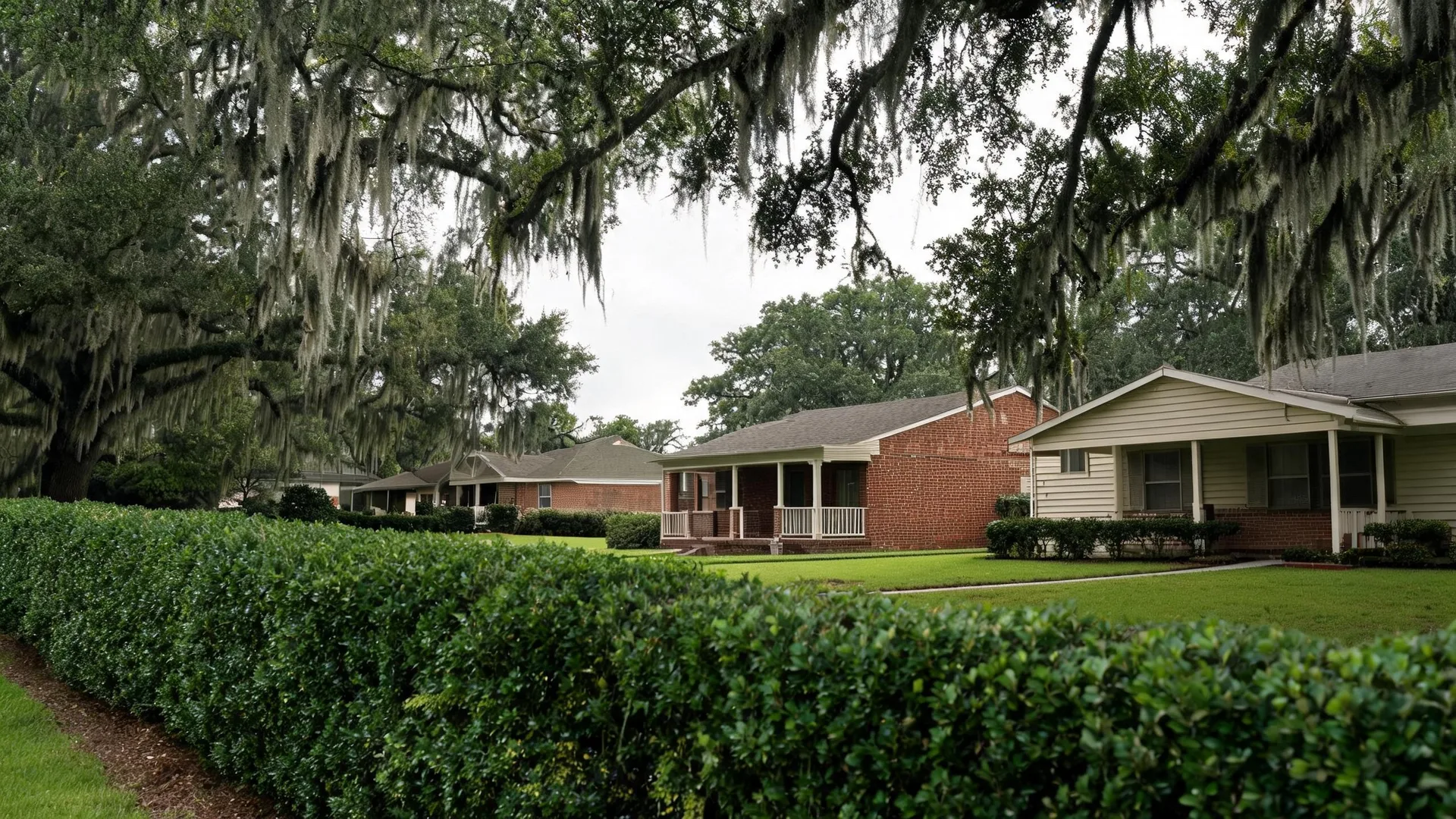






Single-story brick and siding houses with lawns behind a long trimmed hedge, framed by large oak branches draped with Spanish moss under an overcast sky.

Furnace Installation in Tupelo, MS

Tell us about the job

Takes about a minute. No obligation.

New system or replacementFurnace or heatingLee County, MS
Step 1 of 2

What ZIP code is the job in?

The efficiency rating on a furnace tells you how much of the fuel it burns turns into heat in your house instead of going out the flue. A higher rated furnace pulls more heat out of the same flame before it lets the exhaust go. That matters for the kind of furnace it is, too. The higher the rating, the more likely it condenses the exhaust and vents through PVC pipe instead of metal flue, because it's pulling so much heat out that the exhaust cools enough to form condensation. That changes what the installer runs through your walls or attic to vent it. Ask what rating fits the furnace you're quoted, and what venting it needs to work.

5 months
November through March, your furnace is on duty
34°F
the average winter night it heats against
80% AFUE
the federal minimum any new unit must meet
Isometric line illustration of a cutaway building interior showing a furnace unit with a flue pipe and ductwork running along the ceiling, plus adjacent rooms with simplified furniture.
Your furnace works hardest from November through March.

NOAA nClimDiv, 1991–2020 normals

Furnaces in Lee County start running in November.

October is the month to have the new one in, before the first cold night puts it to work.

Winters here don't ask for anything extra from a furnace

Heat runs November through March
Winter nights average 34°F
Climate zone 3A
Five months of work a yearLee County furnaces run November through March, with lows averaging 34°F in December, January and February.

Electricity heats 51.6% of homes in Lee County, gas furnaces heat 40.7%, and LP gas heats another 6.8%. If your house is already set up for gas, with a flue or PVC vent run and a gas line to the furnace, replacing it with another gas furnace is the straightforward path. The venting and gas line stay where they are, and the installer matches the new furnace to what's already there. Homes on electric heat usually run a heat pump or electric furnace instead, with no flue to tie into. Check which one you have before you start comparing quotes, since it changes what the installer is pricing.

Replace it before the season

Replace it before the season starts, so it happens on your schedule, not in a hurry.

Find a contractor
A gray high-efficiency gas furnace installed in an unfinished basement, surrounded by gas lines, a condensate drain, and sheet-metal ductwork.

The old furnace doesn't linger

The old furnace doesn't get left in place or parted out for scrap metal. Once it's disconnected, the installer hauls it off, and a lot of them end up recycled for the metal in the cabinet and heat exchanger. Before that happens, whatever gas line and vent it was using either gets capped off or reused for the new unit, so there's a short window where the house has no heat at all. That's the other reason to replace on your own schedule instead of after a breakdown. A planned swap means the old one keeps running until the new one is ready to fire, instead of a cold house while parts get ordered.

Size comes from a room by room heat loss calculation, not the old furnace's rating

A contractor measures the house, room by room, and figures how fast each one loses heat through the walls, windows and ceiling. That number, not the size of the furnace coming out, decides what goes in. The old one may have been wrong from the day it was installed.
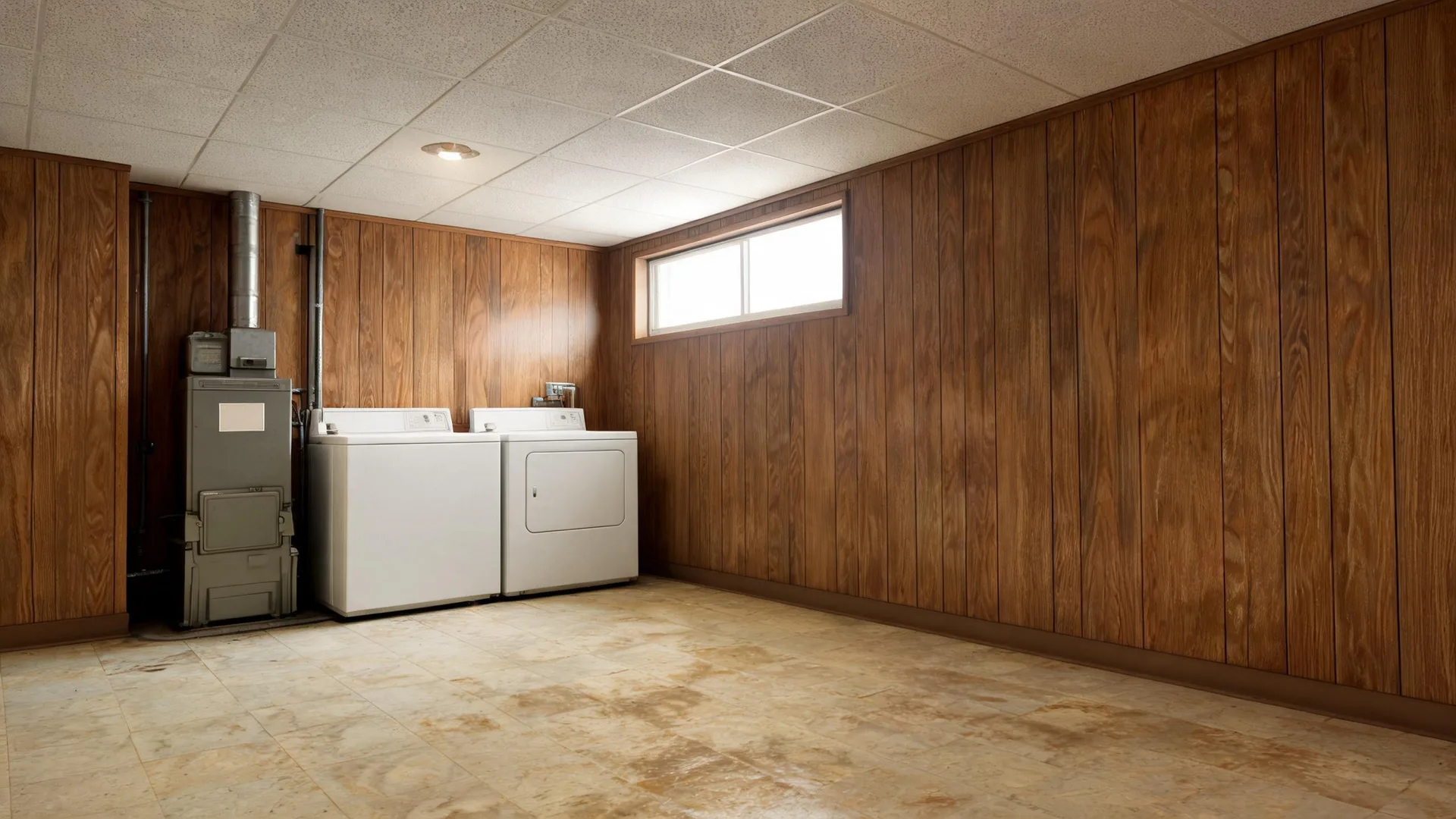
The wrong size runs wrong either way

Too big and the furnace blasts the house to temperature and shuts off, then starts again a few minutes later, never running long enough to heat evenly. Too small and it runs constantly on the coldest nights and still falls behind. Sized right, it runs long steady cycles that hold the temperature without strain on the burner or blower.

Ask what the furnace is rated to heat and how that was figured, not just what size the old one was. Ask what the warranty covers on the heat exchanger versus the rest of the parts, since those run on different clocks and a cracked exchanger years down the road is a different problem than a failed igniter. Ask whether the blower runs at one speed or ramps up and down, because a variable speed blower holds a steadier temperature through the house and runs quieter doing it. Ask what happens to the existing ductwork, whether it gets tested or just hooked back up as is, since a furnace can only push air as well as the ducts let it. Ask who pulls the permit and does the inspection, because that's what confirms the install was done to code, not just that the furnace turns on.

Installation day starts with the old furnace coming out, not the new one going in. The installer disconnects the gas line, the vent, the ductwork and the wiring, then takes the unit out whole or in pieces if it has to come through a tight spot. That's when problems hiding behind the old furnace show up, a vent that was never sized right, a gas line fitting that needs updating, a return duct that's been choked down for years. The new furnace gets set, leveled and connected, then the vent and gas line get run to match it. Before anyone calls it done, the gas pressure gets checked at the manifold, the flue gets tested for draft, and the system runs through a full cycle to see that it fires, heats and shuts off the way it should. A furnace that passes that check on day one is one that was put in right, not just put in.