An unfinished basement interior showing a gray furnace unit beneath a bare incandescent bulb, surrounded by exposed joists, concrete walls, cardboard boxes, and utility pipes.

Furnace Installation in Pascagoula, MS

Tell us about the job

Takes about a minute. No obligation.

New system or replacementFurnace or heatingJackson County, MS
Step 1 of 2

What ZIP code is the job in?

Bigger isn't better

A furnace that's too big for the house cycles on, heats the air fast, and shuts off before it ever warms the walls, the floors, or anything else that holds heat. The house ends up with hot and cold swings instead of steady warmth. The burner wears out faster too, from switching on and off so often.

The size comes from a room by room load calculation

A contractor works out furnace size from the house itself. How much wall and window area it has. How it's insulated. How the ducts are laid out. Even which way the rooms face. That calculation is what tells the installer which furnace to put in, not the size of the one being replaced.

5 months
November through March, your furnace is on duty
42°F
the average winter night it heats against
80% AFUE
the federal minimum any new unit must meet
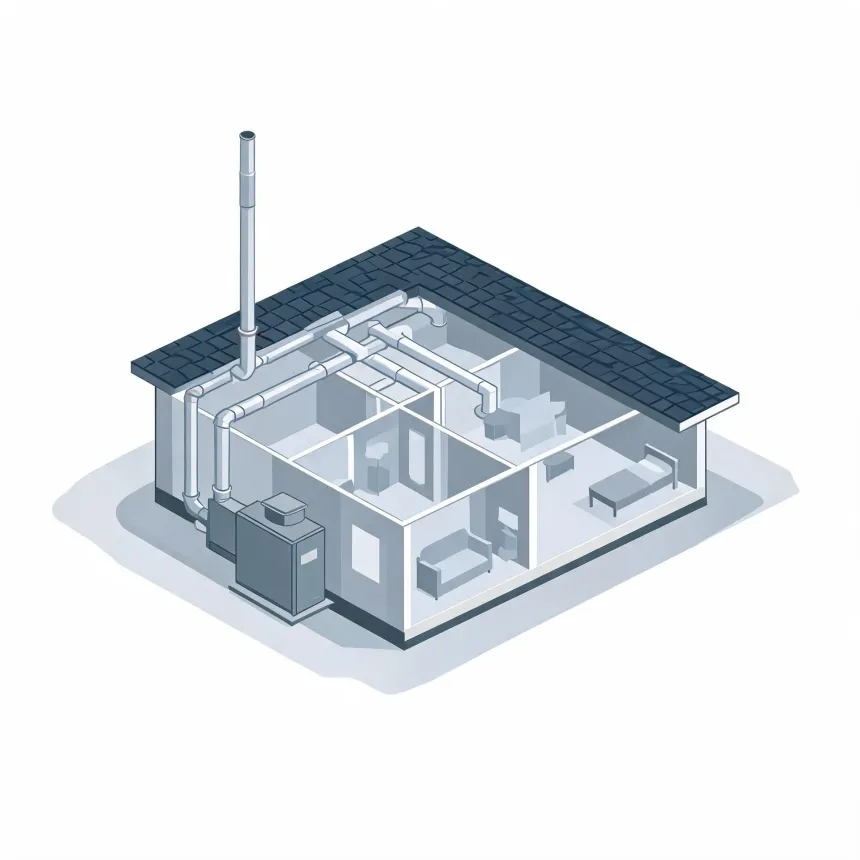
Isometric cutaway illustration of a single-story house with a dark shingled roof, showing interior rooms with furniture, a ducted air distribution system, a tall vertical flue pipe, and a gray furnace unit outside the wall.
Your furnace works hardest from December through February.

NOAA nClimDiv, 1991–2020 normals

Electricity heats 81.3% of homes in Jackson County.

A furnace installed here is almost always paired with an electric system already in the house.

Five months of mild winters means this furnace won't be working hard

Heat runs November through March
Winter nights average 42°F
Climate zone 2A
Cheap power here, so payback is slowMississippi power runs $39.26 per million Btu, among the lowest in the country

Pascagoula sits in climate zone 2A, where cooling carries most of the year's load and winter asks much less of a furnace. That doesn't loosen what a new one has to meet. Any gas furnace installed today has to hit 80 percent AFUE at minimum, the same floor that's applied for years now. That minimum jumps to 95 percent for furnaces built a few years out, so a furnace going in now still only has to clear the lower number. A federal tax credit is available for higher-efficiency equipment, on top of whatever the furnace is rated to meet.

Have it in before November

Heat season here runs November through March. Install it in October and the contractor has time to size it right and get it running before the first cold night, instead of fitting it in around a breakdown.

Find a contractor
A man in a cap, dark jacket and tan pants walks up porch steps toward a navy blue front door, carrying a canvas tool bag filled with hand tools, with a potted plant in a blue planter to the right.
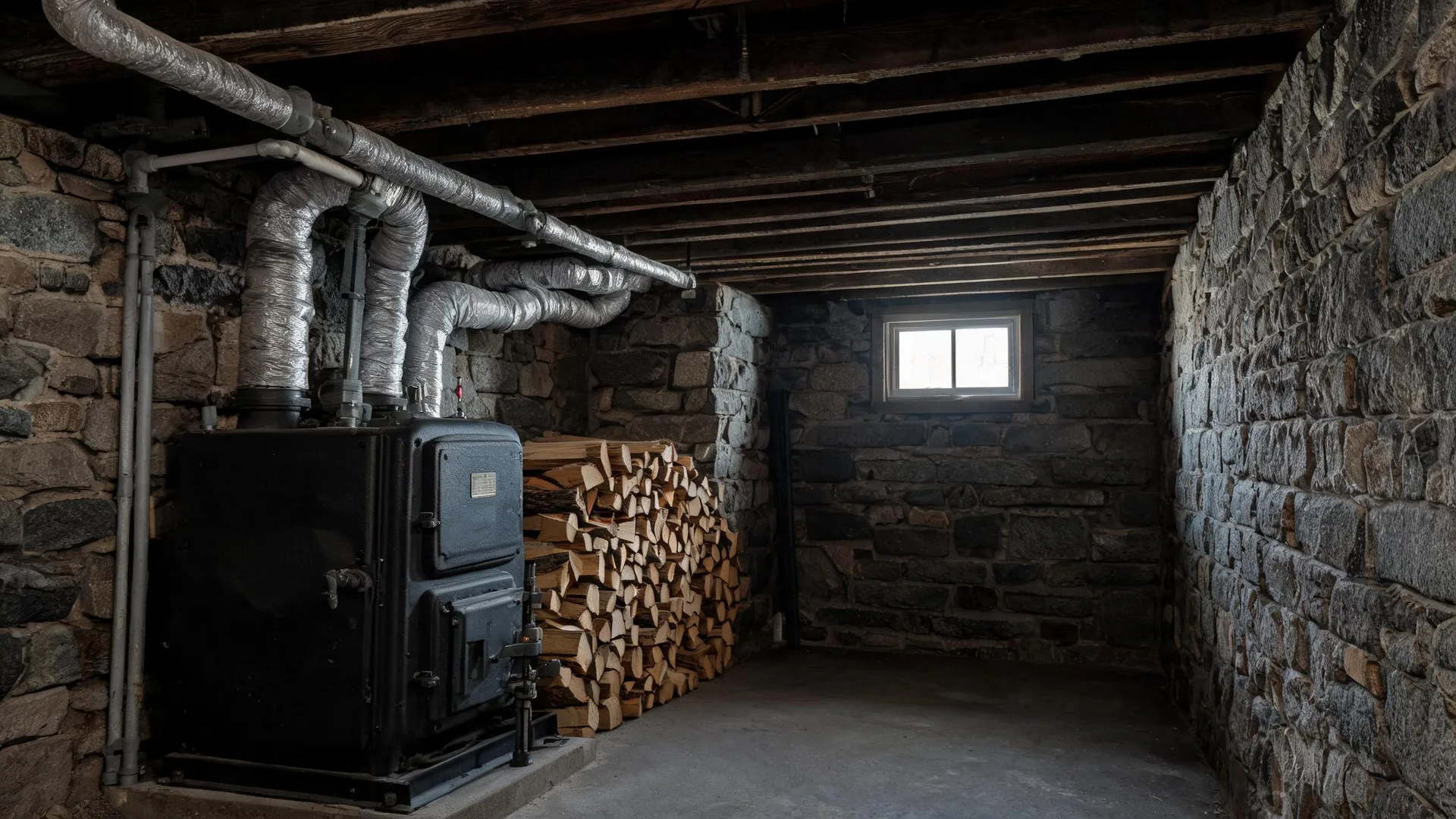
A gray residential gas furnace installed in an unfinished basement, connected to sheet-metal ductwork and PVC pipes.

Five months, mild nights

The furnace only has to carry Pascagoula through November to March, and overnight lows in that stretch average 42 degrees. That's not a hard pull for any furnace rated at the minimum. Pick one built to run steady and start reliably, year after year, rather than one sold on an efficiency number this climate won't call on much. Where it counts is sizing it right for the house.

The old furnace gets disconnected and hauled out

The gas line gets capped, the flue is disconnected, and the old unit is removed before the new one goes in. If it's in a closet or attic, the condensate line and any electrical hookups come out too. None of that reuses the old ductwork connections as is, since the new furnace almost never matches the old one's dimensions exactly.

The cabinet means little once it's out

A furnace cabinet that still looks fine on the outside can have a cracked heat exchanger or a failing control board, the things that actually end its service life. None of that gets reused or repaired for resale. Scrap metal is about the only value left in a unit that's been pulled, regardless of how it looked sitting in the house.

What a furnace costs to put in comes down to more than the unit itself. Ductwork is usually the biggest variable. If the existing ducts are undersized, leaky, or laid out wrong for the new furnace's airflow, modifying or replacing sections adds real labor on top of the install. The venting matters too. A furnace vents differently depending on its efficiency tier, and if the new one doesn't match how the old one vented, that flue or intake piping has to change to match it. Where the furnace sits plays in as well. One set in an easy spot, like a basement or a ground-level closet, goes in faster than one tucked in an attic or a crawlspace where everything has to be carried in and worked on at an angle. Electrical and gas line work adds more if the new furnace draws more power or needs a different gas connection than what's already run to it. The furnace itself, its size and efficiency tier, is only one piece of what the job actually takes.

Installation day starts with the house, not the box. The contractor checks the space the furnace sits in, confirms the duct connections, and runs the gas and vent lines before anything old comes out. Once the old unit is disconnected and cleared, the new furnace gets set in place and leveled, because an unlevel cabinet strains the blower and the drain over time. Gas line, vent pipe, and ductwork get connected and sealed, and the electrical and thermostat wiring gets tied in. Before it's called done, the contractor fires it up, checks the gas pressure, confirms the flue is drafting right, and watches a full heating cycle to make sure it ignites clean and shuts off the way it should. The work isn't finished until it's proven it can do that on its own, not just that it turned on once.