






An unfinished basement featuring concrete block walls, exposed floor joists, and a metal forced-air furnace with ductwork near a central pillar.

Furnace Installation in Natchez, MS

Tell us about the job

Takes about a minute. No obligation.

New system or replacementFurnace or heatingAdams County, MS
Step 1 of 2

What ZIP code is the job in?

The efficiency number on a furnace tells you how much of the fuel it burns turns into heat for your house, and how much goes straight out the flue. A higher rated furnace pulls more heat out of the same flame before letting the exhaust go. That difference shows up every month you run it, not just once. It also changes what the installer needs to work with. The higher rated units condense the exhaust and need a drain line for that condensate, plus a different vent pipe than the old style. That can mean more work during installation, not less, even though the furnace itself runs leaner once it's in.

5 months
November through March, your furnace is on duty
40°F
the average winter night it heats against
80% AFUE
the federal minimum any new unit must meet
Isometric cutaway illustration of a single-story house with a dark shingled roof, showing interior rooms with furniture and a furnace connected to ductwork and a flue pipe extending above the roof.
Your furnace works hardest from December through February.

NOAA nClimDiv, 1991–2020 normals

Half the homes in Natchez were built in 1972 or earlier.

A furnace going into a house that age has to work with the ductwork and venting already there, not the other way around.

Electricity runs $39.26 per million Btu here, cheap enough that the highest-efficiency furnace isn't the one that pays for itself fastest

Heat runs November through March
Winter nights average 40°F
Climate zone 3A
Natchez runs on electricityElectricity heats 53.2% of homes in Adams County, gas 40.0%

Natchez falls in climate zone 3A, warm with a short mild winter, so the furnace itself is not doing heavy lifting most of the year. Any furnace installed here still has to meet the federal floor of 80 percent AFUE. That rule stays in place until December 2028, when furnaces built from that date on will have to reach 95 percent AFUE instead. A furnace installed today under the current rule keeps running at its own rating after that date passes. The 2028 change affects what comes off the line later, not the furnace already in your house.

Have it in by November, not during a cold snap

Heat runs here from November through March. October is the month before that starts, and it's the month to get a furnace replaced. Do it then and the install happens on a normal schedule, with time to work through venting and ductwork questions without the house already needing heat.

Find a contractor
A gray residential gas furnace installed in an unfinished basement, connected to sheet-metal ductwork and PVC pipes.

Five months of work a year

Furnaces here run about five months a year, November through March. That's a season's worth of work, not a full year of it. The rest of the year the system sits idle. Overnight lows average 40°F through December, January and February, so even on the coldest nights it isn't being asked to fight single-digit cold. A furnace built to the federal minimum can handle that load without strain. Where furnaces usually fail is age and neglect, a cracked heat exchanger or a dirty flame sensor after years of light use, not a motor burned out from running flat out all winter.

The old furnace has to come out first

A gas furnace is vented to carry exhaust outside, and that venting has to be disconnected and capped correctly before the new unit goes in. The old heat exchanger, burners and blower get hauled out as a unit in most cases. If the old furnace had a standing pilot or an older style vent, the installer checks that nothing about the new venting conflicts with what's already run through the house.
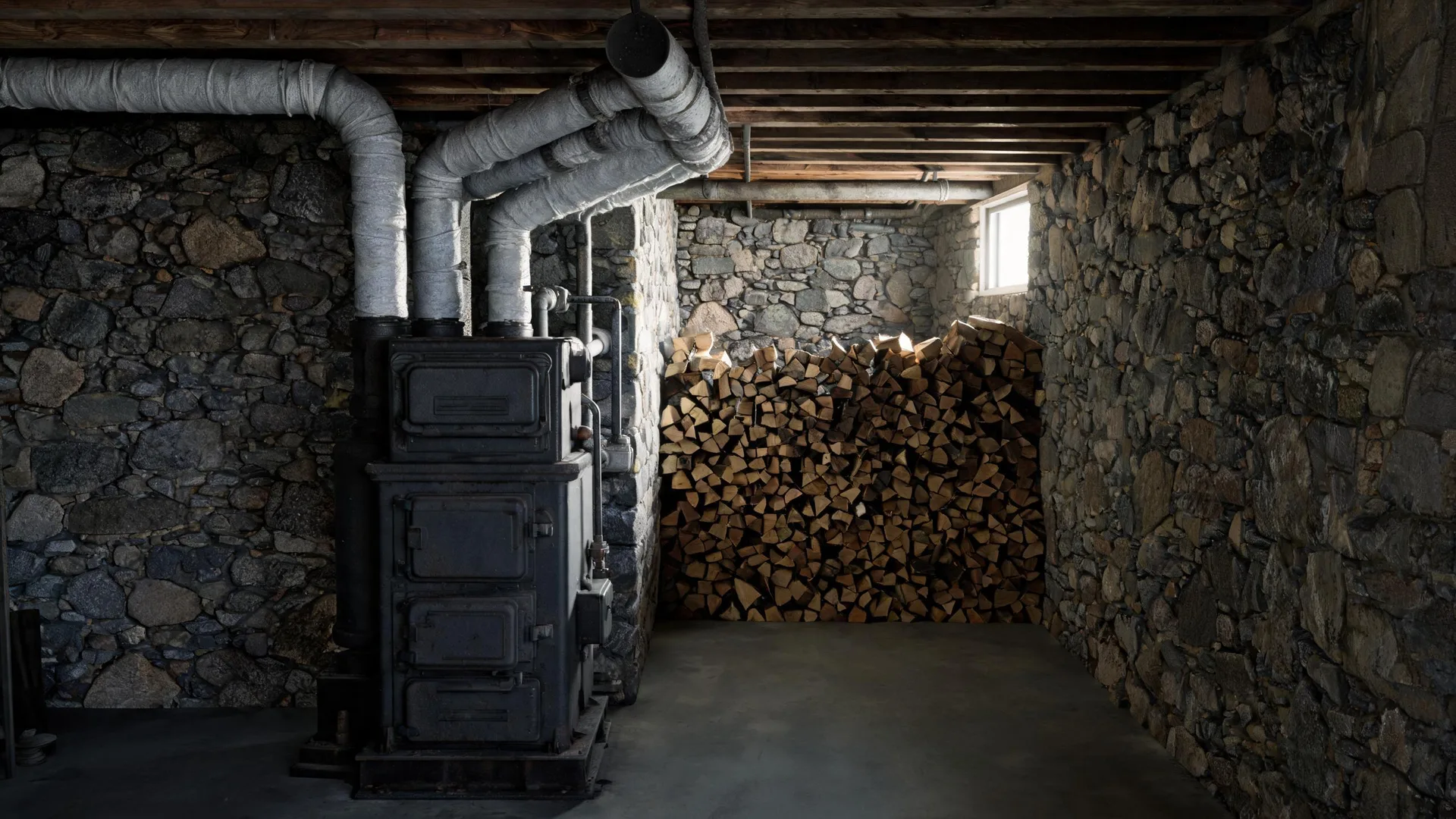
What's inside it matters more than the box

An old furnace can have a cracked heat exchanger, scorched wiring, or a gas valve that's seized up, and none of that transfers to the new unit. Scrap haulers take the metal cabinet for the steel in it, not for parts. None of what's wrong with the old furnace carries over. What does carry over is the ductwork and gas line it was connected to, and that's what the installer inspects before hooking up anything new.

Ask what the quote is actually sizing, the furnace alone or the furnace matched to the ductwork already in the house. A furnace sized off a load calculation will perform differently than one picked just to match the box coming out, even at the same rating. Ask who runs that calculation and what goes into it. Ask what the warranty covers on the heat exchanger versus the blower motor, since those fail for different reasons on different timelines, and a warranty that's strong on one can be thin on the other. Ask what happens to the vent pipe, since not every furnace can run on the venting already in place. A contractor who answers plainly, with specifics instead of a shrug, is telling you more than the brand name on the unit ever will.

Installation day starts with the house, not the furnace. The crew shuts off gas to the old unit and power to the blower before anything gets disconnected. Once the old furnace is out, the duct trunk and the gas line get inspected on their own, apart from whatever shape the new furnace is in. Setting the new cabinet is quick compared to what follows. The supply and return plenums get connected, gas gets run to the valve, the thermostat and control board get wired, then it all gets vented properly to the outside. After that comes testing. Gas pressure gets checked at the manifold, the flame gets looked at, the temperature rise across the heat exchanger gets measured to see it falls within range. A furnace isn't left running until the installer has checked that it cycles on and off the way it should, holds steady, and shuts down clean.