
Heat pump vs furnace in Adams County, Mississippi

Compare Real Quotes

Match with a pro in Adams County

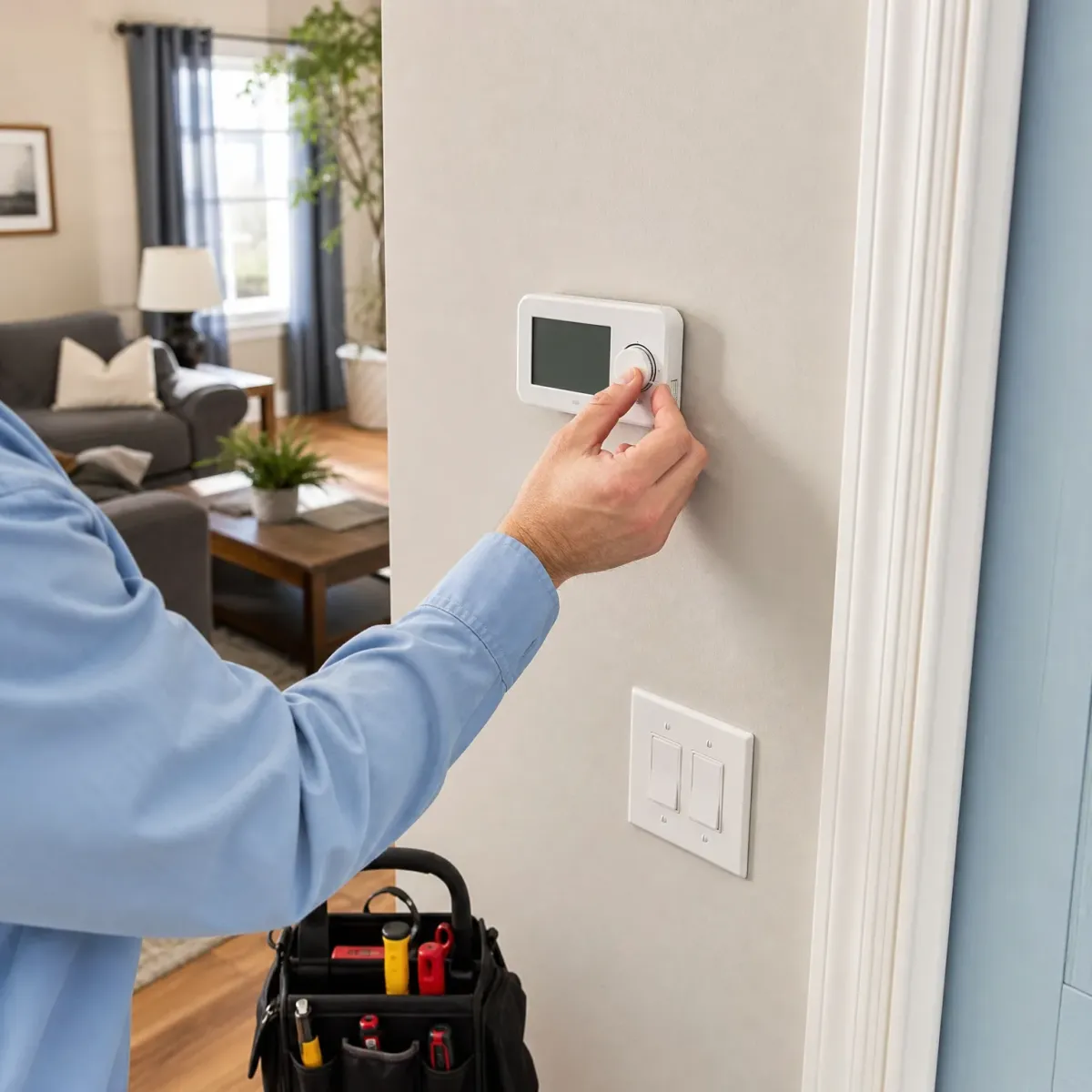
A person in a light blue shirt reaches up to adjust a white wall-mounted thermostat with a dial, with a light switch plate below and a living room with sofa and window in the background, and an open tool bag at lower left.

Tell us about the job

Takes about a minute. No obligation.

New system or replacementAdams County, MS
Step 1 of 3

What kind of equipment?

Which costs less to run in Adams County?

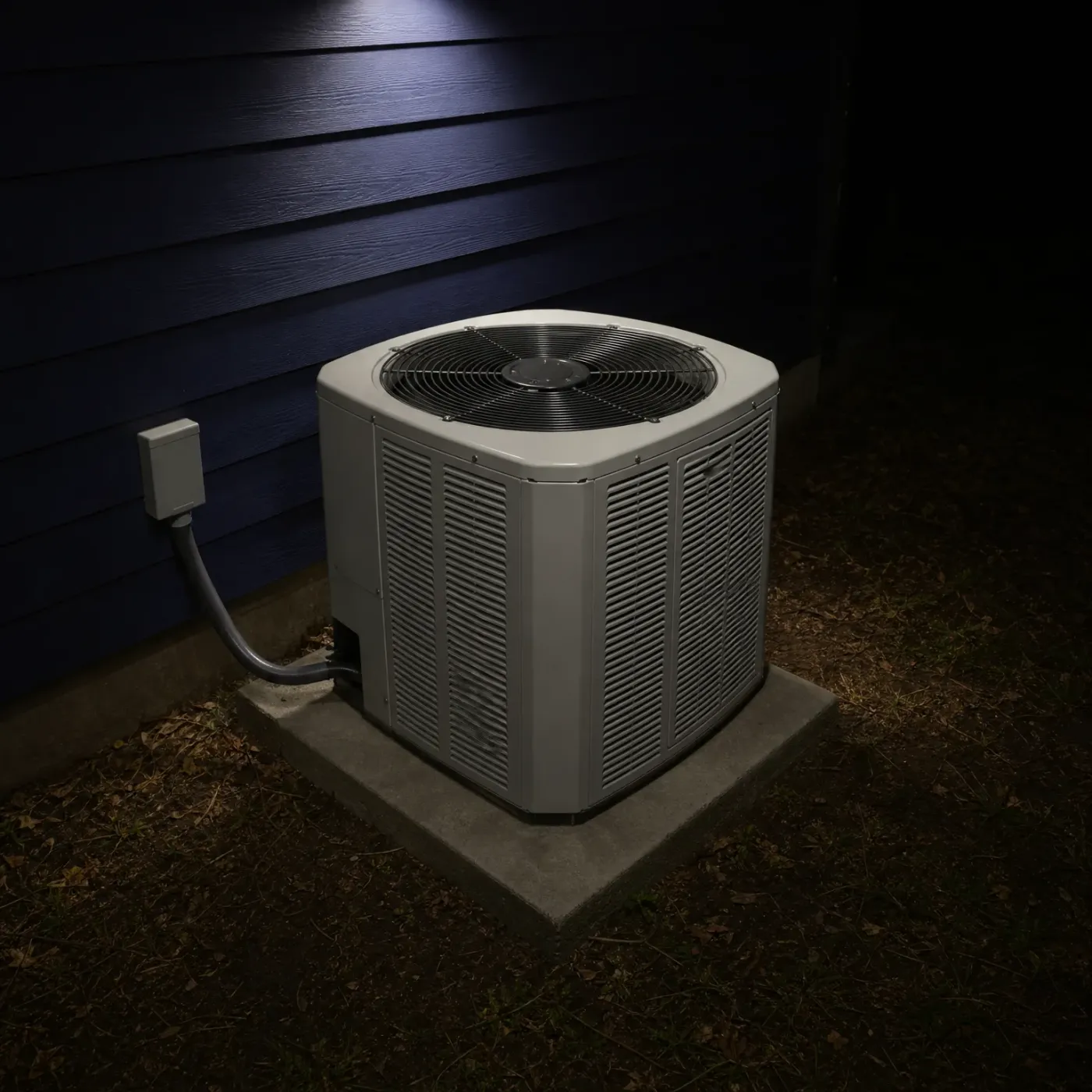
A gray outdoor condenser unit with a top fan grille sits on a concrete pad beside a dark blue horizontal lap-siding wall at night, with conduit running to a small wall-mounted disconnect box.

Heat pump

To heat your home here$1.79per 100,000 Btu

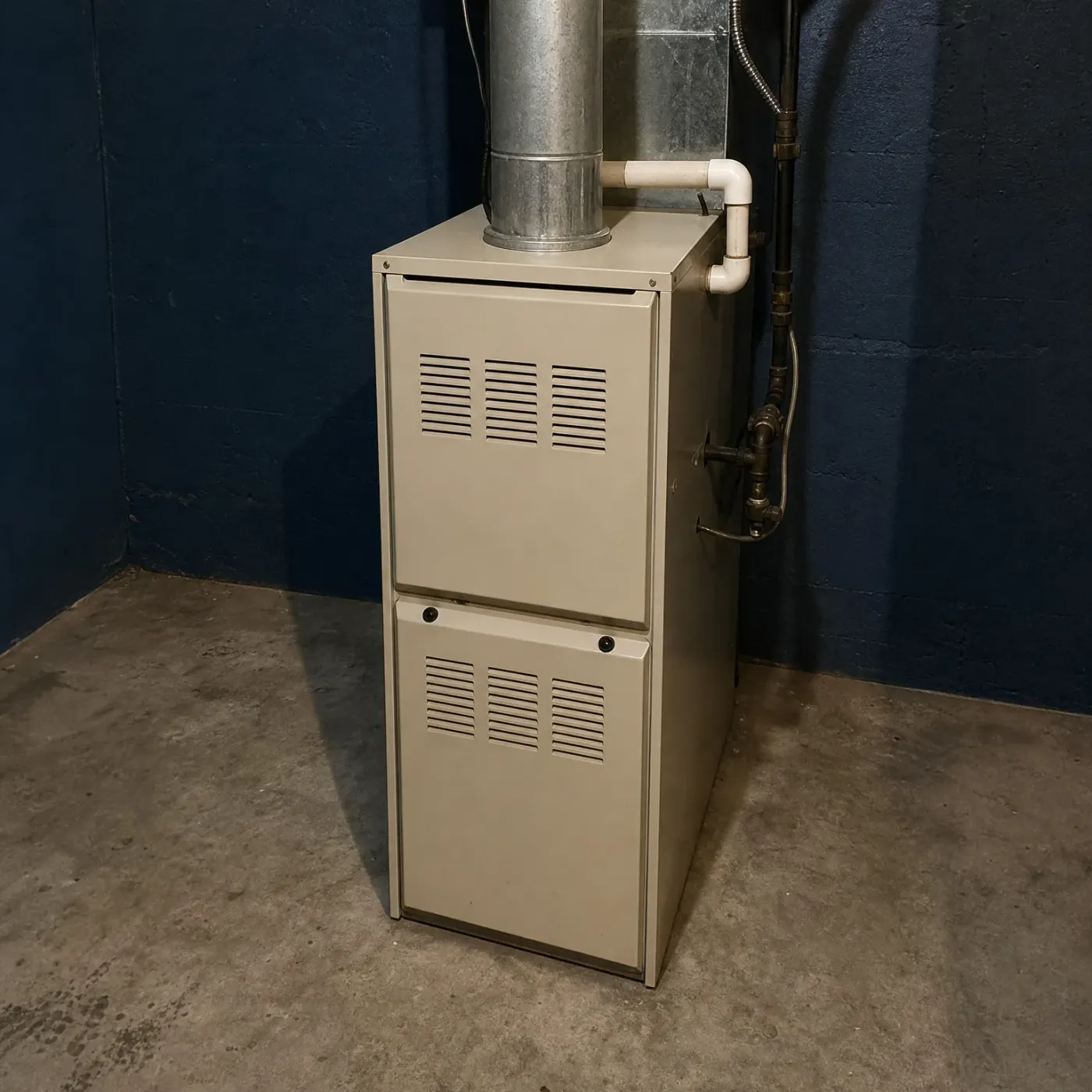
A beige residential furnace with two louvered access panels stands on a concrete floor against a dark blue painted block wall, with a metal flue duct, gas piping, and white PVC pipe above and beside it.

Furnace

To heat your home here$1.88per 100,000 Btu

At Mississippi's gas and electricity prices, a heat pump and a gas furnace cost about the same to run here.

Btu stands for British thermal unit, the standard measure of heat energy.

Where does a heat pump shine?

  • Made for mild winters

    Winter nights here average 40°F, which is mild enough that a heat pump can keep pulling heat from the outside air all season without much strain. It won't be fighting against real cold, just working steadily on nights that barely dip below room temperature.

    A navy blue clapboard house with a white-railed porch, light blue front door, wooden steps, boots and a doormat, a crate of evergreen branches with a plaid blanket, and potted dried plants, with patchy snow on the ground.
  • Covers a long cooling season

    Cooling runs May through October here. A heat pump is working that whole stretch, so it's worth having one built to handle the heat well, not just get through it.

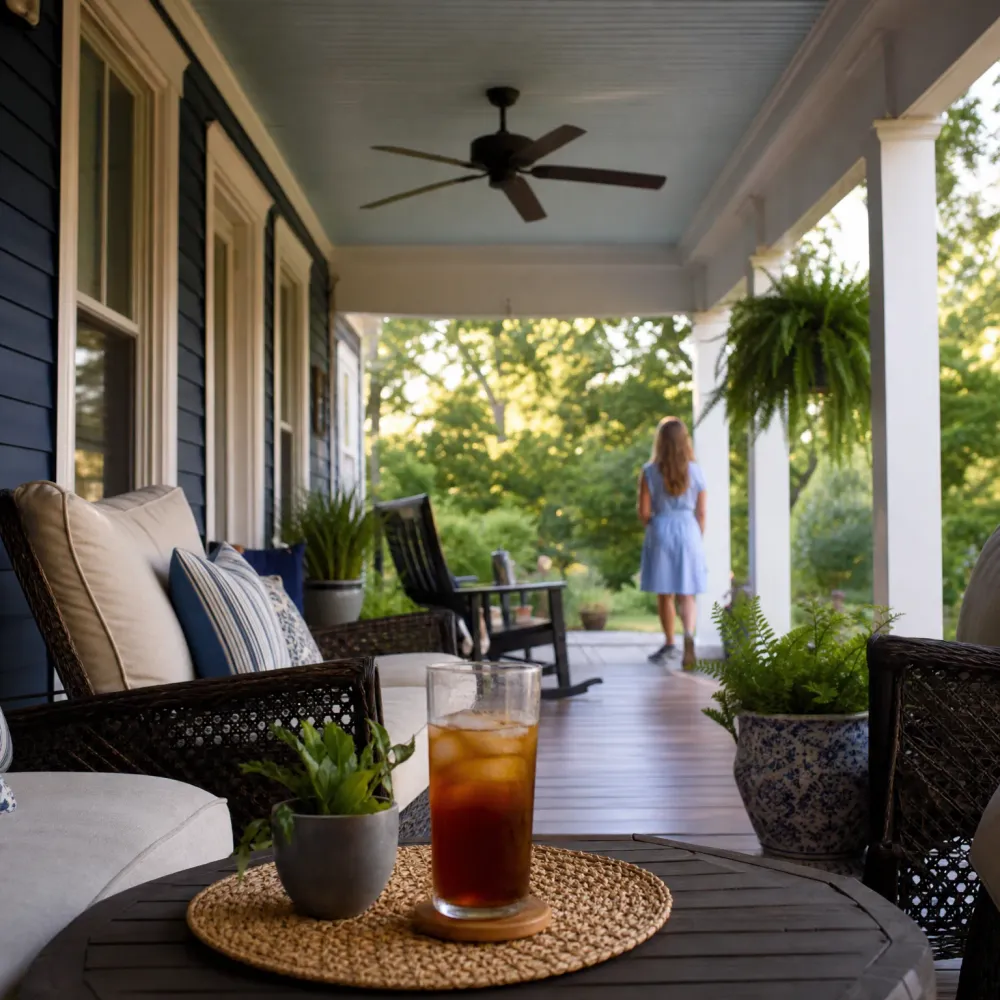
    Covered porch of a dark blue clapboard house with wicker chairs, a ceiling fan, potted ferns, and a tall glass of iced tea on a round table, with a woman in a light blue dress standing on the walkway beyond.
  • Heats and cools in one system

    A heat pump runs the same way all year. It pulls heat into the house in winter and pushes it out in summer.

    A living room with a beige sectional sofa, navy throw and pillows, a wooden coffee table holding a woven tray and plant, dark built-in shelving, and a large window with navy curtains overlooking a green garden.

Where does a furnace shine?

  • Fast, strong heat on demand

    Turn the heat up and the furnace answers right away. There's no long wait for the house to catch up.

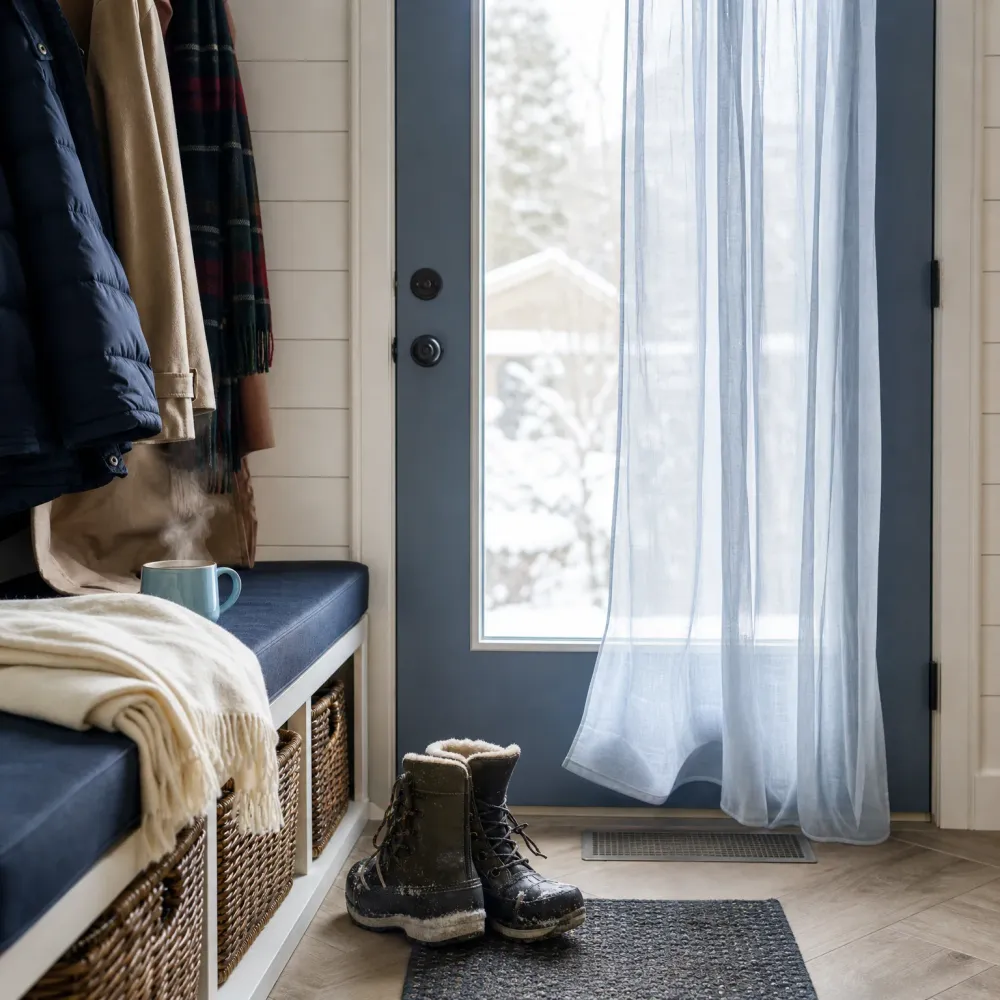
    A mudroom with a navy cushioned bench holding a cream throw, woven storage baskets beneath, a steaming mug, coats and a plaid scarf on hooks, and snowy boots on a gray mat beside a dark blue door with a sheer curtain and a snow-covered view outside.
  • Pairs with any central AC

    Most central air systems are built around a furnace. The two share the blower, the ducts and the thermostat.

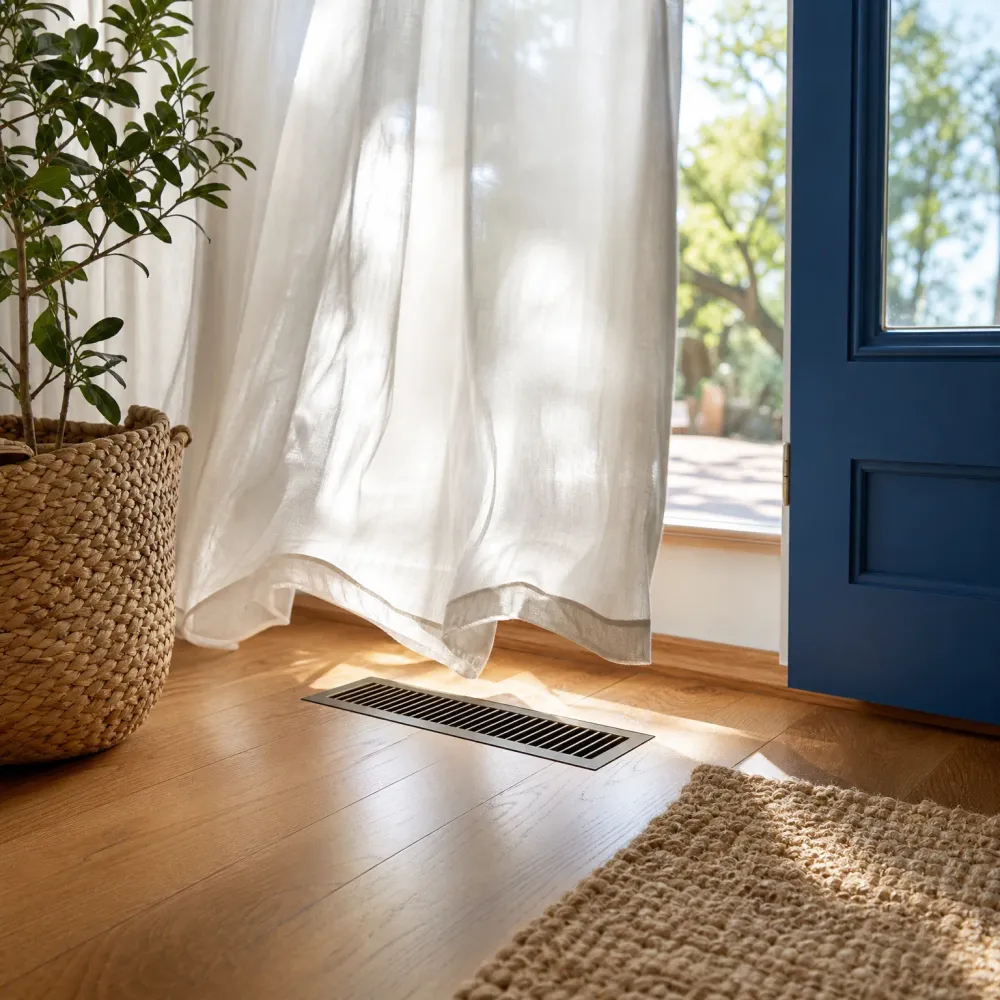
    A linear metal floor vent set in a wood plank floor near an open blue door, with a sheer white curtain, a woven basket holding a plant, and a woven rug.
  • Proven, simple, easy to get serviced

    Parts are easy to find and most repairs are routine. Getting one fixed rarely means waiting on a specialist.

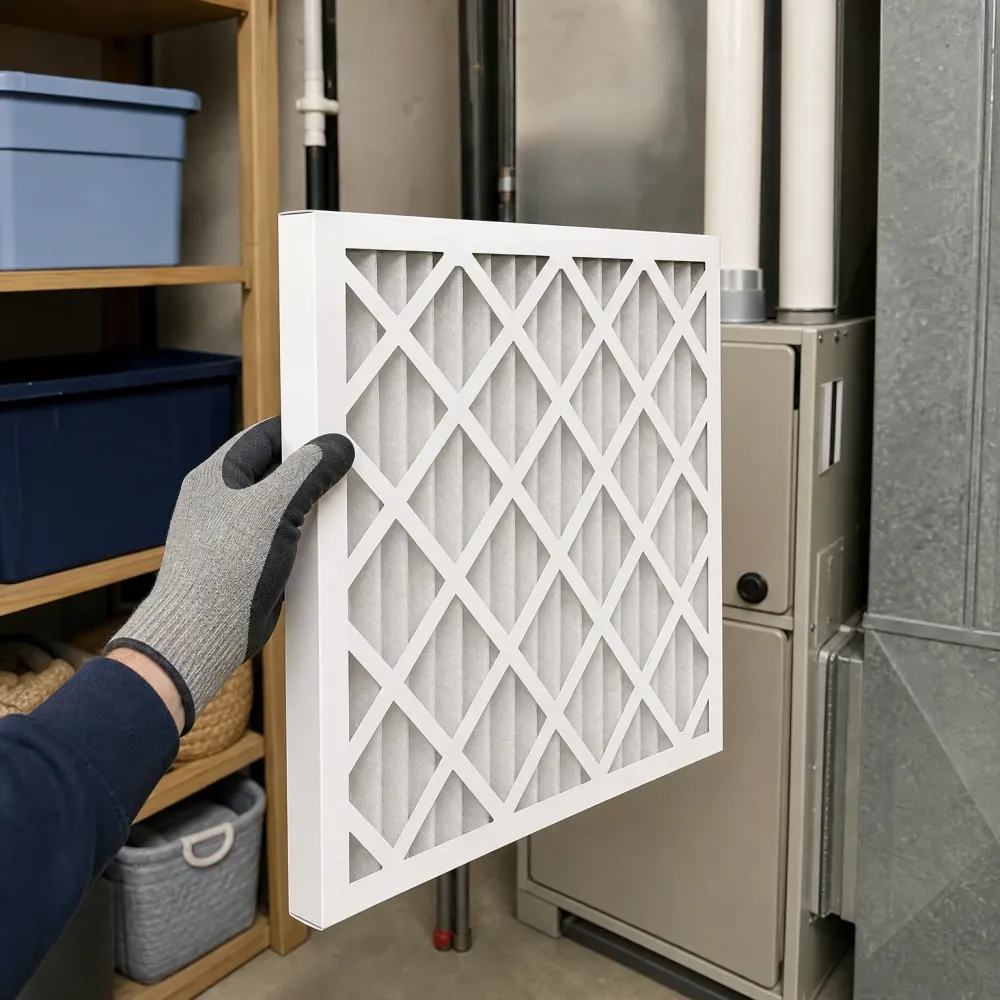
    A gloved hand holds a pleated air filter with a white cardboard frame in front of a furnace and ducting, beside shelving with plastic storage bins.

What this comes down to in Adams County

Winters here are mild. The overnight low averages 40 degrees across December, January and February, and heat only runs about five months, November through March. Nights at or below freezing happen, but only about 40 of them a year, under a third of the nights in that five-month stretch. That is the case for a heat pump. It is built to do its best work in weather that doesn't ask much of it, and that's most nights here.

A heat pump also costs a little less to run than a gas furnace at Mississippi's prices, $1.79 against $1.88 per 100,000 Btu. That's a small gap, close enough that it shouldn't be what decides this for you. The bigger difference is what else the machine does. A heat pump is a central air conditioner that also heats. A furnace only heats, which means for the seven months a year it isn't needed here, it does nothing, and you still need a separate air conditioner to get through summer.

Summer is the longer season in this county, six months of cooling against five of heat, with the afternoon high hitting 90 or above about 75 days a year. Whatever handles that has to carry it for longer than it carries winter heat. A heat pump is already that machine. A furnace never is.
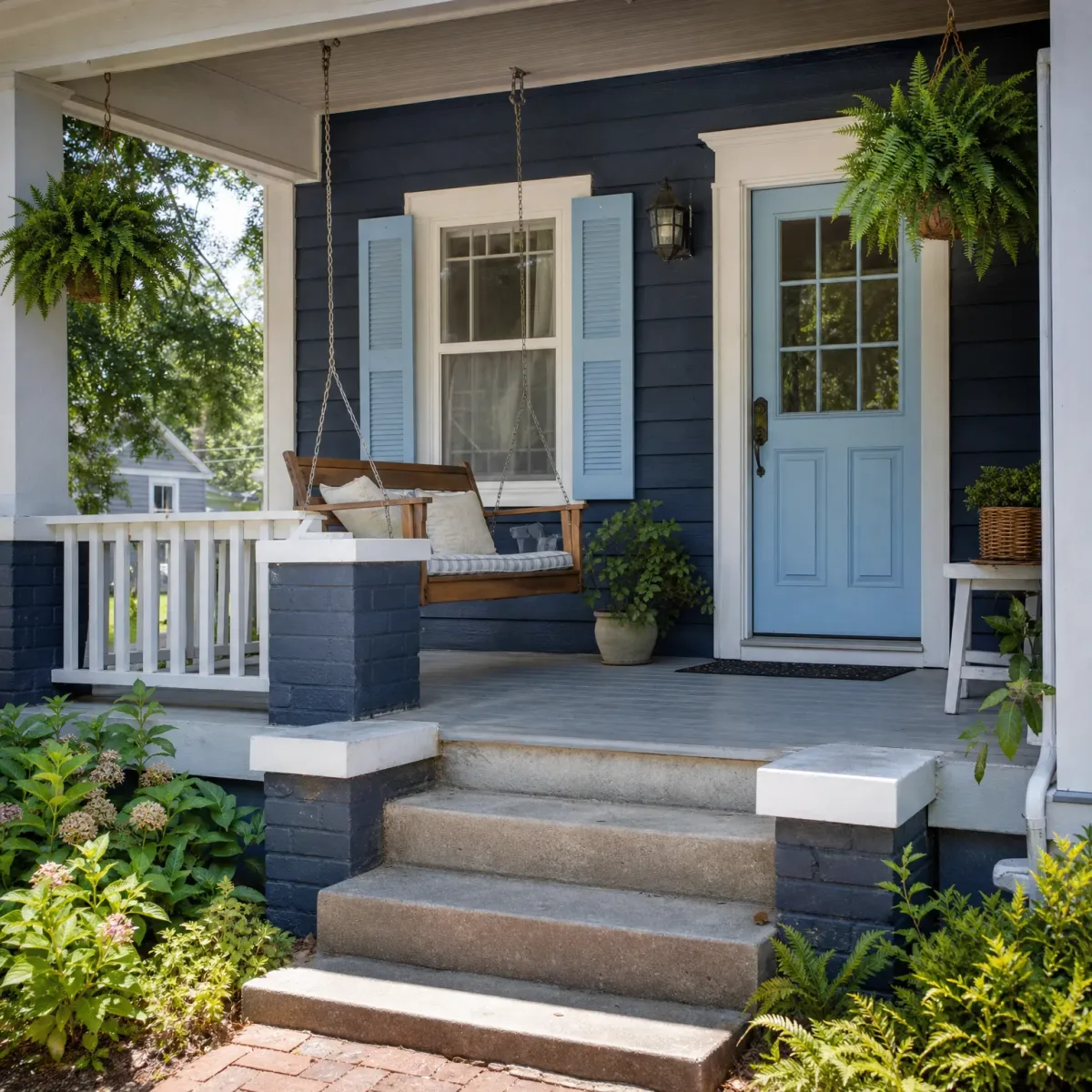
Front porch of a dark navy clapboard house with a light blue front door and shutters, a wooden hanging swing, hanging ferns, concrete steps with painted brick piers, and leafy shrubs in front.

What a furnace still has going for it

A gas furnace earns its keep on the coldest nights. It burns gas to make heat directly, so it doesn't slow down the way a heat pump can when the temperature drops, and it recovers a cold house faster. In this county that matters on maybe 40 nights a year, when the temperature falls to freezing or below.

Just over half the homes here heat with electricity already, and two in five heat with gas, so neither setup is unusual in this county. If a furnace is what you have, pairing it with central air is a proven setup, and servicing it is straightforward because so many homes nearby run the same thing.

Half the homes in Adams County were built in 1972 or earlier, so if your system came with the house or a prior owner installed it, it's worth finding out what you actually have before deciding whether to replace it with the same kind of system or switch.

Sources: NOAA nClimDiv · NOAA 1991–2020 seasonal normals · EIA SEDS 2024 · 10 CFR 430.32 · Census ACS 2020–2024

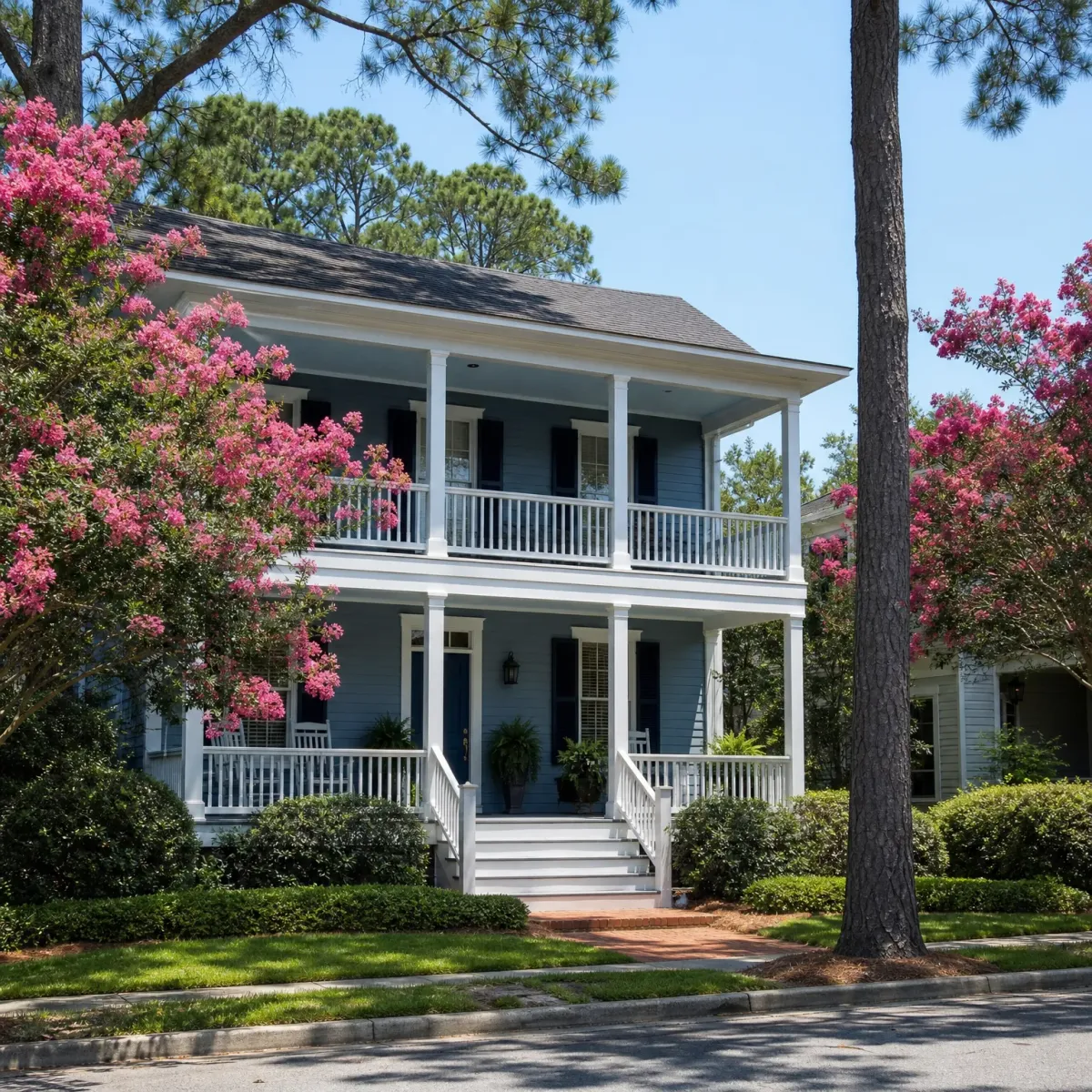
A two-story light blue house with white columns, double front porches and black shutters, flanked by pink-flowering crape myrtles and tall pine trees, seen from a street.

Common questions about heat pumps and furnaces

  • Will a heat pump keep my house cool enough here?

    Yes. A heat pump is a central air conditioner in the summer, same compressor and same refrigerant cycle, so it cools your house exactly as well as the AC half of any system here. Adams County afternoons average 91°F through June, July and August, and a heat pump built for this area is sized to handle that the same way a standalone AC would.

  • Can I keep my furnace and add a heat pump?

    Yes, and in Adams County that combination has an easy job to do. The heat pump handles the mild nights, which is most of them, and the furnace only has to step in on the roughly 40 nights a year that drop to freezing or below. Your gas line stays in use, and nothing about adding a heat pump means tearing out the furnace.

  • What if my house doesn't have a gas line?

    Without a gas line, your real choice is a heat pump or electric resistance heat, since a furnace would have to run on propane or oil instead of the natural gas these prices assume. A heat pump moves heat instead of generating it, so it uses a fraction of the electricity that resistance heat does for the same warmth. It also gives you central air for the six months a year Adams County runs cooling, which resistance heat doesn't.

  • Is a heat pump cheaper to run than a furnace in Adams County?

    Yes, slightly. At Mississippi's average prices, a heat pump runs $1.79 per 100,000 Btu of heat against $1.88 for a gas furnace. The gap is small, and it only accounts for the heat pump's own heat, nothing added for backup on the coldest nights.