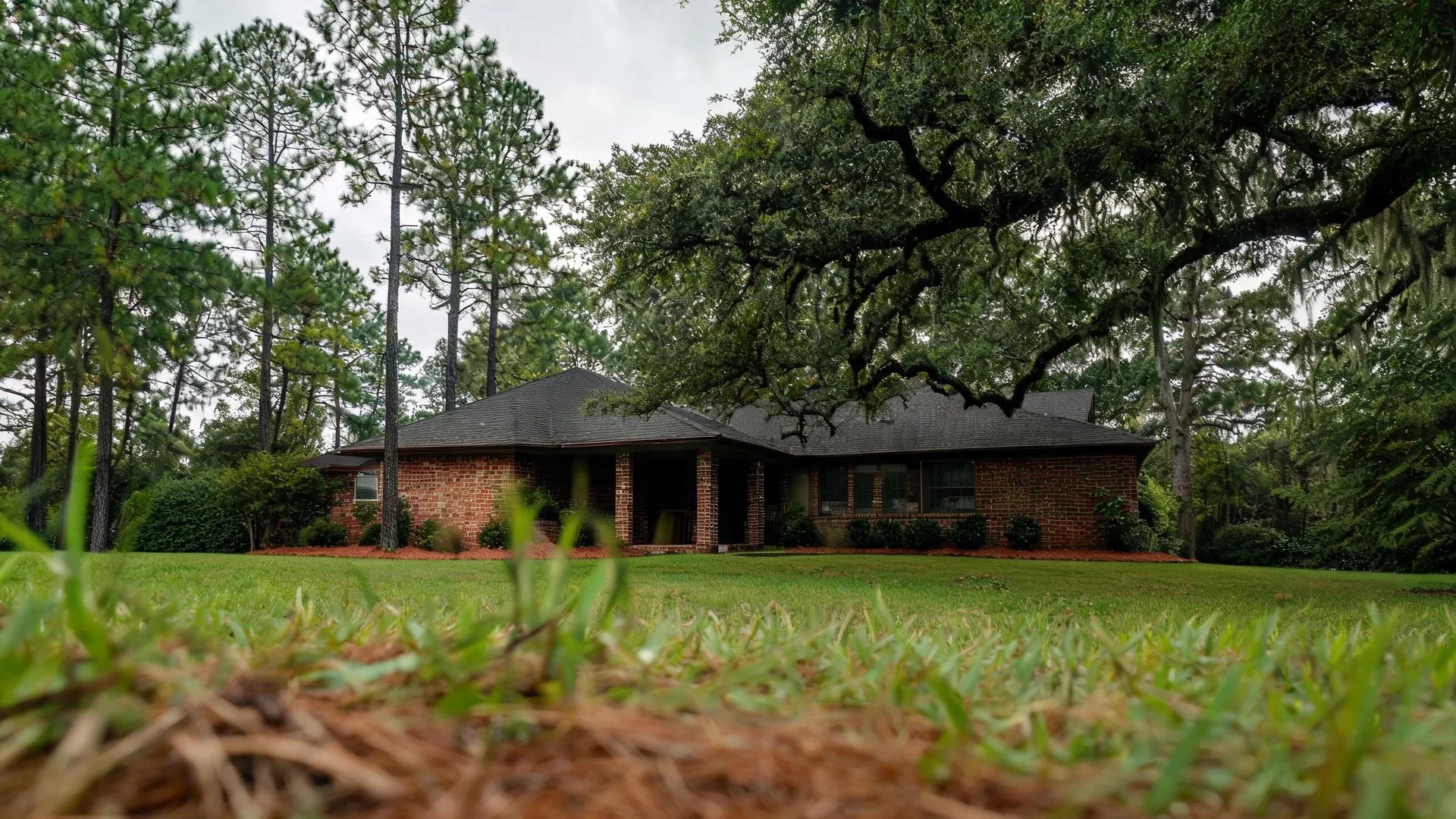





A single-story brick house with a dark shingled roof set behind a lawn, framed by pine trees and a large spreading oak, photographed from a low angle with blurred grass in the foreground.

Furnace Installation in Senatobia, MS

Tell us about the job

Takes about a minute. No obligation.

New system or replacementFurnace or heatingTate County, MS
Step 1 of 2

What ZIP code is the job in?

Most homes in Tate County heat with electricity, at 56.6 percent. Bottled or LP gas comes next at 26.4 percent, and utility gas covers 14.1 percent. If your home already runs on electric heat, a new electric furnace or heat pump is the straightforward swap, since the wiring already in place should still fit the new system. Homes on LP gas work the same way, matching the new furnace to the tank and line that are already there. Replacing what you have is usually simpler than switching fuels, since that would mean running new gas line or adding electrical capacity to the furnace.

5 months
November through March, your furnace is on duty
34°F
the average winter night it heats against
80% AFUE
the federal minimum any new unit must meet
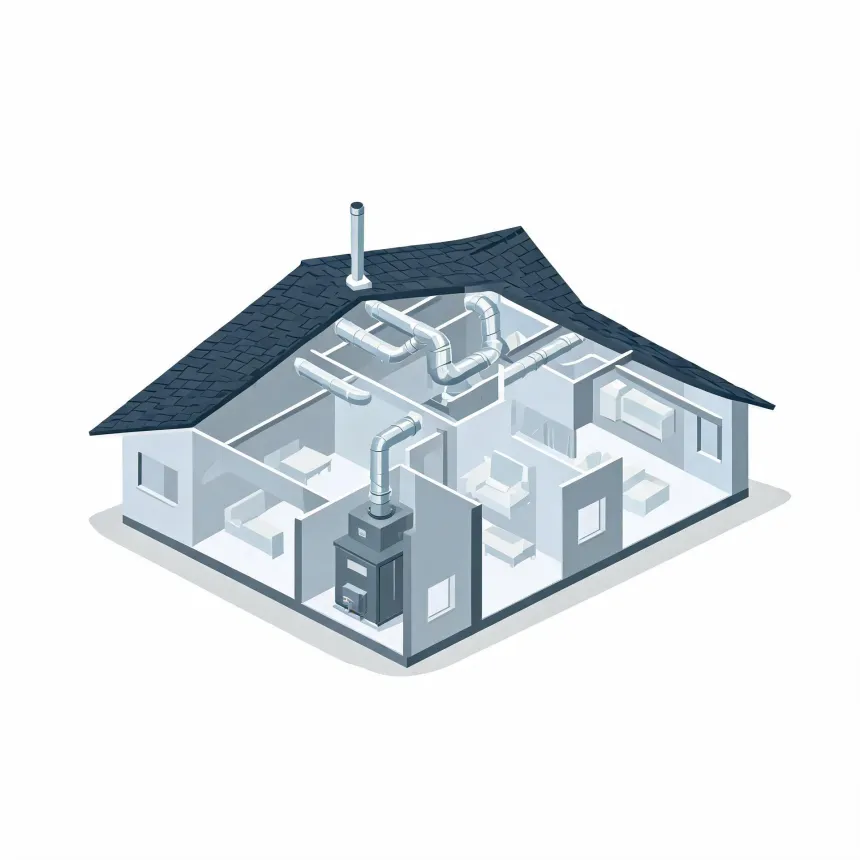
Isometric cutaway illustration of a single-story house showing interior rooms with furniture, a metal ductwork network, and a furnace unit connected to a vertical flue through the dark shingled roof.
Your furnace works hardest from November through March.

NOAA nClimDiv, 1991–2020 normals

Tate County logged 58 severe weather events between 2015 and 2024.

None of that changes what furnace this house needs. A standard size and efficiency rating does the job here.

October is the month to get it done, before November cold moves in

Heat runs November through March
Winter nights average 34°F
12 winter storms from 2015 to 2024

Furnace here runs about five months a year, November through March. Overnight lows average 34°F through December, January and February, so most nights the furnace is holding a house just above freezing, not fighting single digits. That's a moderate load for a furnace to carry. A standard system, sized right for this house, will keep up without strain. Winter storms do move through Tate County and the furnace needs to hold up when one hits, but it's not running flat out to do it.

A standard furnace fits this house

Electricity runs $39.26 per million Btu in Mississippi, and most Tate County homes already heat with it. A standard furnace sized right for this house handles the winter stretch ahead without paying for capacity this climate never asks for.

Find a contractor
A man in a cap, dark shirt and cargo pants, seen from behind, carries a canvas tool bag up wooden porch steps toward a blue front door.
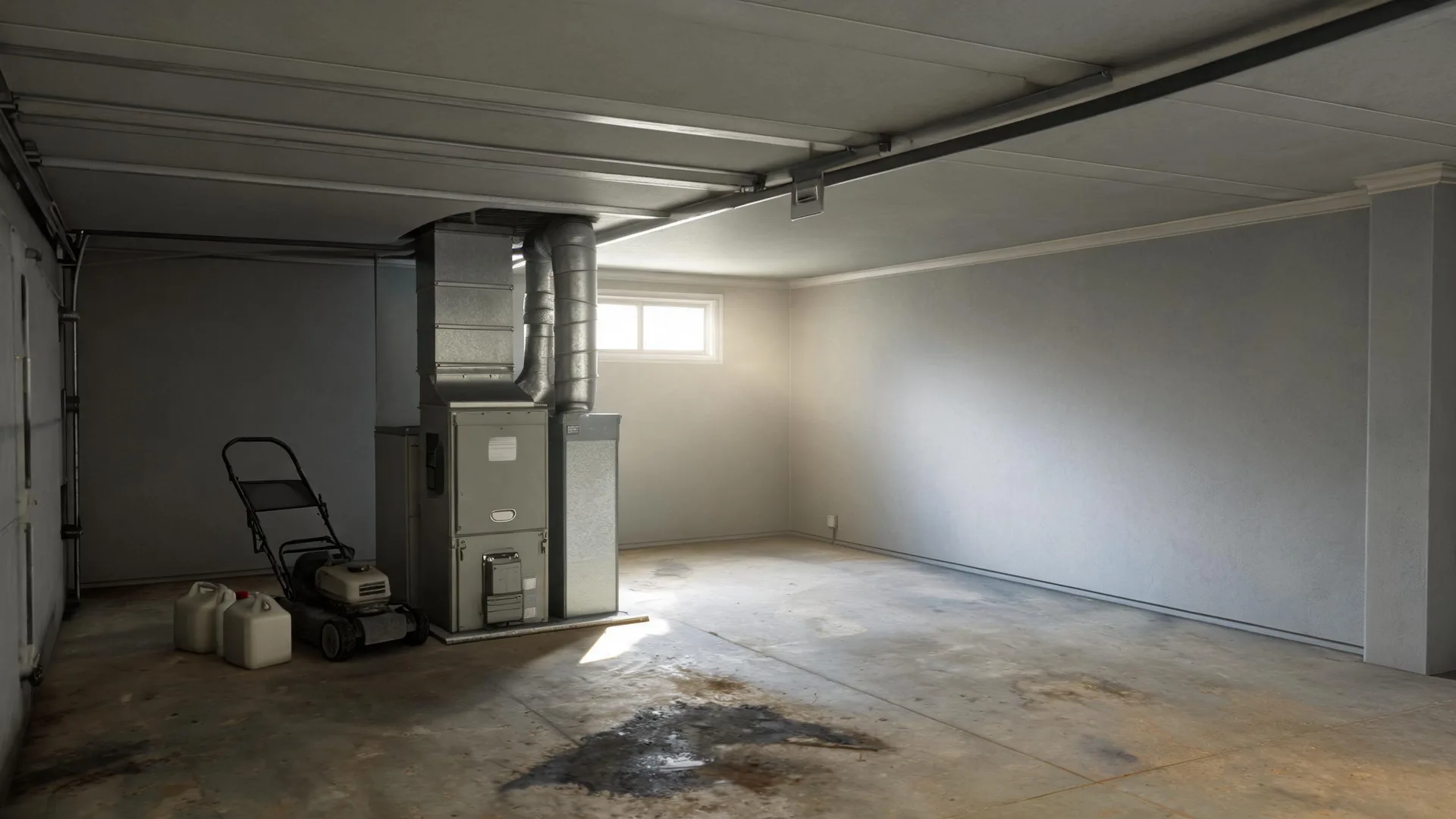
A gray gas furnace with attached ductwork and piping installed in an unfinished concrete basement.

Five months on, the rest of the year off

Five months of real work a year, and most of those nights only asking the furnace to hold the house a little above freezing. That's not a system fighting hard winters. Pick a standard furnace, sized right for this house, and skip the upgrades built for places where the furnace runs longer and colder.

Ask what size they calculated, not what size they're quoting

A contractor should walk the house, or ask enough about it, before naming a furnace size. Square footage alone doesn't tell you what a house needs. Insulation, window count and duct layout all change the number. If someone quotes a size before looking at any of that, they're guessing, and a furnace sized wrong either short-cycles or never quite keeps up.
Ask whether the ductwork was checked, not just the furnace swapped in

Ductwork is sized to move a certain amount of air, matched to whatever furnace was running before. A new furnace with a different airflow rating can push more air than that ductwork was built to carry, or too little to heat the house evenly. A contractor who checks the ducts before installing catches that mismatch before it becomes rooms that never quite warm up.

The calculation itself has a name, a Manual J load calculation, and it accounts for more than floor space. It looks at how many windows the house has and which way they face, how much insulation is in the attic and walls, the height of the ceilings, and how much air leaks in around doors and gaps. Houses that look alike from the street can still need different furnace sizes once all of that is counted. Oversizing causes its own problems, and it's not a safe bet to size up just in case. A furnace too big for the house heats the air fast, shuts off, and starts again a few minutes later, never running long enough to warm the place evenly or pull moisture out of the air properly. The right size runs longer, steadier cycles and wears less doing it.

Install day starts with the old furnace coming out, along with whatever vent pipe or flue connects to it, since most new units don't reuse that part. The gas line gets connected or capped off correctly, the ductwork gets tied into the plenum, and the electrical and thermostat wiring gets run to the new control board. Once it's in place, a tech checks the gas pressure, tests the ignition a few times, and watches the flame to make sure it's burning the way it should. Airflow gets checked too, confirming the blower is moving the amount of air that furnace is rated for, not more and not less. Last comes the walkthrough, where the contractor shows the new thermostat settings and points out the filter and where it lives, since that's the one thing the homeowner has to keep up with after everyone leaves.