






White plantation-style houses with wraparound porches lit at night, surrounded by Spanish moss-draped live oak trees.

Furnace Installation in Amory, MS

Tell us about the job

Takes about a minute. No obligation.

New system or replacementFurnace or heatingMonroe County, MS
Step 1 of 2

What ZIP code is the job in?

Monroe County saw 111 severe weather events between 2015 and 2024, most of it damaging wind. Any of that can knock out power, and a furnace with electronic ignition won't fire without it. Nearly a third of Mississippi households went at least a day without power in 2024. If you're installing new, ask the contractor about backup options so a cold snap and an outage don't land on the same day.

5 months
November through March, your furnace is on duty
35°F
the average winter night it heats against
80% AFUE
the federal minimum any new unit must meet
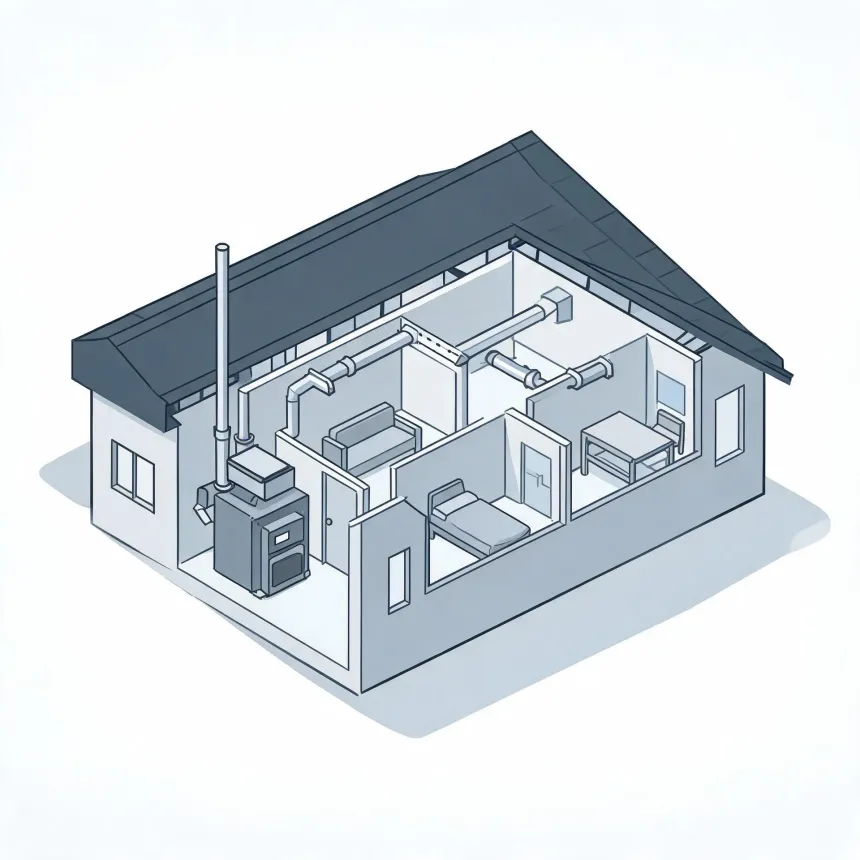
Isometric cutaway illustration of a single-story house showing interior rooms with furniture, overhead ducting, a flue pipe, and a furnace unit against an interior wall.
Your furnace works hardest from November through March.

NOAA nClimDiv, 1991–2020 normals

Furnace season starts here in November.

October is the month to get a new furnace installed, before the first cold night and the next outage test it.

A standard furnace, sized right, is all this county needs

Half the homes here were built by 1982
Heat runs November through March
Winter nights average 35°F
Five months of work a yearWinters in Monroe County average 35°F overnight. A standard furnace sized to the house handles that without strain.

Most homes in Monroe County heat with electricity, 63.1 percent. Gas heats another 23.7 percent, and bottled or LP gas covers 11.5 percent. If your home already runs on electric heat, replacing the furnace with another electric unit is the straightforward path, since the wiring is already in place for it. A gas furnace replaced with a gas furnace keeps the existing line and venting as they are. Switching fuels means new gas line work or new electrical circuits, so ask the contractor early if that's what you're considering.

A standard furnace, sized right, is what this county needs

Electricity runs $39.26 per million Btu in Mississippi. A standard furnace sized to the house is built for that cost and for a Monroe County winter, nothing bigger or more complex needed. Getting it installed before the cold settles in means it is tested and ready before the next outage lands on a cold night.

Find a contractor
A man in a cap, dark long-sleeve shirt and tan work pants climbs porch steps toward a blue front door, carrying a waxed canvas tool bag with tools visible inside.
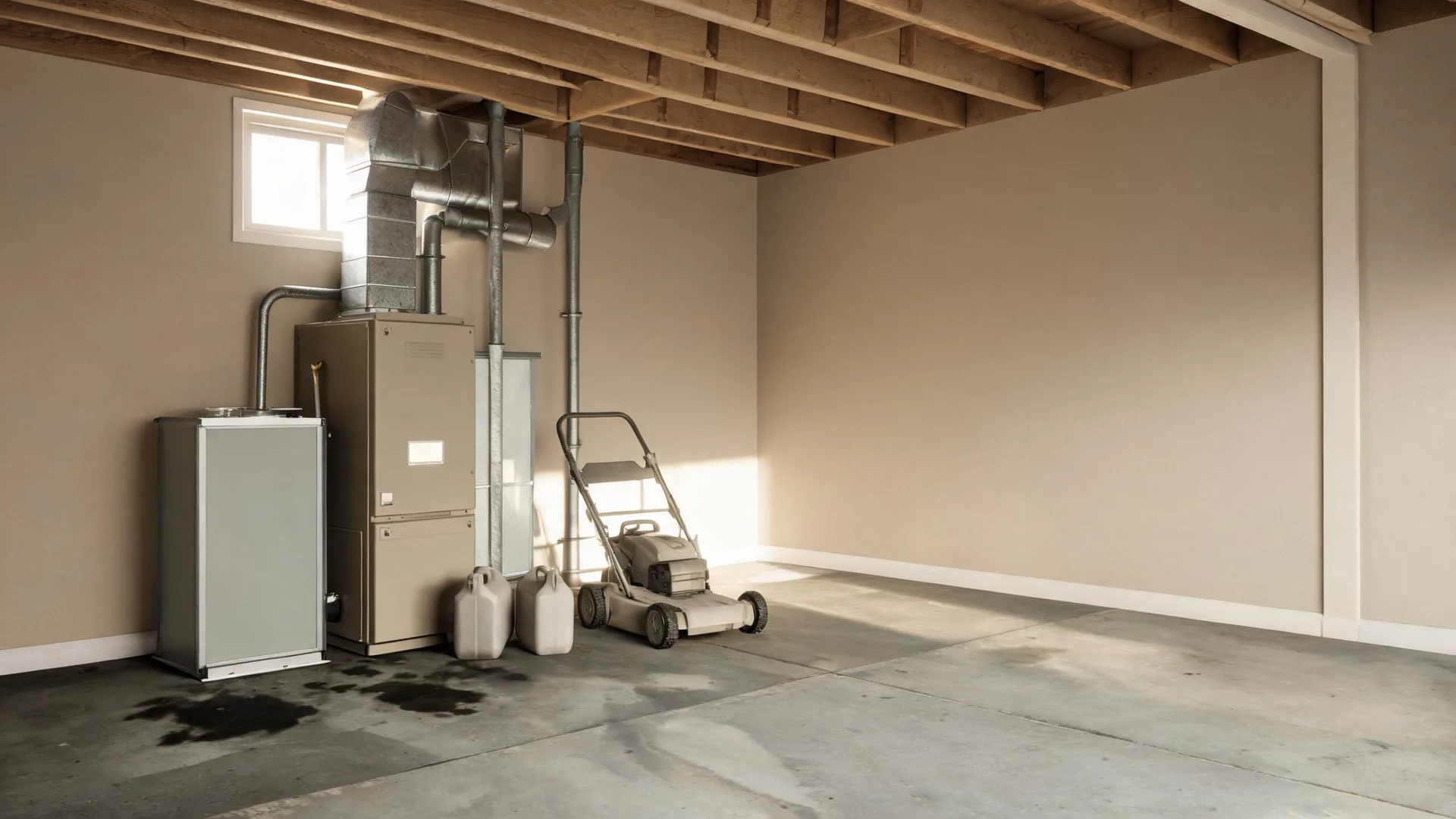
A gray gas furnace with attached ductwork and piping installed in an unfinished concrete basement.

What decides how long it lasts

A furnace lasts in years, not seasons, and most of that life is spent off. What shortens it is strain, not time. Short cycling from an oversized unit puts more wear on the igniter and the heat exchanger than years of normal, steady runs would. A unit that's sized right and maintained each fall, filter changed, burner checked, will run most of its years without a major repair. One that's wrong for the house from day one starts wearing out the parts that matter long before its time is up.

Size drives the cost, not the brand name

A furnace is priced by the size of the heat exchanger and blower it takes to warm the house, and that size comes from a load calculation, not a guess. A unit sized too big for the house costs more up front and cycles on and off instead of running steady. Paying for more capacity than the house needs doesn't buy comfort, it just buys a bigger price tag.
The ductwork decides what else is on the bill

If the existing ducts are the right size and in good shape, a contractor can connect the new furnace to them and the job stays simple. If the ducts are undersized, leaking, or were built for a different kind of system, modifying or sealing them adds to the job before the furnace itself ever gets installed. Venting works the same way. A furnace that vents differently from the old one means new vent pipe, not just a swap.

A load calculation is what tells the contractor what size furnace to install, not square footage alone. It weighs the walls, the windows, the insulation, the ceiling height, even which way the house faces, and works out how fast the place loses heat on the coldest night it sees. Skip that step and guess from square footage instead, and the furnace ends up wrong. A unit that's too small runs flat out all night and still can't hold the temperature. A unit that's too big blasts the house warm fast, shuts off, then cycles on and off instead of running a long steady stretch. That short cycling is hard on the igniter and the parts that start the burner each time, and it leaves the house swinging warmer and cooler instead of holding steady. The right size runs longer, gentler stretches, and that's what actually keeps a house comfortable through a cold night.

Installation day starts with the old furnace coming out. Along with it comes whatever vent pipe, gas line or wiring won't carry over to the new unit. Setting the new furnace in place is the fast part. Most of the day goes to connecting it properly. The contractor ties it into the ductwork, runs new vent pipe if the new furnace vents differently than the old one, makes the gas or electrical connections, and slopes the condensate drain if the furnace needs one. Once it's hooked up, the contractor fires it and checks the burner flame, the temperature rise through the plenum, and the airflow at the blower. A furnace that's wired and connected but hasn't been checked against its airflow and temperature rise isn't a finished job. It's just a furnace sitting where the old one used to be.