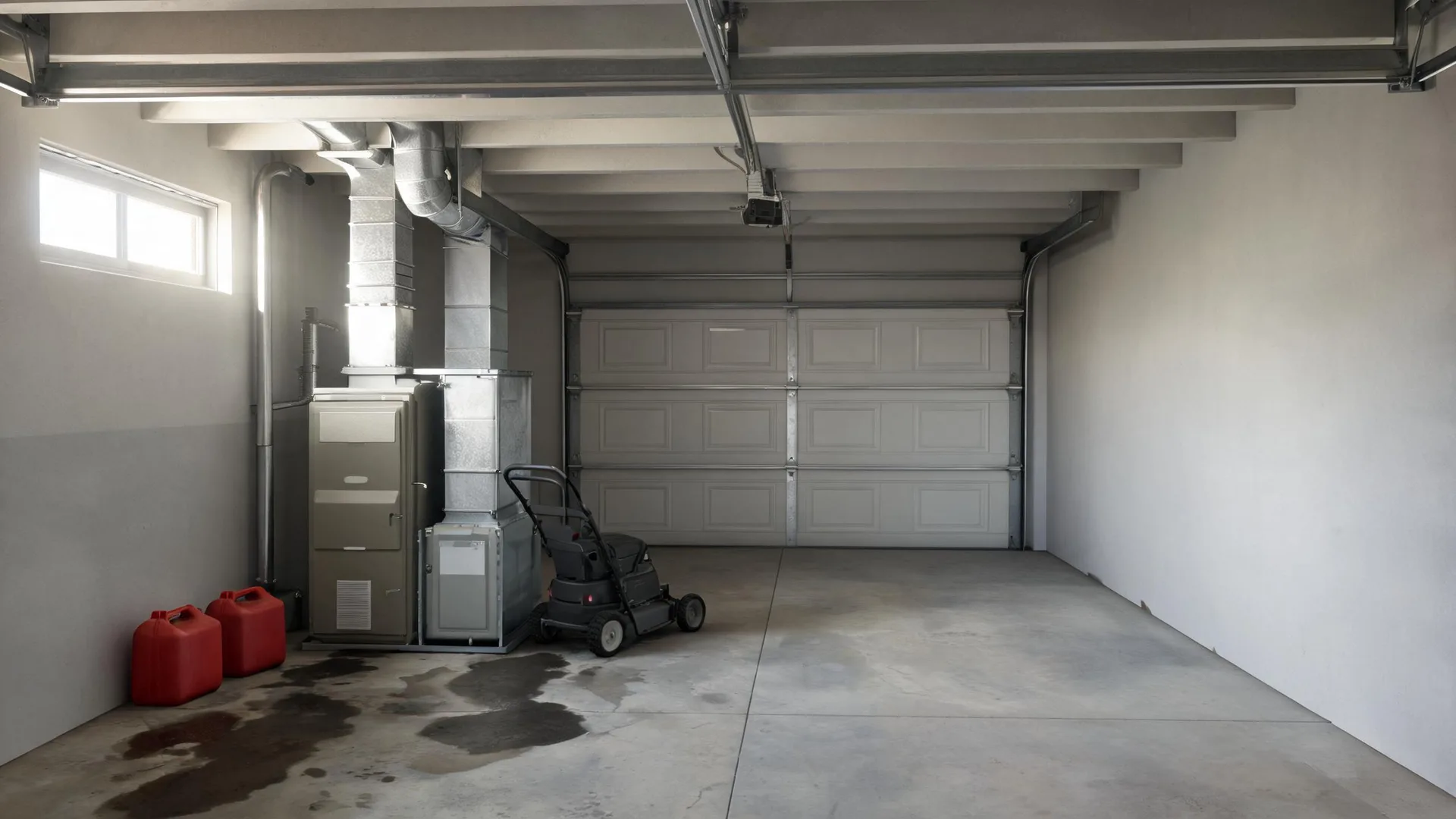
A gas furnace with sheet-metal ductwork and PVC pipes installed in an unfinished basement.

Furnace Installation in Philadelphia, MS

Tell us about the job

Takes about a minute. No obligation.

New system or replacementFurnace or heatingNeshoba County, MS
Step 1 of 2

What ZIP code is the job in?

Ask what size they're putting in, and why

A furnace that's too big cycles on and off instead of running steady, and that wears out the heat exchanger faster and leaves rooms uneven. The contractor should size it off a load calculation for your house, not just swap in whatever size is coming out.

Ask what happens to the ductwork

A new furnace moves air through the same ducts you already have. If those ducts are undersized or leaky, the new unit will struggle no matter how good it is. Find out if they're planning to test or adjust the ducts, or just hooking up to what's there.

5 months
November through March, your furnace is on duty
36°F
the average winter night it heats against
80% AFUE
the federal minimum any new unit must meet
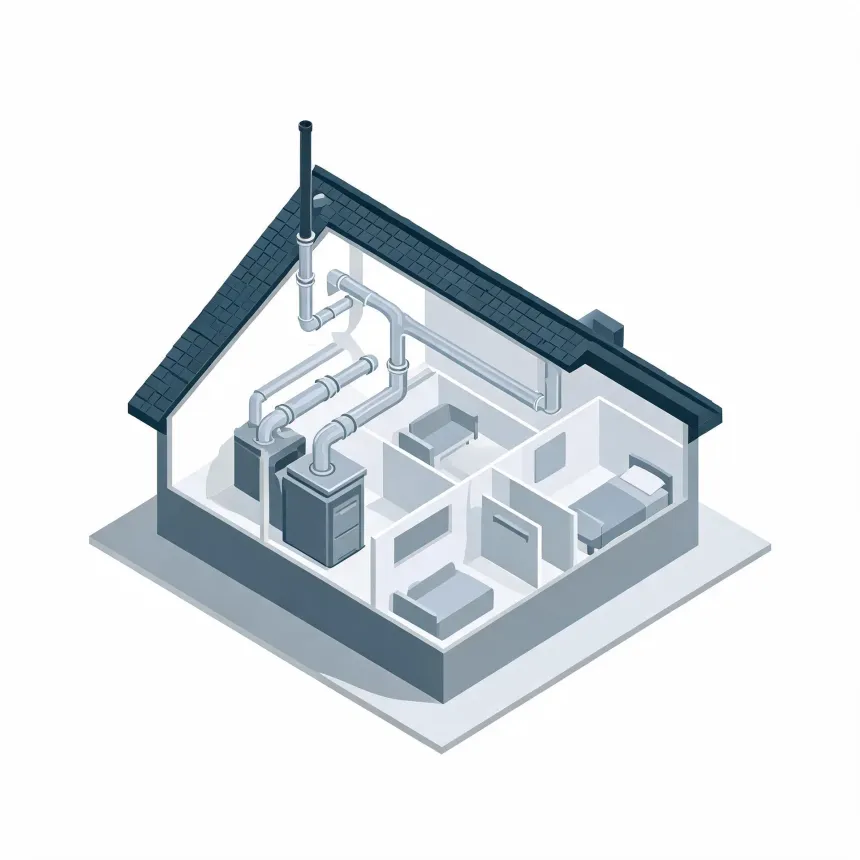
Isometric illustration of a cutaway house showing a furnace unit with ductwork and a flue pipe running through the interior rooms, which contain simple furniture.
Your furnace works hardest from November through March.

NOAA nClimDiv, 1991–2020 normals

Half the homes in Neshoba County were built in 1985 or earlier, half in 1985 or later.

Neither age calls for anything but a standard furnace sized off a load calculation for your house.

Most homes here run on electricity, and that is what a furnace swap should match

61.3% of homes heat with electricity
Heat runs November through March
Winter nights average 36°F
Get it done before NovemberHeat runs November through March here, about five months a year.

Electricity here runs $39.26 per million Btu, cheaper than most of the country. That changes what's worth paying for. A high-efficiency furnace costs more up front, and here it takes longer to earn that back in lower bills. A mid-efficiency model sized right for your house will run you less to buy and still keep the place warm. Where the money matters more is fit and reliability, not the efficiency rating on the sticker.

A new furnace here has to clear 80 percent AFUE, nothing more

Any furnace installed here now has to hit at least 80 percent AFUE. That's the federal minimum, and it holds until December 2028, when new units have to reach 95 percent. A furnace bought today only has to meet today's rule, so there's room to choose based on your house and your bills, not just the sticker.

Find a contractor
A man in a dark cap, dark shirt and tan work pants walks up wooden steps toward a blue front door, carrying a worn canvas tool bag in his right hand, with a potted shrub beside the entry.
A gray gas furnace with attached ductwork and piping installed in an unfinished concrete basement.

Five months of work a year

Five months of heat a year here, November through March, and overnight lows only average 36°F in the coldest stretch. That's not a hard pull for a furnace. It cycles on through those months and sits idle the rest of the year, so the wear adds up slower than it would somewhere colder. When something does go wrong, it's more likely age or a skipped filter change than the system being worked past what it can take. That still leaves sizing. A furnace matched to your house will run fine for years here. One sized wrong wears out early no matter how light the duty is.

AFUE tells you what burns, not what heats

The AFUE number is how much of the fuel a furnace burns actually turns into heat in the house, versus going out the flue. It says nothing about whether the furnace is sized right or whether the ducts can move the air it produces. A high AFUE furnace paired with bad ductwork still heats the house unevenly.

The number is tested on a matched furnace, not a modified one

A furnace earns its AFUE rating with the blower and heat exchanger the manufacturer built it with. Swap in a cheaper blower motor, or size the unit wrong for the house, and the real performance can fall below what the sticker says. The rating only holds for the furnace installed the way it was built and tested.

Sizing a furnace comes down to a load calculation, not a tape measure on the old unit. A contractor works out how much heat the house loses through its walls, windows and roof, and sizes the furnace to replace that heat, not to overpower it. Square footage alone doesn't tell you that. Houses the same size can need different furnaces depending on insulation, window count and how the rooms are laid out. Go too big and the furnace blasts the house up to temperature fast, then shuts off, then kicks on again soon after. That short cycling puts more stress on the heat exchanger and the igniter than a long steady run does, and it leaves some rooms warm and others cold because the air never moves long enough to even out. Too small, and it runs constantly without catching up on the coldest days. The right size just runs long, steady cycles and heats the house evenly without strain.

Installation day starts with the old furnace coming out, and that's when a contractor can actually see the ductwork, the gas line and the vent instead of guessing from a brochure. Connecting to the existing gas line and electrical is usually straightforward, but the vent hookup matters more than it looks. A furnace has to vent exhaust to the outside safely, and the pipe size and routing have to match what the new unit needs, not just whatever was there before. Once it's connected, the contractor runs the furnace through a full cycle, checking that the burners light clean, the blower moves air the way it should, and the system reaches the temperature it's set for without tripping a safety switch. Before they leave, they should set the thermostat, walk through the filter location, and show you the shutoff in case you ever need it fast. A furnace installed right gets tested on the spot, not just bolted in and left running.