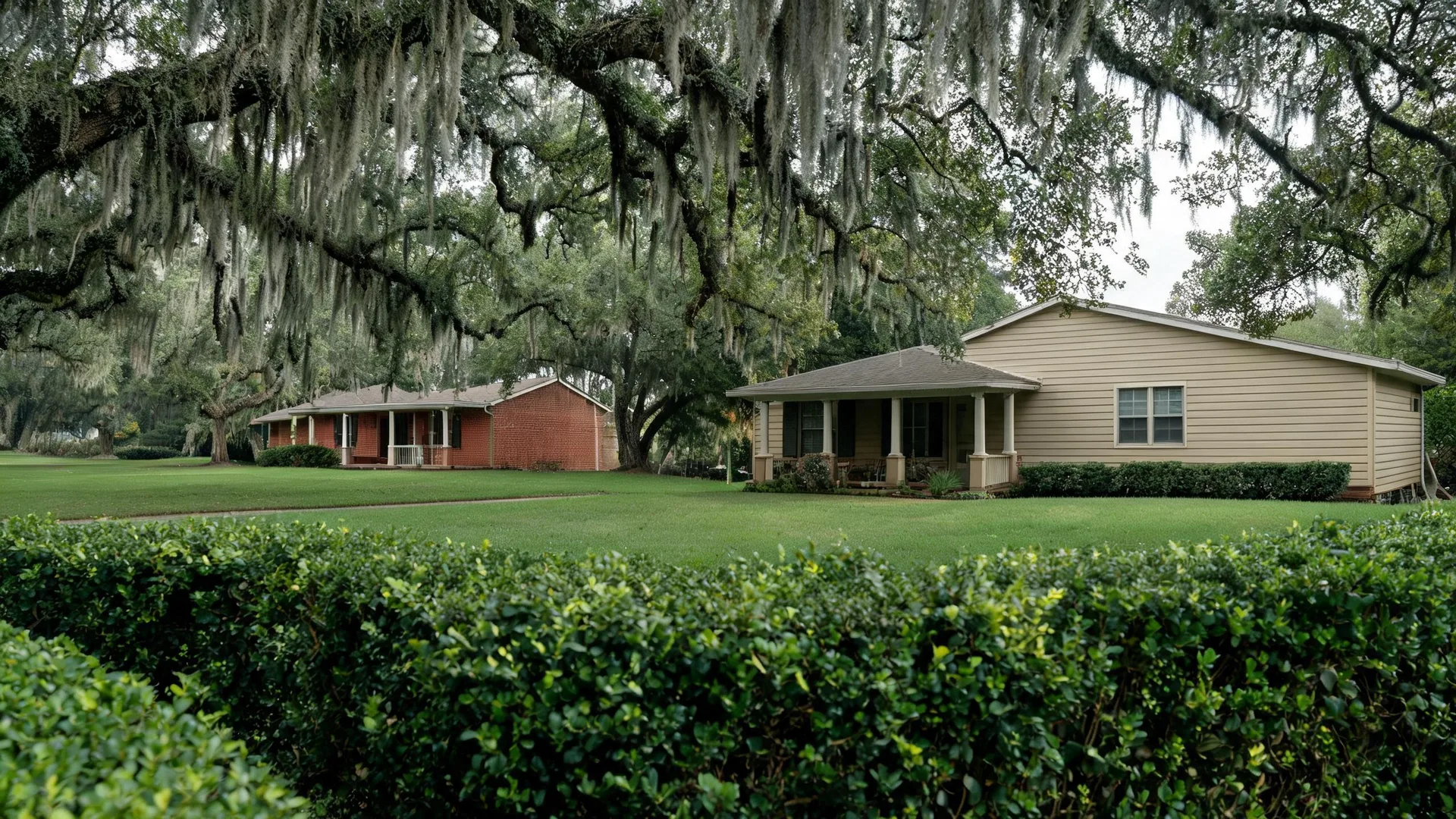




Single-story houses with beige siding and a brick building set on a mown lawn behind a trimmed hedge, framed by large oak branches draped with Spanish moss.

Furnace Installation in Columbia, MS

Tell us about the job

Takes about a minute. No obligation.

New system or replacementFurnace or heatingMarion County, MS
Step 1 of 2

What ZIP code is the job in?

Electricity in Mississippi runs cheaper than in most of the country, at $39.26 per million Btu. That changes what's worth paying for in a new furnace. A high-efficiency model still costs less to run, but the extra you'd pay upfront takes longer to earn back here than it would somewhere with pricier power. So the better question for Columbia isn't which furnace sips the least gas or electricity. It's which one keeps running when a storm knocks the power out, and fits the ductwork and gas line already in your house. A contractor who knows the area can tell you which models hold up here and which ones just look good on a brochure.

5 months
November through March, your furnace is on duty
40°F
the average winter night it heats against
80% AFUE
the federal minimum any new unit must meet
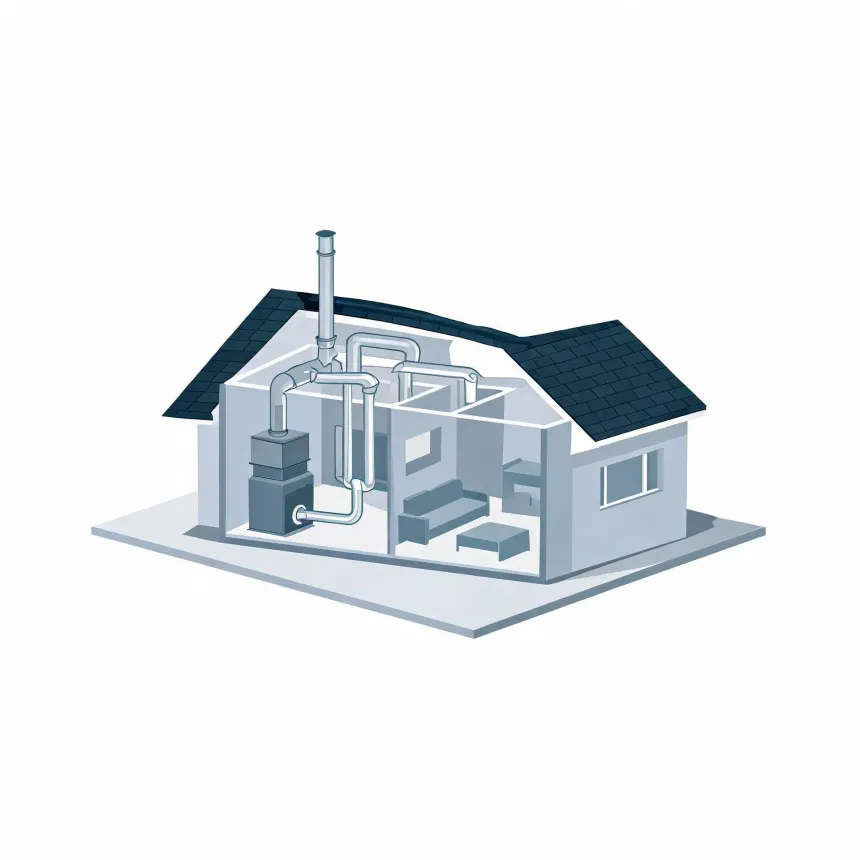
Isometric illustration of a cutaway single-story house showing a gray furnace unit, connected ductwork, and a vertical flue extending above the dark shingled roof.
Your furnace works hardest from November through February.

NOAA nClimDiv, 1991–2020 normals

Furnaces in Marion County run November through March.

Have a new furnace in before October ends, so install day isn't the first cold night of the year.

A standard furnace fits here. Nothing about this county calls for bigger or pricier

Half the homes here were built by 1980
Heat runs November through March
Winter nights average 40°F

Most homes in Marion County heat with electricity, 72.2% by the last count. Gas, whether piped in or delivered as propane, covers the rest. If your house already runs on electric heat, the straightforward move is an electric furnace or heat pump system to match what's there. If yours is one of the homes on utility gas or LP, swapping in another gas furnace means the gas line and venting already fit, no rework needed. Either way, matching what the house already has keeps the install simple and keeps the new furnace working with wiring or gas lines sized for what came before it.

Five months of mild cold is not a hard job

Furnaces here run November through March, and overnight lows average 40°F even in the coldest months. That's a light load. A well-built standard furnace handles it for years without strain. You don't need to pay for a top-tier efficiency model to get a system that holds up in Columbia.

Find a contractor
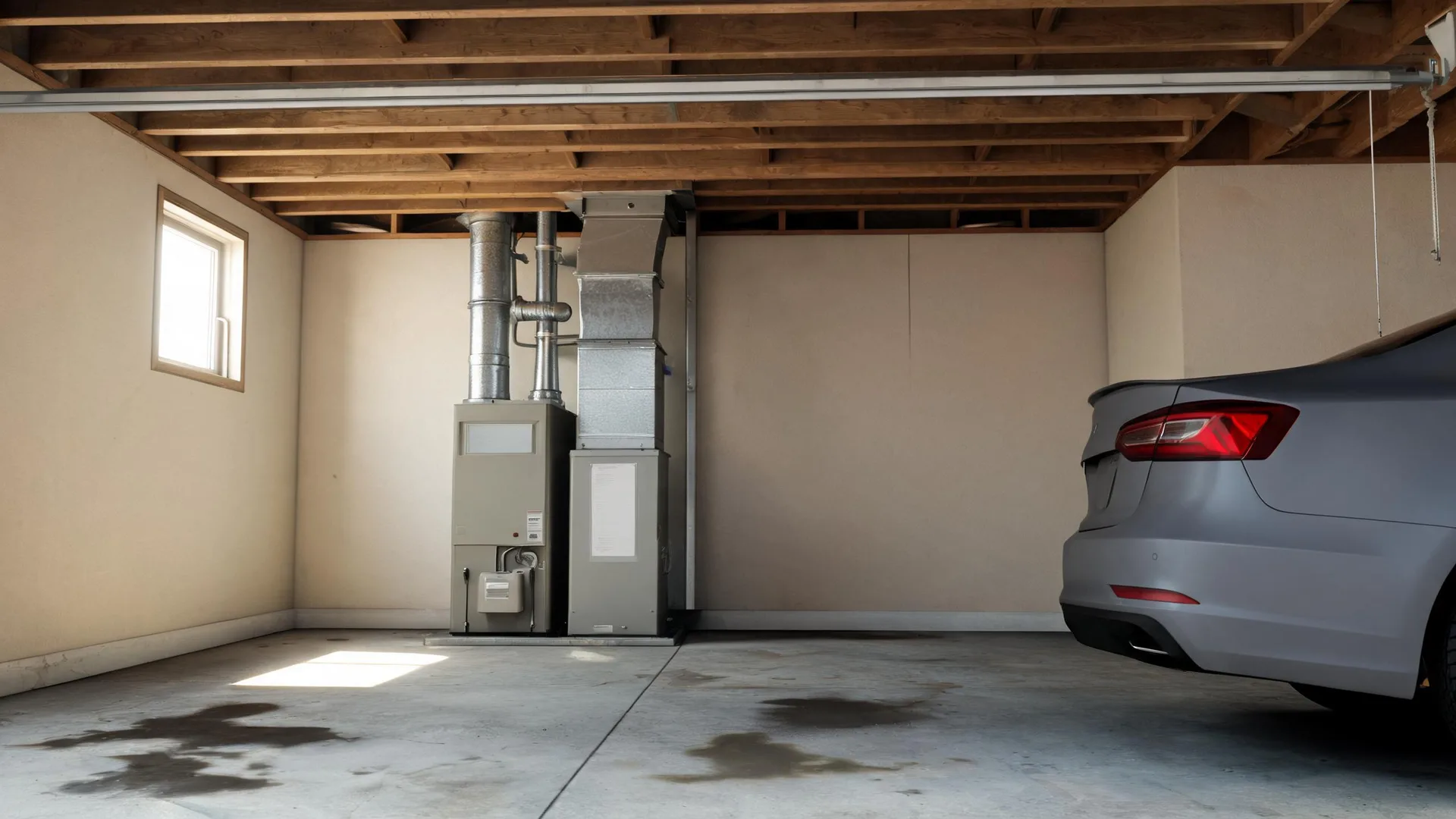
A gray residential gas furnace installed in an unfinished basement, surrounded by ductwork, a metal flue pipe, and a gas supply line.

A light schedule, most of the year off

Five months of real work, then the furnace sits idle the rest of the year. That kind of schedule is easy on a system, so put the money into a correct install instead of a bigger unit. Right-sized equipment, good duct connections, a clean gas or electrical hookup. That's what keeps a standard furnace trouble-free for years here, not extra capacity it will rarely use.

Ask what size the old furnace was, not just the new one

A contractor should run a load calculation on the house, not just match the number stamped on the unit being replaced. A furnace sized too big for the space cycles on and off more than it should, which wears the igniter and blower motor faster and leaves rooms uneven anyway.
Ask what happens to the warranty if someone else installs it

Most furnace warranties cover the heat exchanger and other parts, but they can be voided or shortened if the installer isn't licensed or doesn't register the unit properly. Get the warranty terms in writing before the install, not after, so there's no surprise if a part fails down the line.

That yellow sticker on the furnace, the AFUE number, tells you how much of the fuel it burns turns into heat in the house versus what goes out the flue. A furnace rated higher wastes less. That's the whole idea behind the number. It doesn't tell you how warm your house gets or how fast, and it says nothing about the blower or the ductwork moving that heat around once it's made. A furnace with a strong rating can still leave rooms uneven if the ducts feeding them are undersized or leaking. The rating is worth checking, but it's one line on the spec sheet, not the whole decision.

Installation starts with pulling the old furnace out, not setting the new one in. The crew disconnects the gas line or electrical circuit, detaches the duct connections, and removes the old cabinet before anything new goes in its place. Once the space is clear, the new furnace gets set, leveled, and connected back to the same ducts, the same gas or power line, and the vent or flue. Gas line pressure gets tested. Electrical connections get tightened. Duct joints get sealed. Before the crew leaves, the furnace runs through a full cycle so they can check the flame or heating element, the blower, and the temperature rise, not just confirm it powers on. A straightforward swap, where the new furnace matches what the old one used, goes faster than one where the gas line, venting, or ductwork needs rework to fit the new unit.