






A nighttime street scene featuring a row of lit white colonial-style houses with wrap-around porches, flanked by oak trees draped in Spanish moss.

Furnace Installation in Bay St. Louis, MS

Tell us about the job

Takes about a minute. No obligation.

New system or replacementFurnace or heatingHancock County, MS
Step 1 of 2

What ZIP code is the job in?

Almost every home in Hancock County heats with electricity, 89.1% of them. Gas furnaces are rare here, with utility gas and propane together heating under a tenth of homes. That makes an electric furnace or heat pump the straightforward choice for most installs in Bay St. Louis, since it matches what the home is already wired for. If your house falls into that small group already set up for gas, a contractor can size a gas furnace the same way, but for most homeowners here the electric route is the one that fits without extra work.

5 months
November through March, your furnace is on duty
43°F
the average winter night it heats against
80% AFUE
the federal minimum any new unit must meet
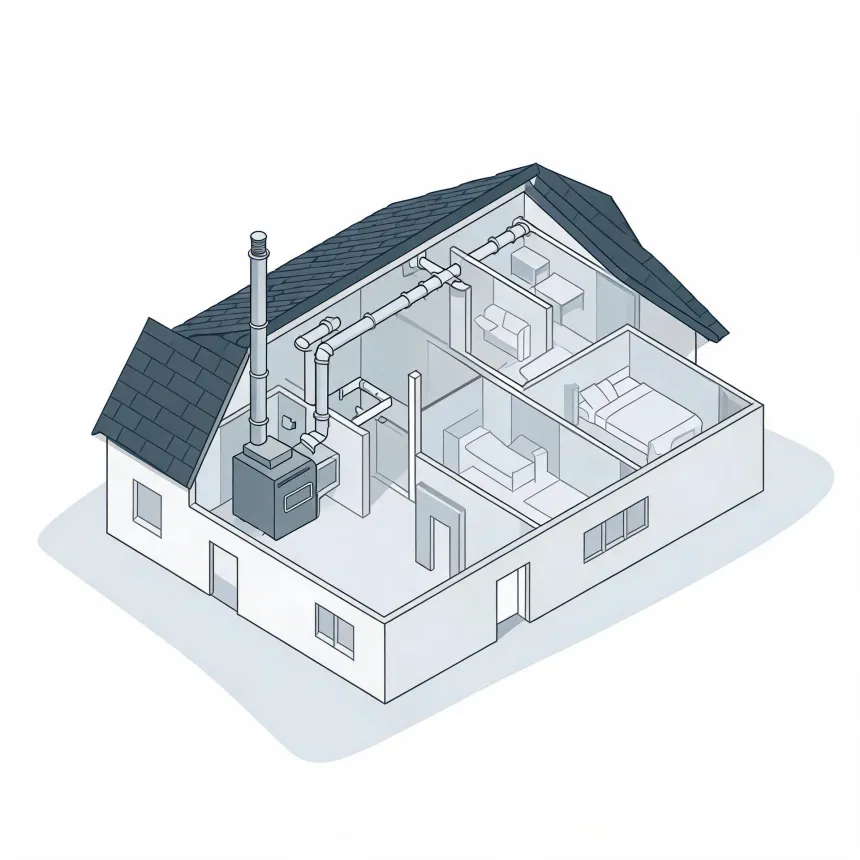
Isometric line illustration of a cutaway house showing interior rooms with furniture and a furnace with ducting and a flue pipe extending through the roof.
Your furnace works hardest from December through February.

NOAA nClimDiv, 1991–2020 normals

Electricity in Mississippi runs $39.26 per million Btu, below the national average.

A high-efficiency furnace costs more up front and takes longer to earn that back here, so pick one for how well it holds up.

Five months of heat, so October is when to put in the new furnace

Heat runs November through March
Winter nights average 43°F
Climate zone 2A
A furnace with an easy jobWinter lows average 43°F, and heat runs five months a year here.

Since a high-efficiency model will not pay for itself quickly on a Mississippi power bill, let a contractor steer you toward the furnace with the better track record instead of the higher rating on the sticker. Ask how long the unit has been on the market and what its parts availability looks like, because that matters more over the life of the furnace than a small gain in efficiency. A furnace that is easy to service when something goes wrong will save you more than one that shaves a few dollars off a monthly bill. If you do want the efficiency bump, a heat pump still makes sense here for the cooling side of the year, but choose the furnace itself on reliability first.

Go with the standard fit

A standard size and efficiency fit fine here. There's no local reason to go bigger or pricier.

Find a contractor
A man in a dark long-sleeved shirt and tan work pants, seen from behind, carries a canvas tool bag up porch steps toward a blue paneled front door of a house with light lap siding and a potted flowering plant.
A gray residential gas furnace installed in an unfinished basement, connected to sheet-metal ductwork and PVC pipes.

Five months of work a year

This furnace works five months a year, November through March, and sits idle the rest of the time. That kind of schedule is easy on a machine. When a furnace here breaks down, it's rarely from overuse. More likely it's age, or a part that never got serviced.

Disconnecting it comes first

A contractor shuts off power to the old furnace and disconnects it from the gas line or the electric circuit feeding it. If it burns gas, the vent connection and gas line get capped off properly, not just loosened. Skipping that step is how leaks and carbon monoxide problems start in a house that no longer has a working furnace to warn anyone.
Where the old unit goes

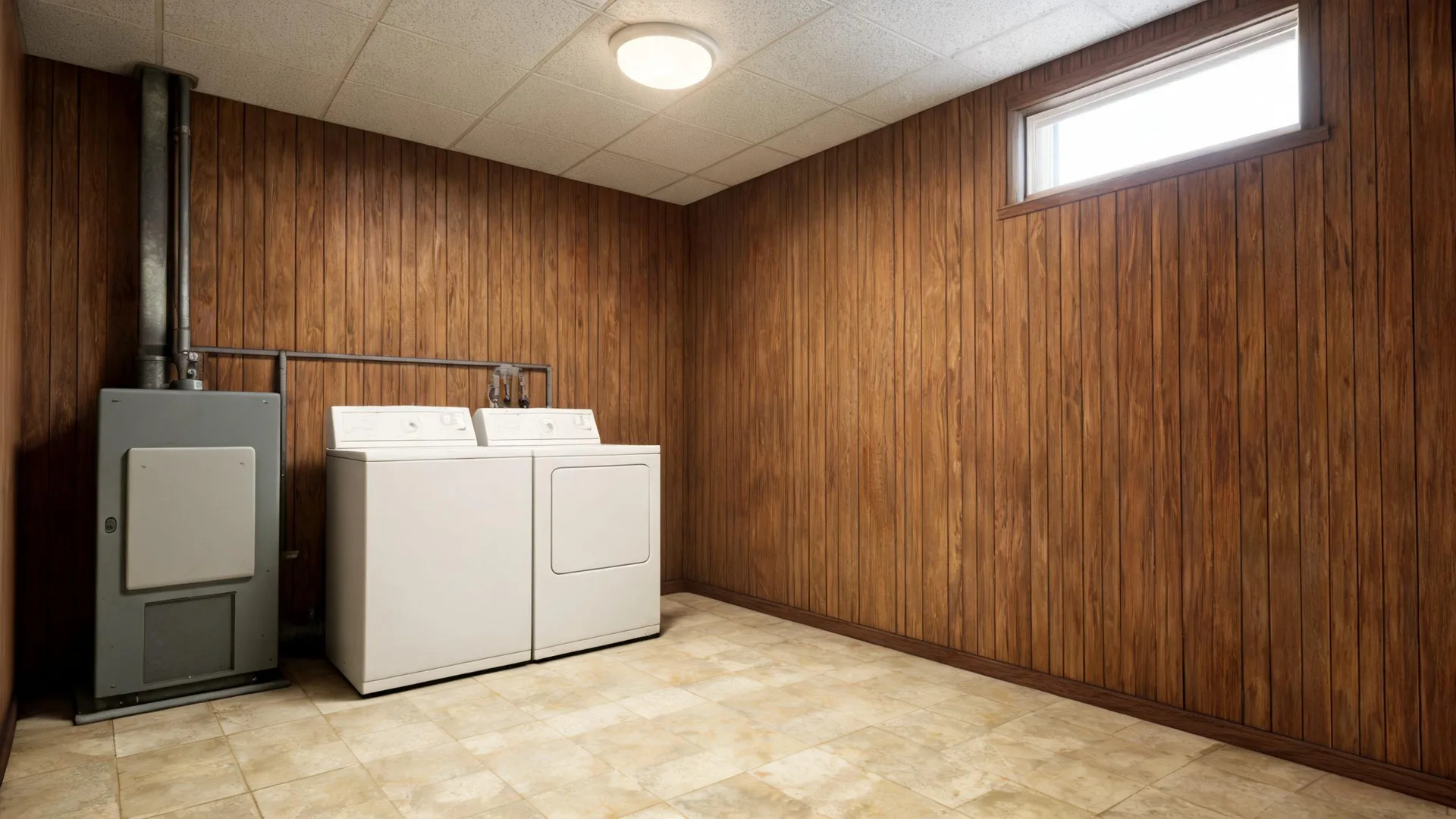
Most of what's inside a furnace is metal, and scrap haulers take it for that reason. The cabinet, the heat exchanger, the blower motor get pulled out as one unit or broken down on site, depending on how tight the space is. Hauling it out is part of the same visit as putting the new one in.

A few questions tell you more than any spec sheet. Ask what size the contractor is proposing and how they arrived at it, since a load calculation based on your home beats a guess based on the old unit's size. Ask what the warranty covers on the parts versus the labor, because those often run different lengths, and a long parts warranty means nothing if labor isn't included. Ask how the new unit will be matched to your existing ductwork, since a furnace moving more air than the ducts were built for runs loud and wears faster. Ask what maintenance the manufacturer requires to keep the warranty valid, and get that in writing. The contractor who answers these without hesitation is the one who does this work often.

Installation day starts with the old unit already gone or coming out that morning, then the new furnace gets set in place and leveled before anything gets connected. Electrical goes first, then the ductwork gets tied in, with the plenum sealed so air isn't leaking out before it reaches the vents. A contractor checks the airflow across the coil and the temperature rise through the furnace, because a reading outside the range on the nameplate means something upstream or downstream needs adjusting, not the furnace itself. The system gets cycled through a full heating run before anyone leaves, watching for a clean ignition, steady flame, and a blower that ramps up and shuts off the way it's supposed to. Expect a few hours of work and a walkthrough on the thermostat and the filter location before the crew packs up.