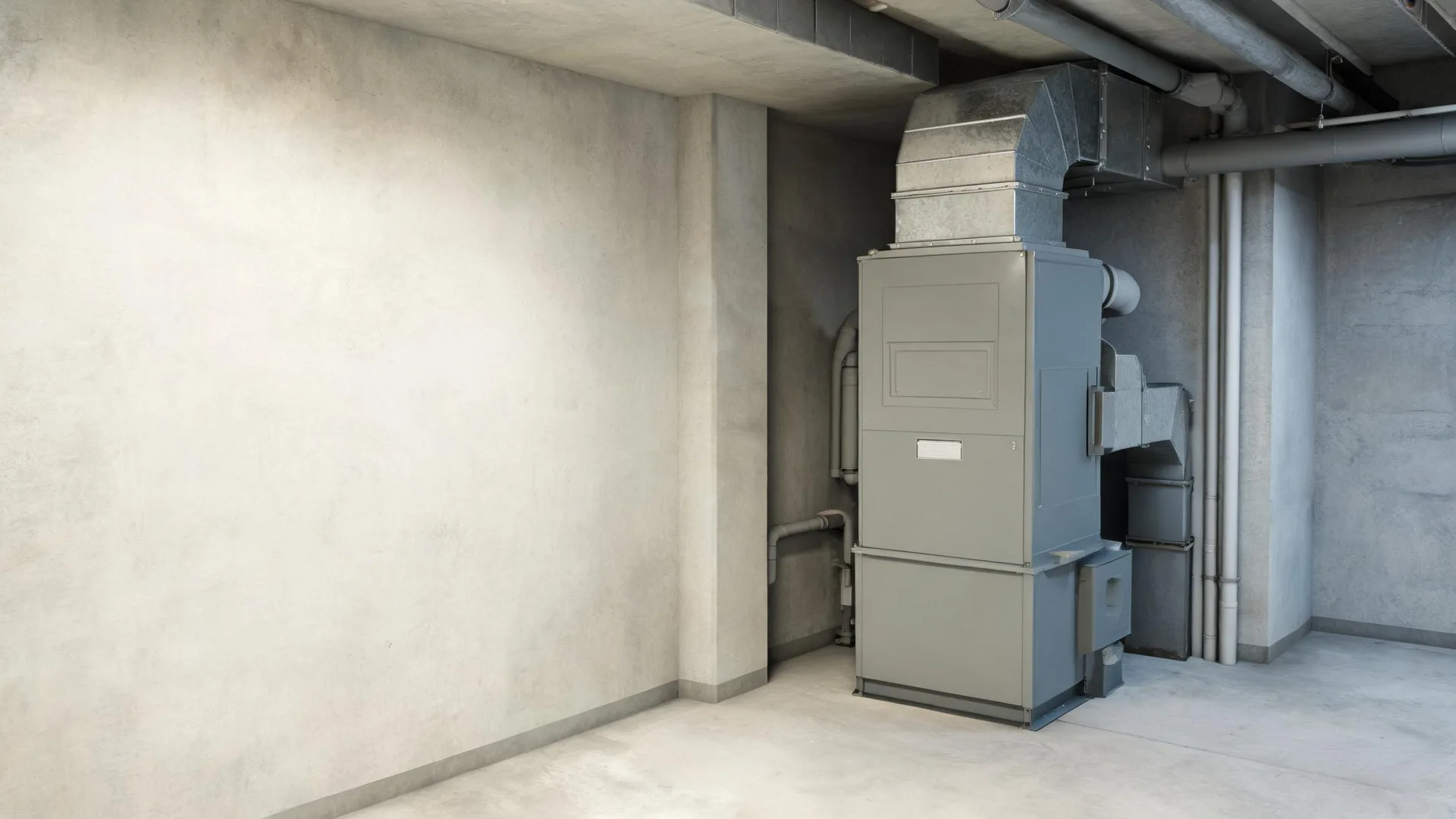
Most homes here run on electricity
Electricity heats 64.2% of homes in Jones County. Gas service reaches 24.6%, and another 9.4% use bottled or LP gas. If your house already has electric heat, an electric furnace or heat pump matches what's there.
Takes about a minute. No obligation.
Electricity heats 64.2% of homes in Jones County. Gas service reaches 24.6%, and another 9.4% use bottled or LP gas. If your house already has electric heat, an electric furnace or heat pump matches what's there.
Replacing an electric furnace with another electric furnace means the wiring and ductwork already fit the job. Switching fuels means adding gas line or LP tank service that was never there before, which is a different project with its own requirements.
NOAA nClimDiv, 1991–2020 normals
Furnaces here run November through March.
Have the new one installed before October ends, while it's still your schedule and not an emergency.




Five months of heat a year is a light workload for a furnace. November through March, and the rest of the year it sits idle. Even in the coldest stretch, the overnight low here only averages 39 degrees, not the single digits or below-zero nights that push a system to its limit elsewhere. A furnace built for this doesn't need to be the highest-efficiency model on the lot. It needs to be sized right and installed correctly, because the strain it has to handle is modest compared to what homes further north ask of theirs.
Replace it before the season starts, so it happens on your schedule, not in a hurry.
Find a contractorLook for a furnace that's built well and sized to the house, not one loaded up with features you're paying for and not using. A straightforward install, done right, will handle what this climate asks of it.
A contractor has to work out how much heat the house actually loses before picking a unit. That calculation looks at square footage, window area, insulation and layout. Skip it and you end up with a furnace too big or too small, and either way you paid for ductwork and labor sized to the wrong number.
If the existing ducts are undersized, leaky, or routed in a way that fights the new furnace, they may need sealing, resizing, or partial replacement before the furnace goes in. A furnace that's right for the house still won't heat it evenly if the ducts can't move the air it's pushing.
That yellow sticker on the furnace lists an AFUE number, and all it tells you is how much of the fuel it burns turns into heat in your house versus what goes out the flue. A higher number means less waste, nothing more. It has nothing to do with how big a house it can heat or how fast it warms the place up. Furnaces with the same rating can still be sized completely differently for completely different houses. Given how light the heating load already is on this page, chasing the highest AFUE on the lot usually just adds cost without adding comfort. Pick the rating that fits the house and the budget, and let sizing and installation do the rest of the work.
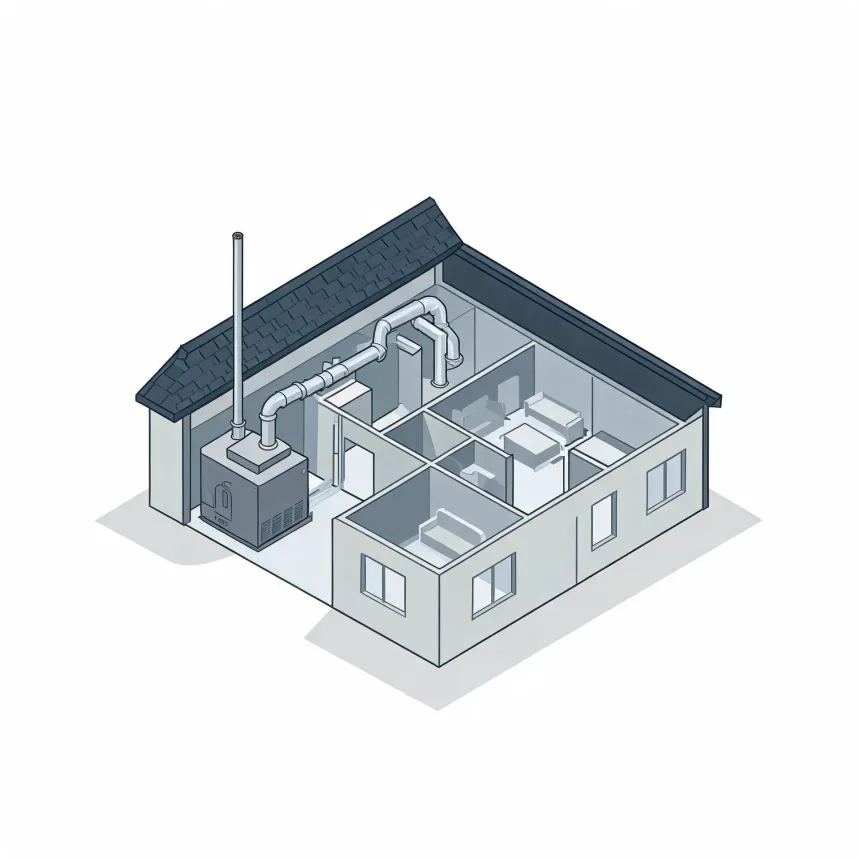
Installation day starts with the old furnace coming out, and that part goes fast. The slow part is everything that makes the new one work right. The supply and return connections get tied into the ductwork, the gas or electric line gets hooked up to the unit, and the venting gets run or checked to make sure exhaust has a clear path out of the house. Once it's wired and connected, the contractor fires it up and checks the airflow, the temperature rise across the furnace, and the burner or element operation against the manufacturer's specs. That last check matters as much as the install itself, because a furnace that's hooked up but not tuned to spec will run, just not the way it's supposed to.