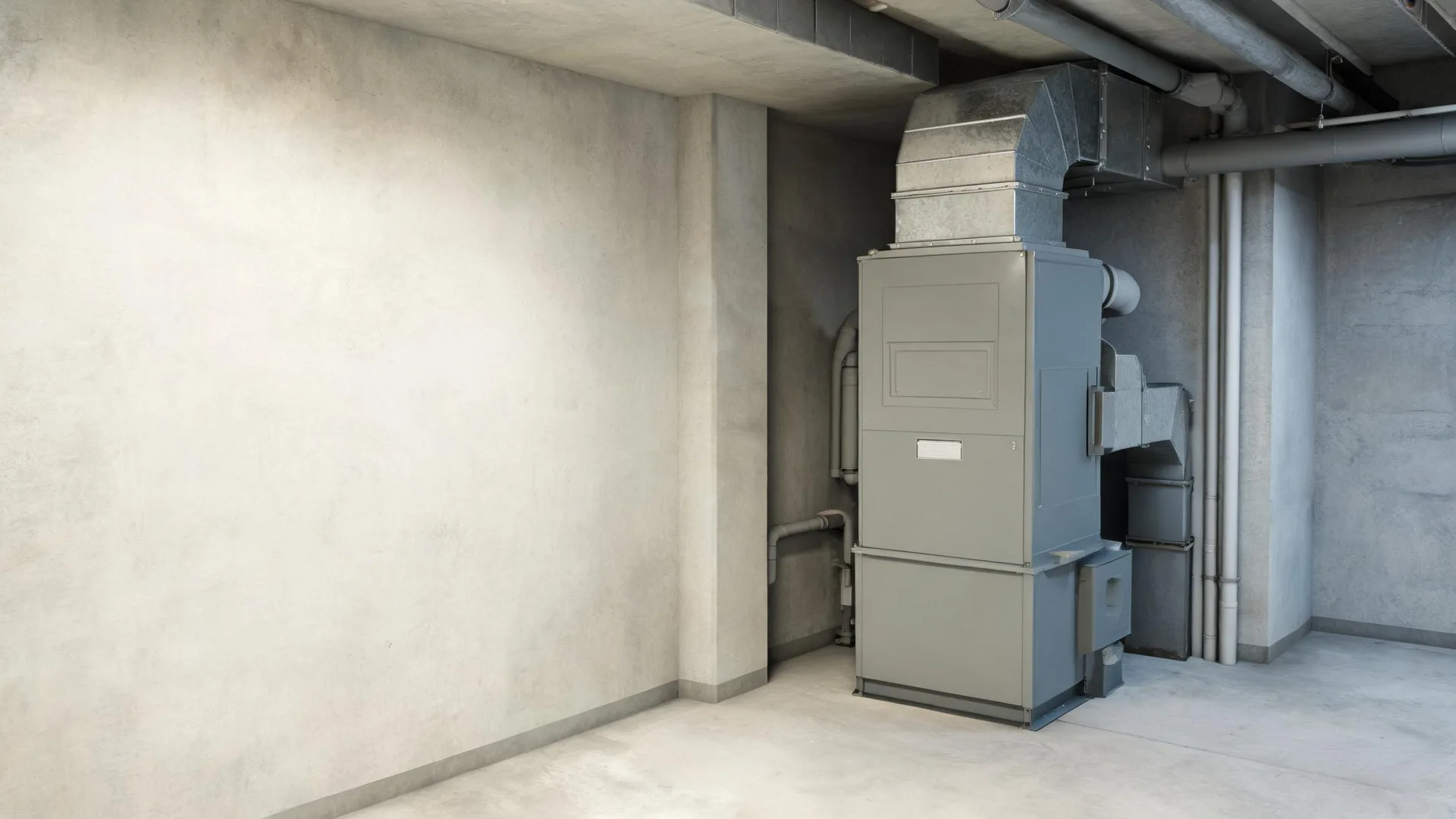
80 percent AFUE is the floor here
Warren County falls under zone 3A, and any non-weatherized gas furnace installed has to reach at least 80.0 percent AFUE. That has been the rule for furnaces built since November 2015, and it still applies today.
Takes about a minute. No obligation.
Warren County falls under zone 3A, and any non-weatherized gas furnace installed has to reach at least 80.0 percent AFUE. That has been the rule for furnaces built since November 2015, and it still applies today.
Furnaces built on or after December 18, 2028 will need to hit 95.0 percent AFUE. If you're installing now, you're still choosing from the current lineup, but a system going in close to that date is worth checking against both numbers.
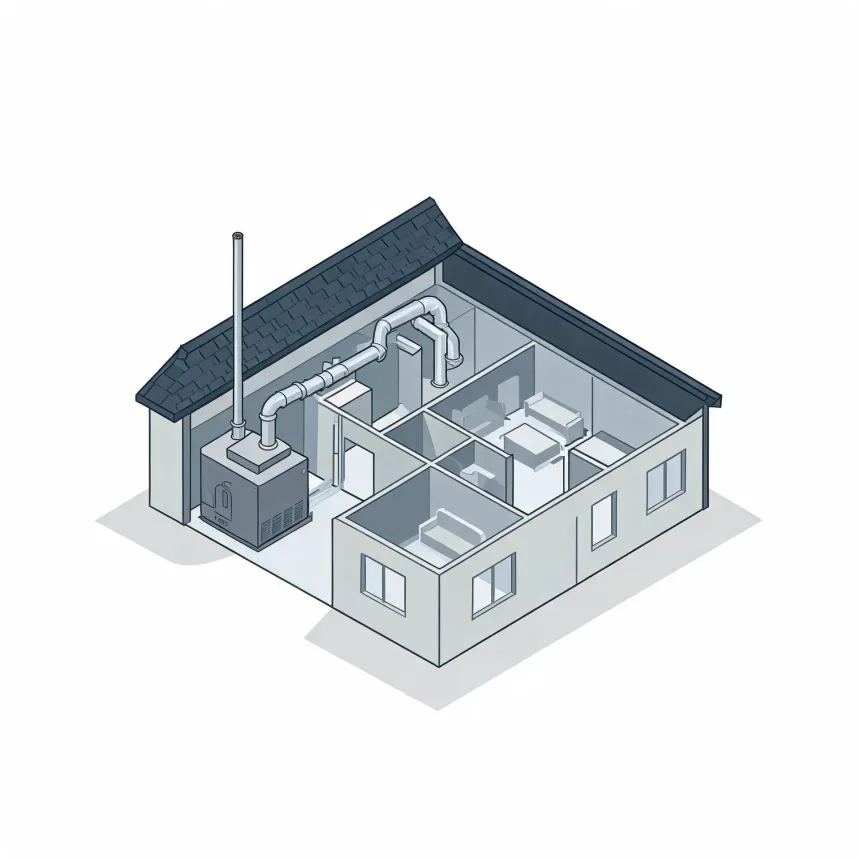
NOAA nClimDiv, 1991–2020 normals
Most homes in Warren County run on electric heat, 61.3 percent of them.
Gas furnace installs here are going into a minority setup, so it pays to check what fuel line and venting this house already has before counting on gas.




Half the homes in Warren County were built in 1978 or earlier, half since then. That split doesn't call for anything special in a furnace. A standard unit, sized to the house, heats an older home the same way it heats a newer one. What matters more is what's already there, the ductwork and the gas line it would tie into, and that varies house to house regardless of when the place was built. One thing worth checking first is whether the home is a mobile home. They're 18.6 percent of the housing stock here, and that kind of home needs a furnace built and certified for mobile home installation, not a standard model.
It won't be worked hard here, so pick a reliable system that fits. You don't need the top efficiency model.
Find a contractor
Five months of work a year, and most nights it's not even working hard, just holding a house at a comfortable temperature against a 39°F low. That's not a system under strain. Put the money into getting the size and the install right instead of chasing a higher AFUE number.
The gas line gets capped, the flue or vent connection comes apart, and the cabinet gets cut down or carried out whole. Whoever installs the new furnace typically handles removal as part of the job, so it doesn't sit in the garage waiting for a separate trip.
A furnace is mostly steel, aluminum and copper, and scrap yards take all of it. The gas valve, inducer motor and blower assembly get pulled before the rest goes to be recycled. Ask what happens to the old unit before the new one goes in, so it's settled ahead of time instead of after.
Short cycling is the most common sign of a furnace sized too big for the house. It heats the space fast, shuts off before it's pulled a steady warmth into the walls and furniture, then kicks back on a few minutes later. Over the life of the system that extra starting and stopping adds wear to the igniter and the blower motor, parts that would otherwise see a long, easy life given how little this climate asks of a furnace. Too small, and it runs long stretches trying to catch up without ever quite reaching the thermostat setting, even on a mild night. Sizing comes from a load calculation, not square footage alone. It weighs the home's insulation, window area and air leakage room by room, so the furnace matches what the house actually loses on its coldest night, no more and no less.
Installation day starts with the old furnace still connected, so the first hour is mostly disconnecting things, not installing anything. Gas gets shut off at the valve, the flue is detached, and the old blower and cabinet come out before anything new goes in. Once the space is clear, the new furnace gets set in place and leveled, then the ductwork gets tied in, which usually means custom sheet metal work at the transition rather than a straight bolt-on, since the new cabinet is rarely the exact size of the old one. The gas line, the flue venting, and the electrical all get connected next, and each of those gets tested on its own before the system is fired up as a whole. Once it's running, a tech checks gas pressure, airflow, and temperature rise against the furnace's own rating plate, not a general number, because that's what confirms it's installed right rather than just installed.