
Heat pump vs furnace in Warren County, Mississippi

Request a Quote

Pros who work in Warren County

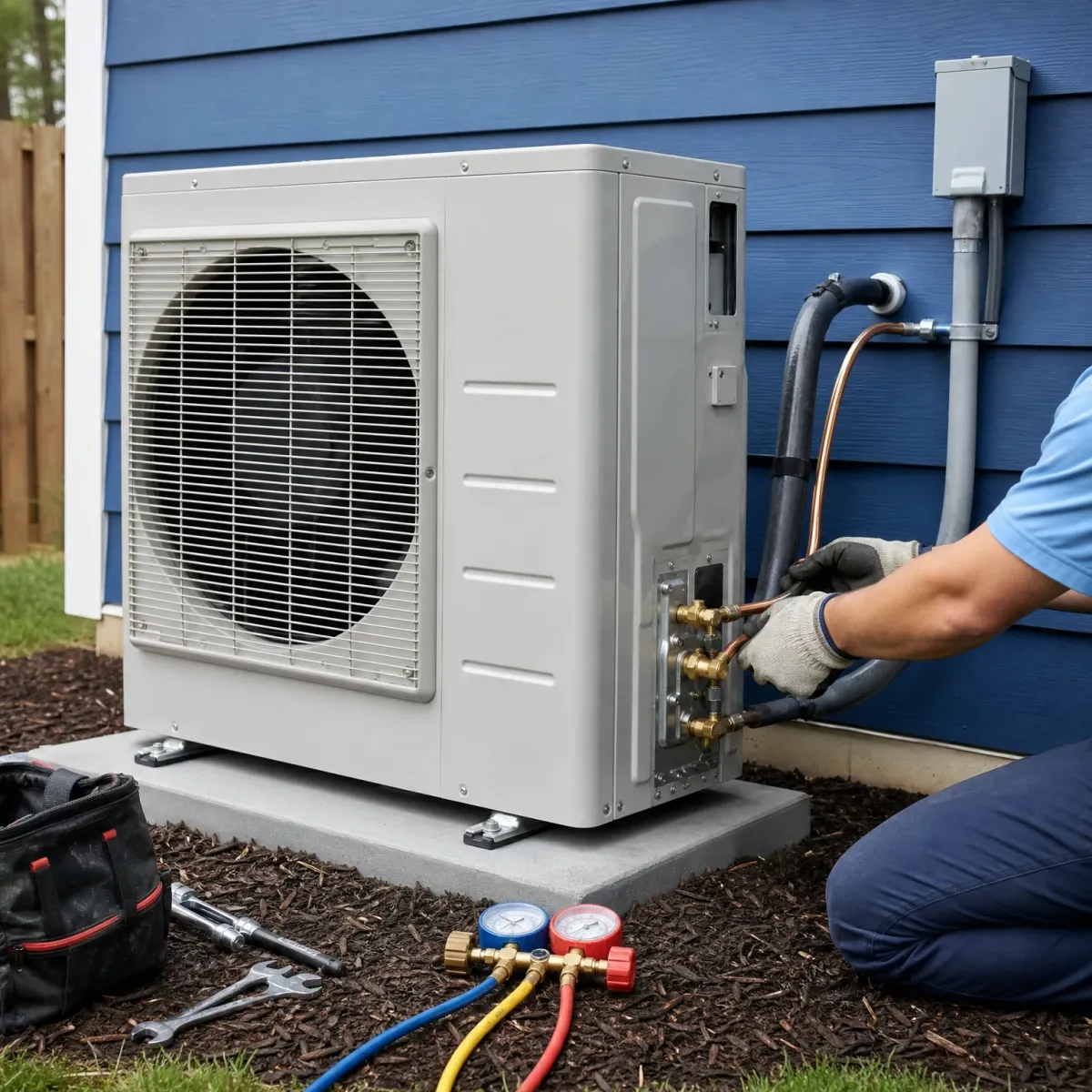
A kneeling person in a blue shirt and work gloves connects refrigerant lines at the side of a gray outdoor heat pump unit on a concrete pad beside a blue clapboard house, with a manifold gauge set and hand tools lying on mulch in the foreground.

Tell us about the job

Takes about a minute. No obligation.

New system or replacementWarren County, MS
Step 1 of 3

What kind of equipment?

Which costs less to run in Warren County?

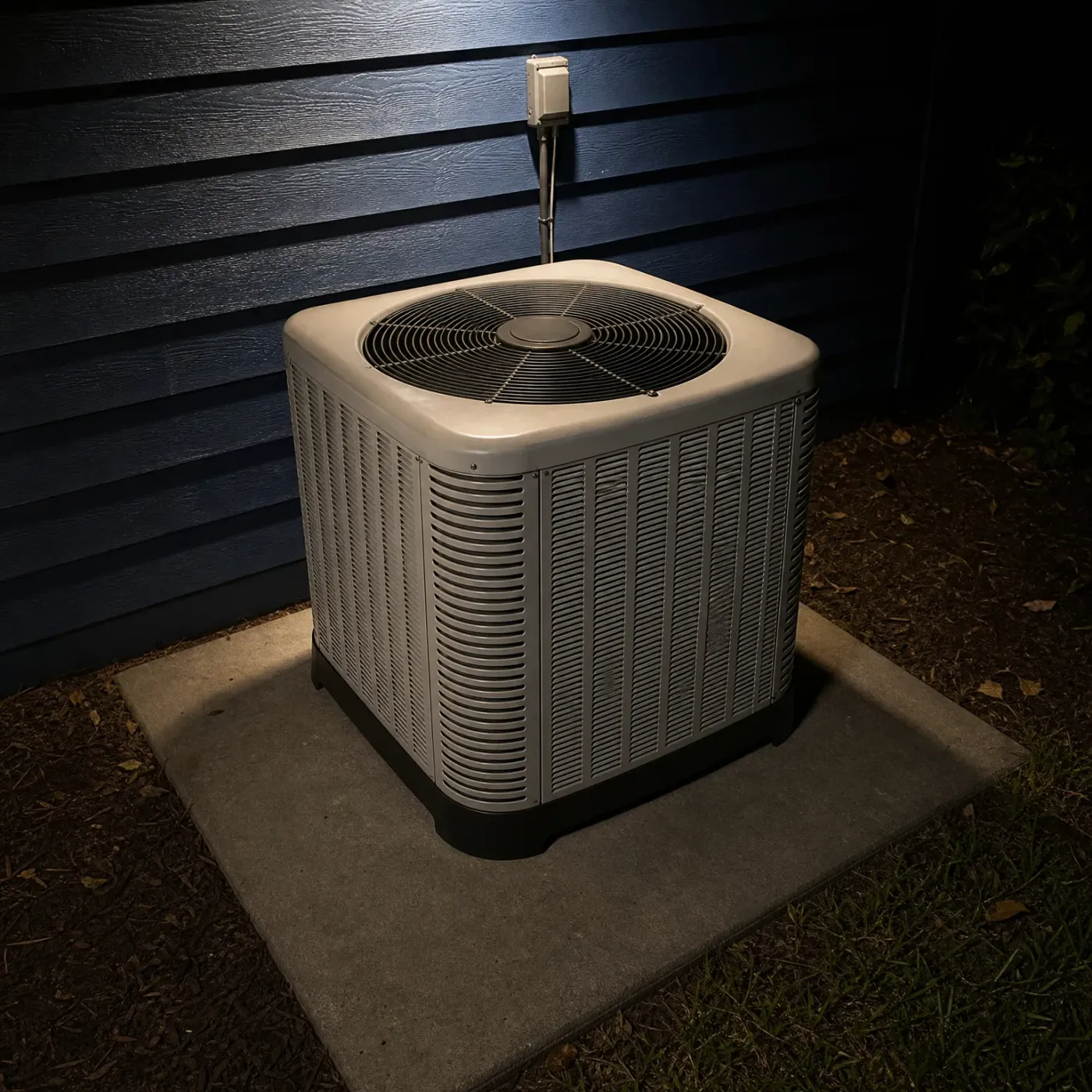
An outdoor air conditioning condenser unit on a concrete pad beside a dark horizontal-lap sided wall at night, with an electrical disconnect box and conduit on the wall above it.

Heat pump

To heat your home here$1.79per 100,000 Btu

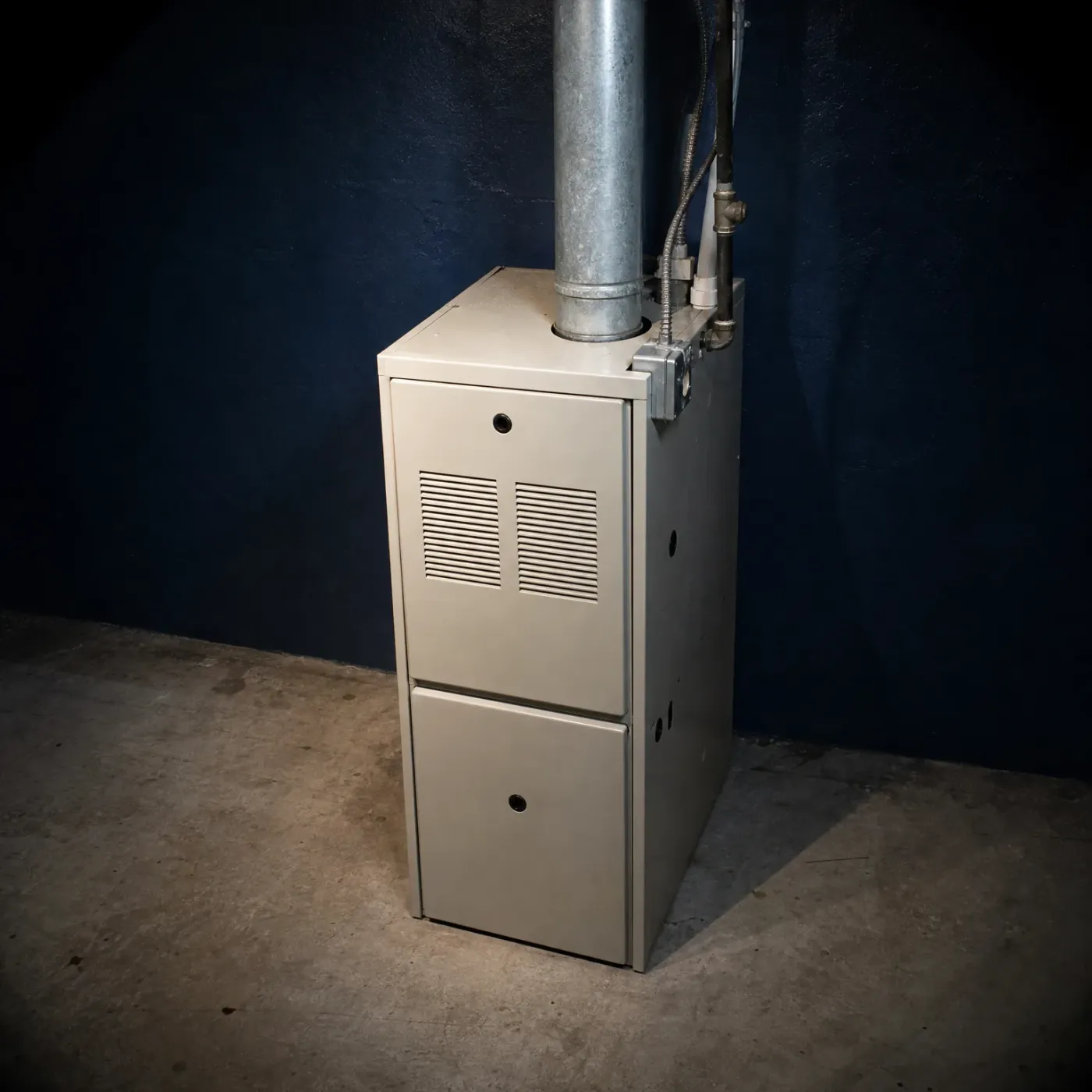
A beige residential furnace with louvered vent panels stands on a concrete floor against a dark blue wall, with a metal flue pipe and conduit running up from its top.

Furnace

To heat your home here$1.88per 100,000 Btu

At Mississippi's gas and electricity prices, a heat pump and a gas furnace cost about the same to run here.

Btu stands for British thermal unit, the standard measure of heat energy.

Where does a heat pump shine?

  • Made for mild winters

    Winter nights in Warren County average 39°F. A heat pump handles that kind of mild chill without straining to keep up.

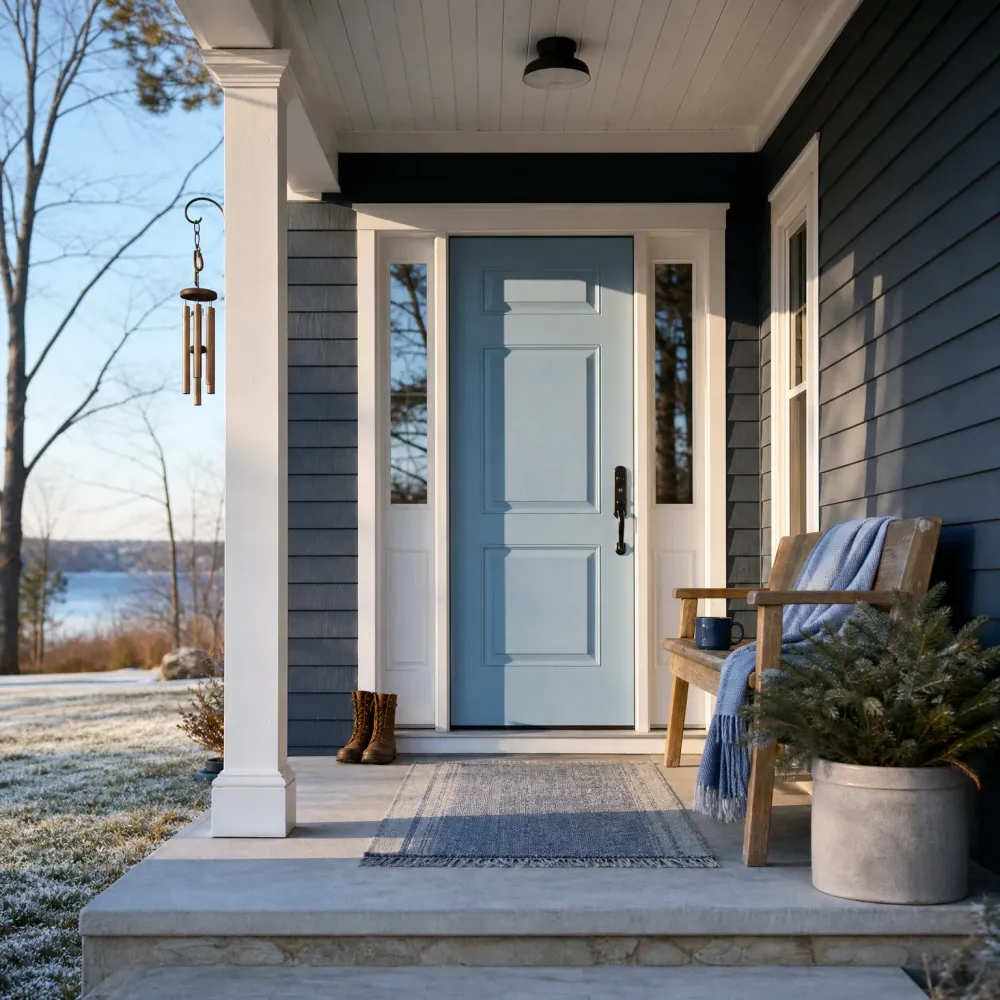
    A covered porch with a light blue paneled front door flanked by narrow glass sidelights, a white column, a gray striped doormat, a wooden bench with a blue throw blanket and mug, leather boots, a potted evergreen, and a hanging wind chime, with frost-covered lawn and a distant water view.
  • Covers a long cooling season

    Cooling runs May through October here. A heat pump handles that whole stretch and still gives you heat when it turns cold, out of one system.

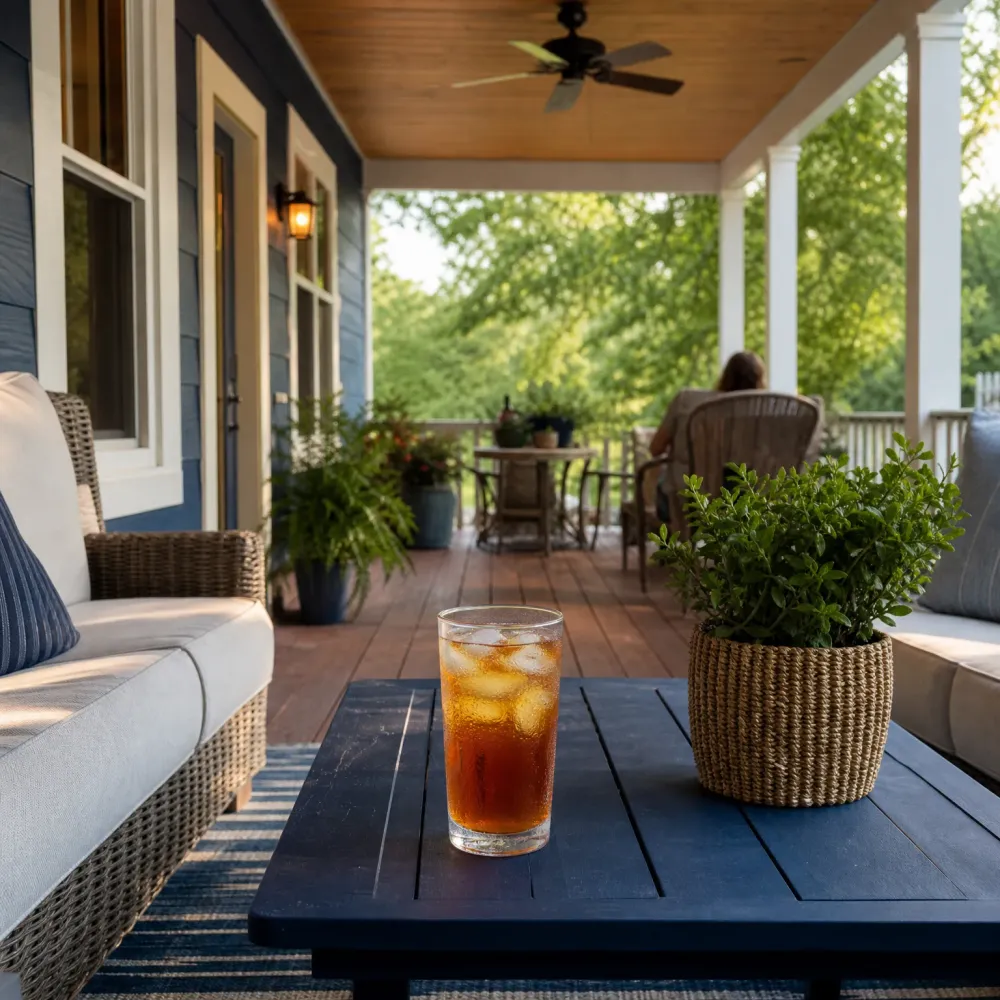
    A covered porch with blue lap siding, wicker sofas with cushions, a navy slatted table holding a glass of iced tea and a woven basket planter, and a person seated at a bistro table in the background surrounded by green trees.
  • Steady, even comfort

    It eases up and down with the weather. There are fewer swings between too warm and too cool.

    A navy armchair with a gray throw blanket and open book sits by a multi-pane window at night, beside a wooden side table with a lit lamp, mug and potted plant, while a golden-colored dog sleeps on a patterned rug near a stone fireplace.

Where does a furnace shine?

  • Fast, strong heat on demand

    A furnace pushes out hot air within minutes of switching on. A cold house warms up fast.

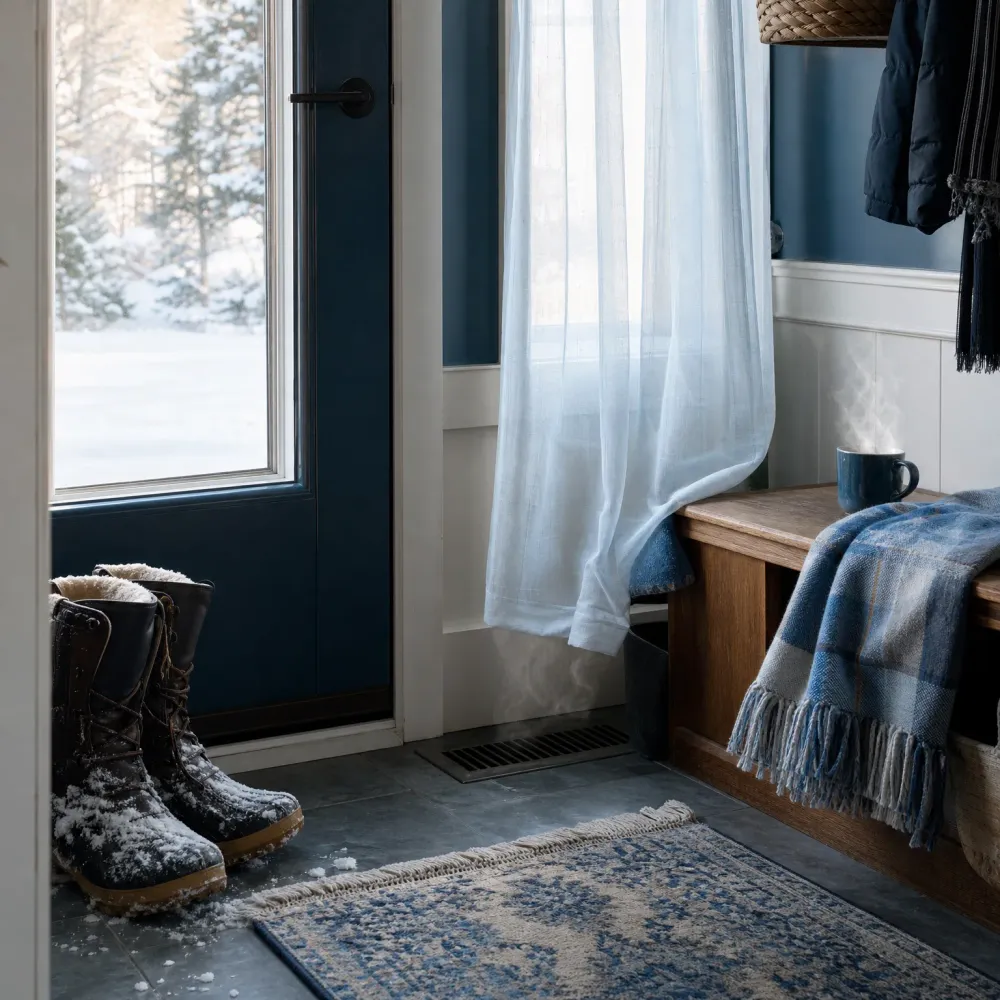
    A mudroom entry with snow-covered boots on a tiled floor, a floor vent, a wooden bench with a blue plaid throw and steaming mug, a sheer curtain, a dark blue door, and a snowy conifer landscape outside the window.
  • Pairs with any central AC

    Most central air systems are built around a furnace. The two share the blower, the ducts and the thermostat.

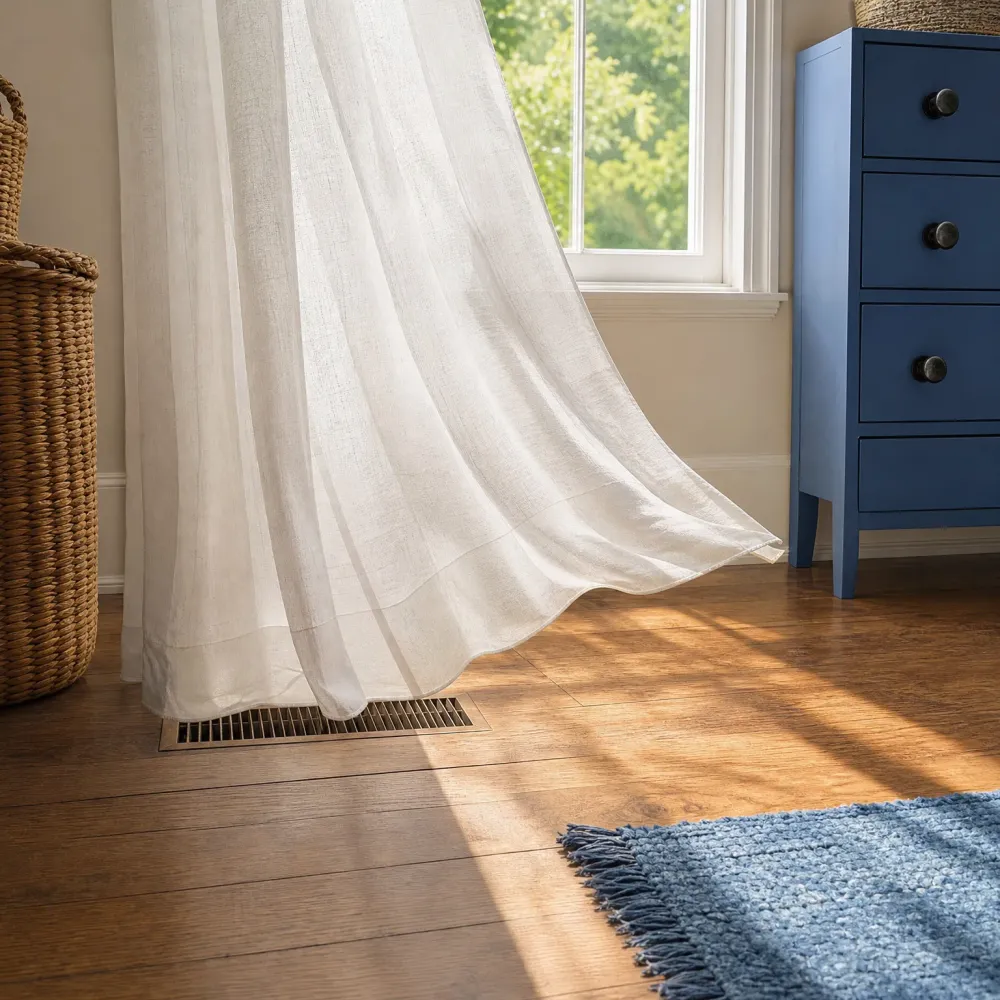
    A sheer white curtain hangs beside a sunlit window over a metal floor vent in a wood floor, with a blue chest of drawers, a woven basket, and a blue fringed rug nearby.
  • Proven, simple, easy to get serviced

    Parts are easy to find and most repairs are routine. Getting one fixed rarely means waiting on a specialist.

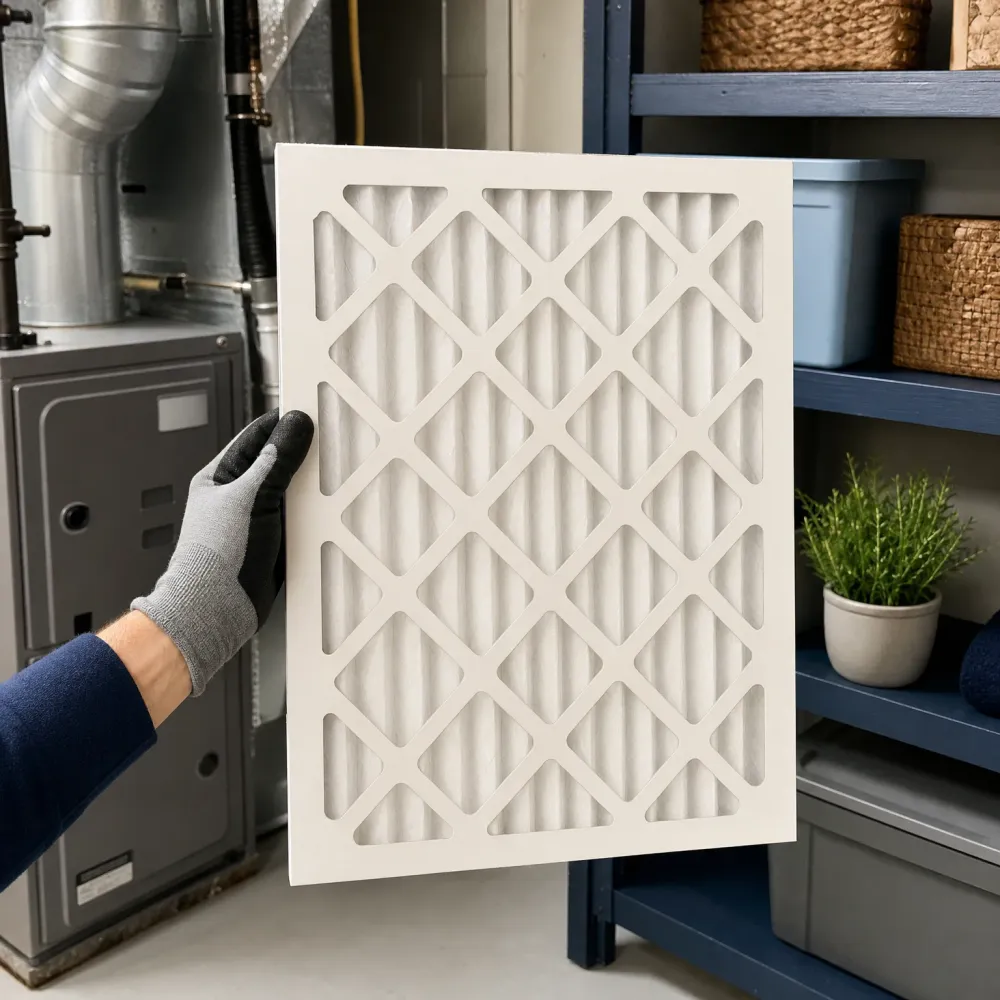
    A gloved hand holds a pleated air filter in front of a furnace and ductwork, next to blue shelving with baskets, a bin, and a small potted plant.

Winters here don't ask much of a heat pump

Warren County winters are mild, and that's what decides this. The heat only runs five months, November through March, and the overnight low averages 39°F across the three coldest months. A heat pump does its best work in exactly that range.

Cold snaps happen, but they're not the norm. The temperature drops to freezing or below on about 40 nights a year, and the heat runs on roughly 150 nights across those five months. So the nights a heat pump has to work hardest are under a third of the heating season. The rest of the time it's running well inside its comfort zone.

Running cost backs this up rather than complicating it. At Mississippi's prices, a heat pump built to the federal minimum runs $1.79 per 100,000 Btu against $1.88 for a gas furnace. It costs a little less to run and it's suited to the climate it would run in. Those two facts point the same direction.
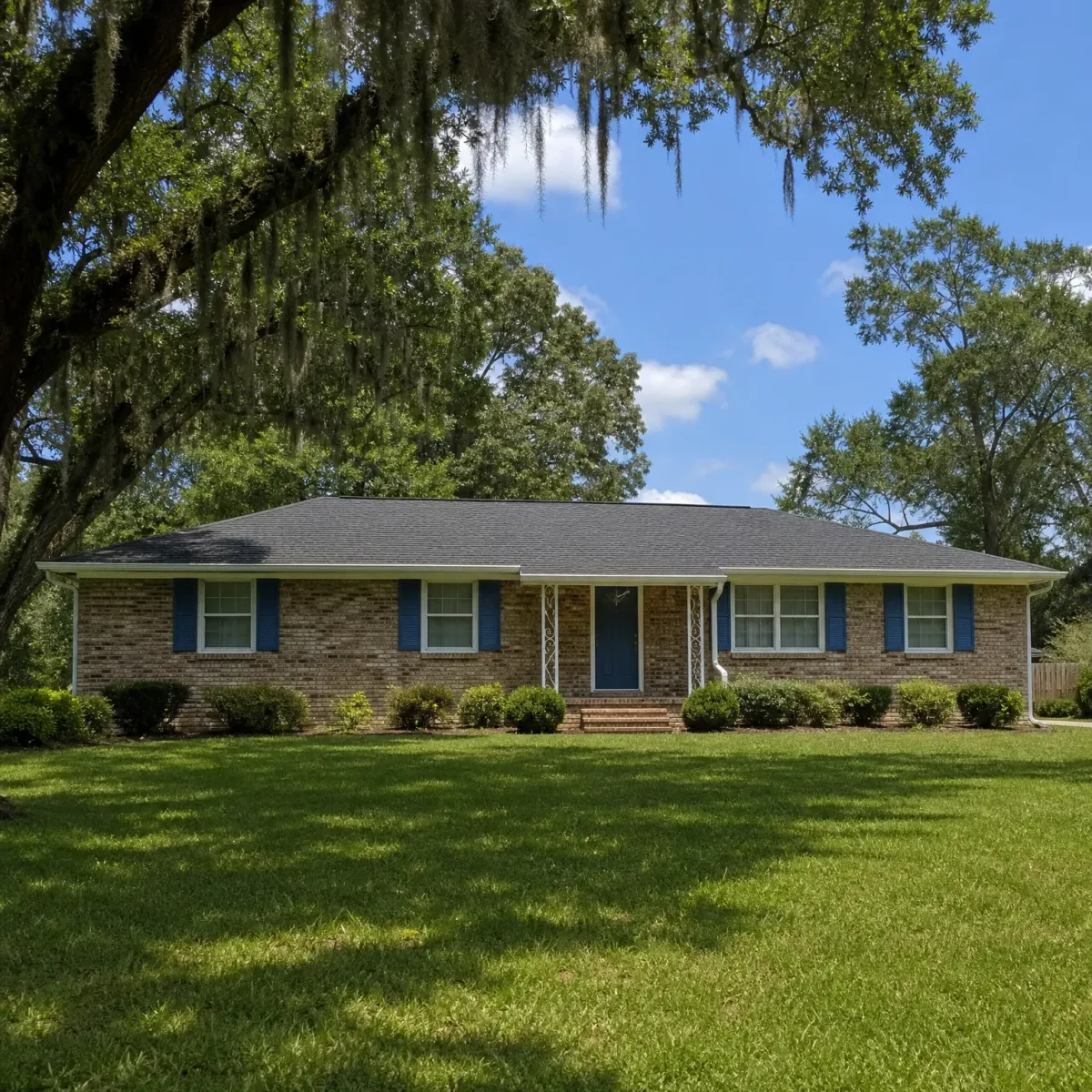
A single-story brick ranch house with gray shingled roof, blue shutters and a blue front door, set behind a mowed lawn with large moss-draped trees under a blue sky.

The furnace only works half the year

A furnace heats and nothing else. Outside the five months it runs, it sits unused while the other seven months belong entirely to the air conditioning. A heat pump works those same seven months as the air conditioner, then switches over and covers the five heating months too. One machine doing both jobs matters more here than most places, because the cooling season, six months, May through October, is the longer of the two, with highs of 90°F or more on about 85 days a year.

Gas is not the common choice here anyway. Electricity already heats about three in five homes in Warren County, utility gas a little under one in four, and propane a little over one in ten. A furnace also means a gas line or a propane tank to keep up, where a heat pump runs on the electric service the house already has.

A furnace still has a place. It puts out strong heat fast, it pairs with any central air conditioner already in place, and it's a simple system that's easy to get serviced. If the house already has a gas line in and a furnace that needs replacing, keeping that setup is a reasonable call. But for a house choosing between the two with nothing pulling it toward gas, Warren County's winters and summers both favor the heat pump.

Sources: NOAA nClimDiv · NOAA 1991–2020 seasonal normals · Census ACS 2020–2024 · EIA SEDS 2024 · 10 CFR 430.32

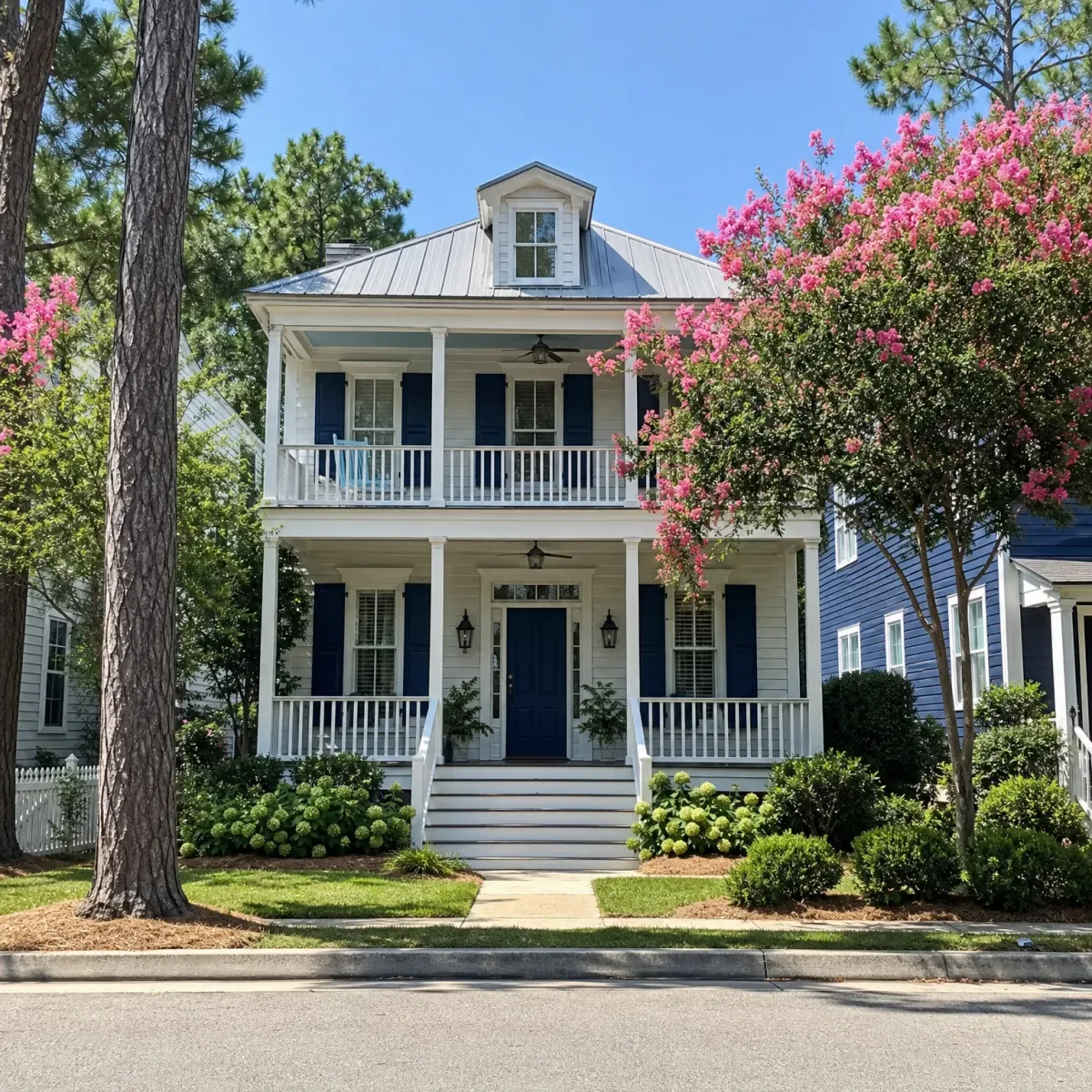
A two-story white house with double porches, navy shutters and front door, a metal roof with a dormer, flanked by pine and pink-flowering crape myrtle trees, with hydrangeas and a walkway leading to the street.

Common questions about heat pumps and furnaces

  • Will a heat pump keep my house cool enough here?

    Yes. A heat pump is a central air conditioner in the summer months, it just runs the same cycle in reverse to heat your home from November through March. It covers the same cooling season a straight AC would here, May through October.

  • Can I keep my furnace and add a heat pump?

    Yes, that pairing is called a dual fuel system. The heat pump handles your heating and cooling most of the time, and the furnace kicks in on the coldest nights, the roughly 40 a year here that drop to freezing or below.

  • What if my house doesn't have a gas line?

    A heat pump is the straightforward choice. It runs on electricity, so there's no gas line to run, and it covers both your heat and your cooling with one system instead of pairing a propane or oil furnace with a separate AC.

  • Is a heat pump cheaper to run than a furnace in Warren County?

    Close, but yes. A heat pump runs $1.79 per 100,000 Btu here against $1.88 for a gas furnace, so it comes out a little cheaper over a heating season that runs about five months, November through March.