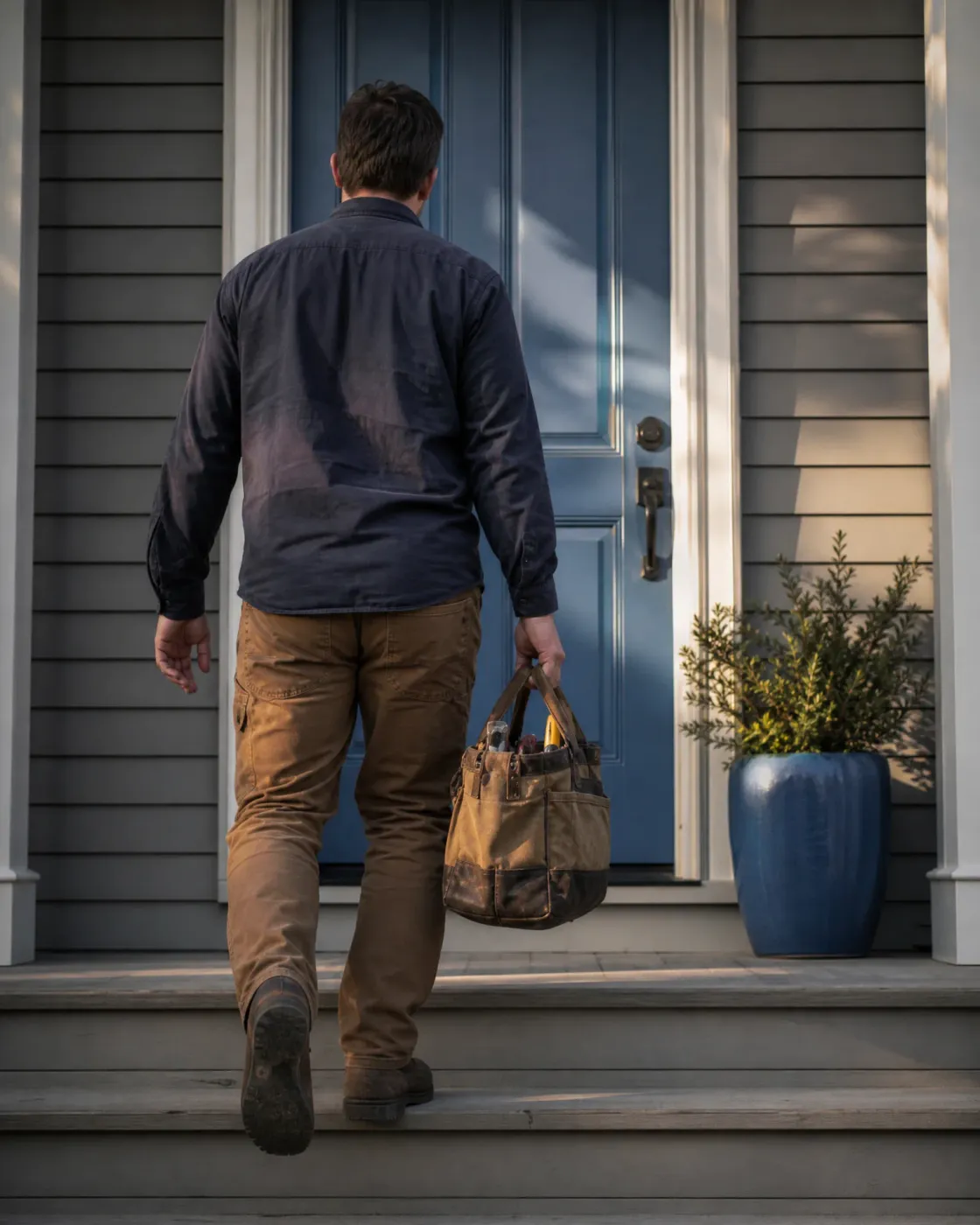
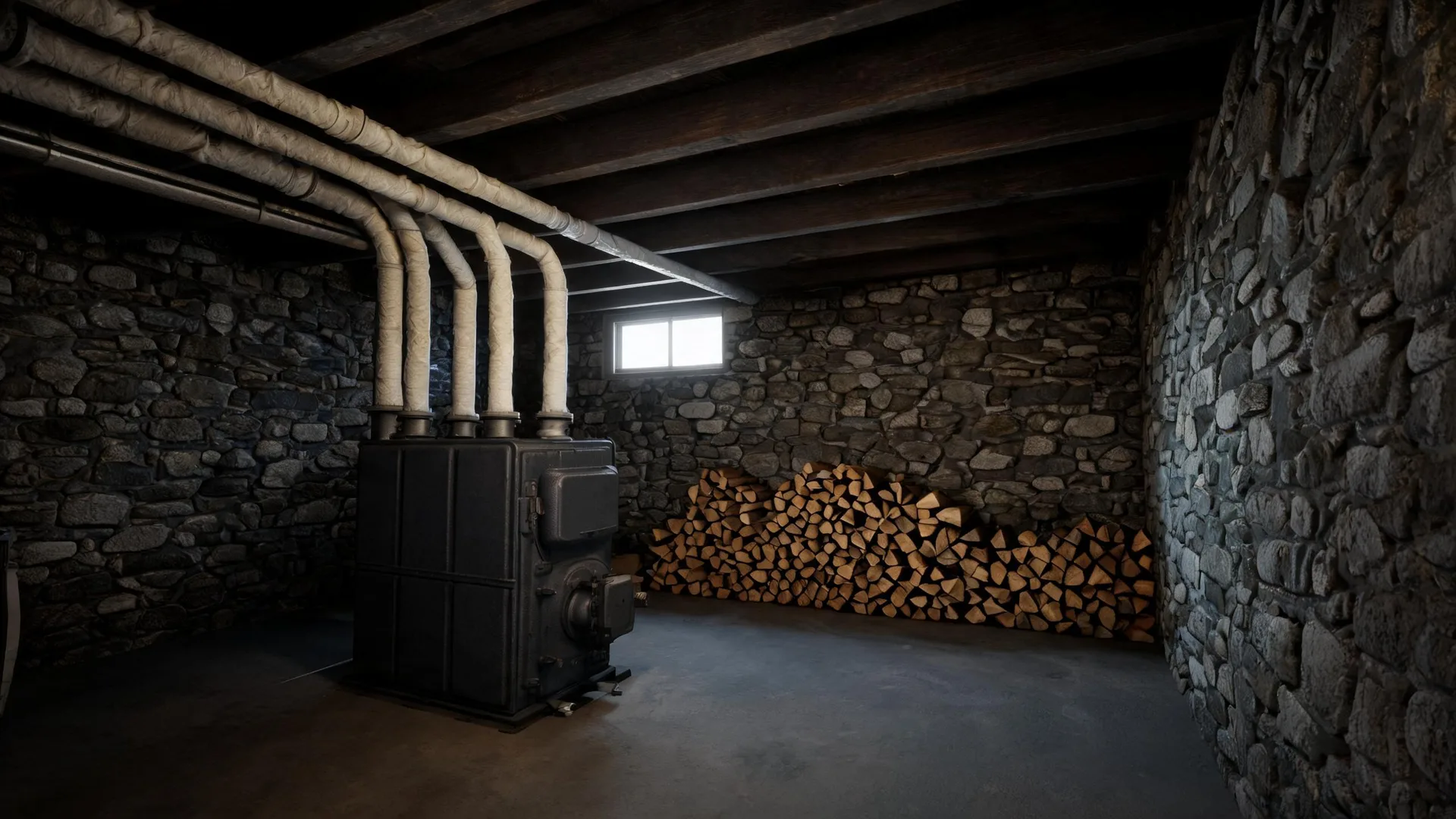
A row of single-story houses with porches behind a manicured lawn and trimmed hedges, framed by large oak trees draped with Spanish moss.

Furnace Installation in Clarksdale, MS

Tell us about the job

Takes about a minute. No obligation.

New system or replacementFurnace or heatingCoahoma County, MS
Step 1 of 2

What ZIP code is the job in?

Most of Clarksdale heats with gas

Utility gas heats 54.4% of occupied homes in Coahoma County. Electricity is next at 35.4%, and LP gas covers another 8.6%. If your home already has a gas line run to it, a gas furnace is the straightforward replacement.

What this means for your install

A gas furnace needs venting for exhaust and a gas line sized for the unit. If the home you're in was built for gas heat, that line and vent are likely already in place, which keeps the job to swapping the furnace itself rather than adding new gas infrastructure.

5 months
November through March, your furnace is on duty
36°F
the average winter night it heats against
54%
of homes here heat with gas, so most furnaces here burn gas
80% AFUE
the federal minimum any new unit must meet
Isometric cutaway illustration of a single-story house showing interior rooms, furniture, a dark furnace unit with a tall vertical flue pipe, and ductwork running under the pitched shingle roof.
Your furnace works hardest from November through March.

NOAA nClimDiv, 1991–2020 normals

Natural gas ran $15.03 per million Btu in Mississippi homes in 2024.

A high-efficiency furnace costs more up front and takes longer to earn that back here, so pick the furnace that fits your house, not just the one with the highest rating.

October is the month to get it done, before heat season starts in November

Heat runs November through March
Winter nights average 36°F
9 winter storms from 2015 to 2024

Furnace here runs about five months a year, November through March. Overnight lows average 36°F through the coldest stretch, which is cold enough to run steady but nowhere near what a furnace in the upper Midwest puts in. That shorter season means less wear on the heat exchanger and blower over the furnace's life. A mid-efficiency gas furnace will keep up fine here. Winter storms do hit this area, so the furnace still needs to carry the house through a real cold snap. It just doesn't need the highest efficiency rating on the shelf to do it.

Any furnace you install now just needs to clear 80 percent AFUE

Any furnace installed here now has to hit 80 percent AFUE, the federal minimum. That's already the baseline for a mid-efficiency unit, so it costs nothing extra to meet. That rule steps up to 95 percent AFUE in December 2028, but until then you're free to choose based on what your house needs rather than chasing a higher number. A federal tax credit is available on qualifying high-efficiency furnaces, worth weighing against the slower payback on gas here.

Find a contractor
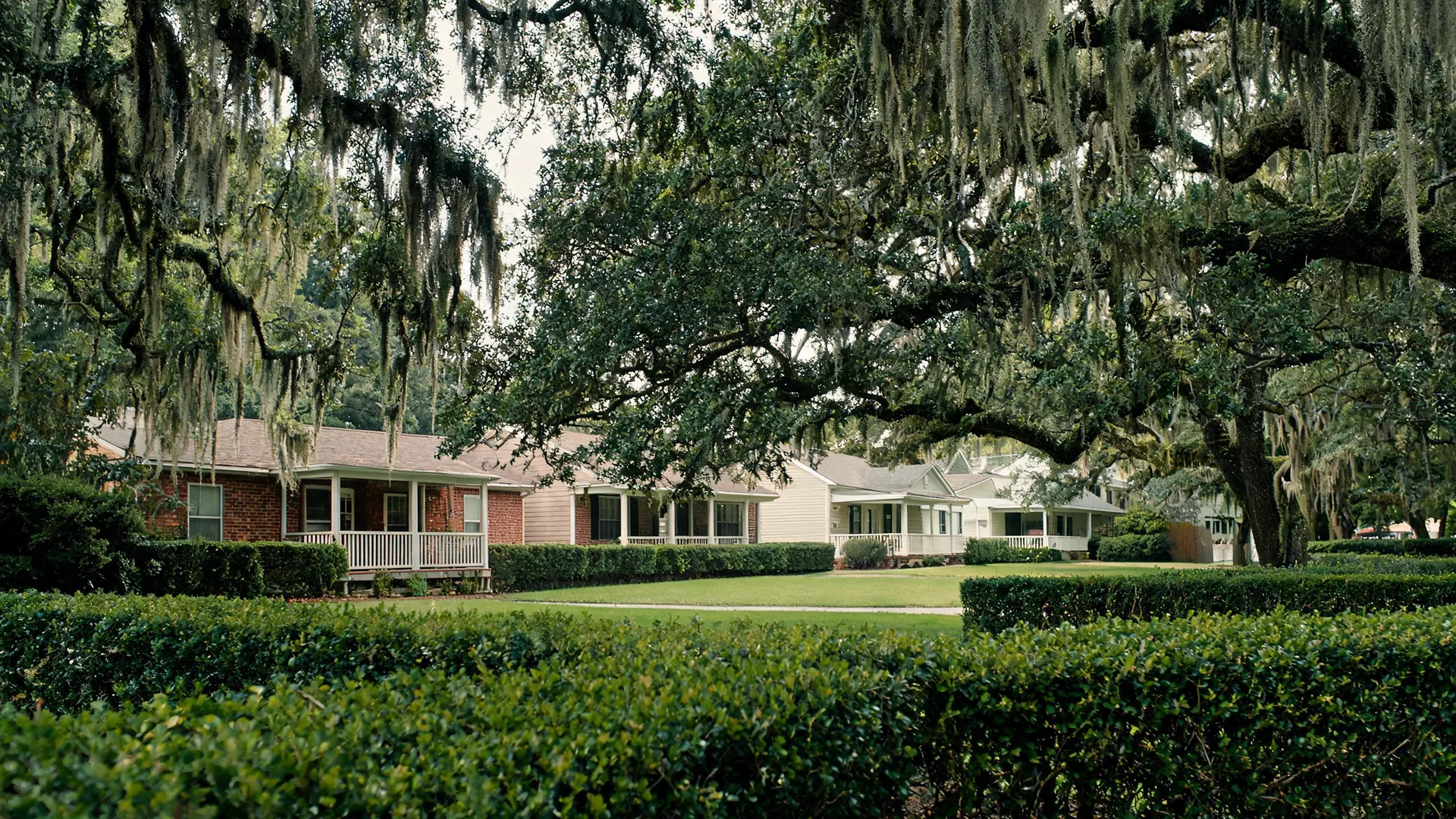
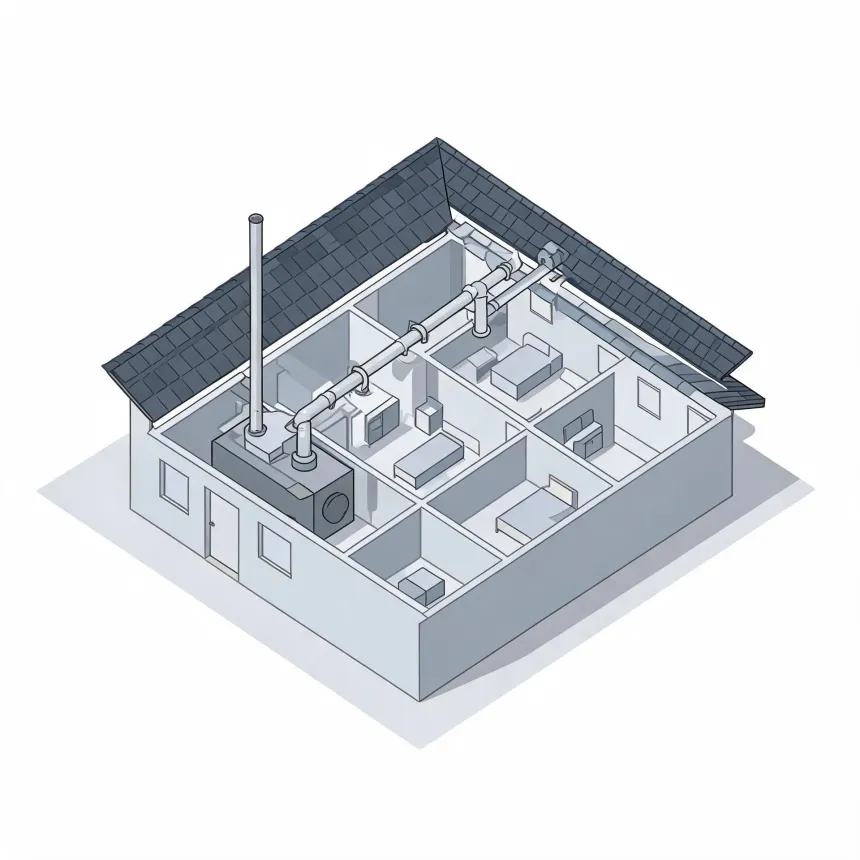
A man in a dark shirt and tan work pants, seen from behind, carries a canvas tool bag up wooden steps toward a blue front door of a gray clapboard house, with a shrub in a blue planter beside the door.
A gray high-efficiency gas furnace installed in an unfinished basement, surrounded by gas lines, a condensate drain, and sheet-metal ductwork.

Half these homes were built in 1970 or earlier

Half the homes in Coahoma County were built in 1970 or earlier. A furnace going into a house that age is going into whatever ductwork and venting came with it, not a blank slate. The new unit has to fit what's already run through the house. Worth checking what's actually there before you pick a furnace, not after.

The old furnace gets disconnected, not just unplugged

A gas furnace has a gas line, a vent pipe, and sometimes a electrical hookup for the blower and controls. Each one has to be shut off and disconnected properly before the unit comes out, not just pulled loose. The vent pipe matters especially, since it may be tied into a chimney or shared vent that the new furnace could use differently.

What happens to it after depends on what it's made of

A furnace is mostly sheet metal and a cast or aluminized steel heat exchanger, which scrap haulers will take. Some parts, like the old gas valve or blower motor, don't have resale value and go out with the rest. Hauling it off is usually part of the installation job rather than something the homeowner handles separately, but it's worth asking rather than assuming.

An unfinished basement featuring a forced-air furnace, exposed wooden ceiling joists, bare concrete walls, and miscellaneous items including cardboard boxes and coiled cables on the floor.

A high-efficiency gas furnace would save about $100 a year to run in Coahoma County compared with a gas furnace.

  • A high-efficiency gas furnace$510 a year
  • A gas furnace$610 a year

Estimates for a typical Coahoma County home, from EIA household energy data, Mississippi fuel prices and NOAA climate normals. Your home will differ.

Installation day starts with the old furnace coming out, along with any venting or ductwork connections that won't carry over to the new unit. The new furnace gets set in place and leveled, then the gas line, the vent, and the return and supply ducts all get connected to it. A gas furnace needs the vent pipe sloped and sized correctly so exhaust actually leaves the house instead of backing up. Once it's hooked up, the contractor fires it up and checks the gas pressure, the temperature rise across the heat exchanger, and the airflow at the registers. A furnace can be wired and piped correctly and still run wrong if the blower speed doesn't match the ductwork it's tied into. Most of the day goes to that fitting and testing, not the part where the old unit comes out.