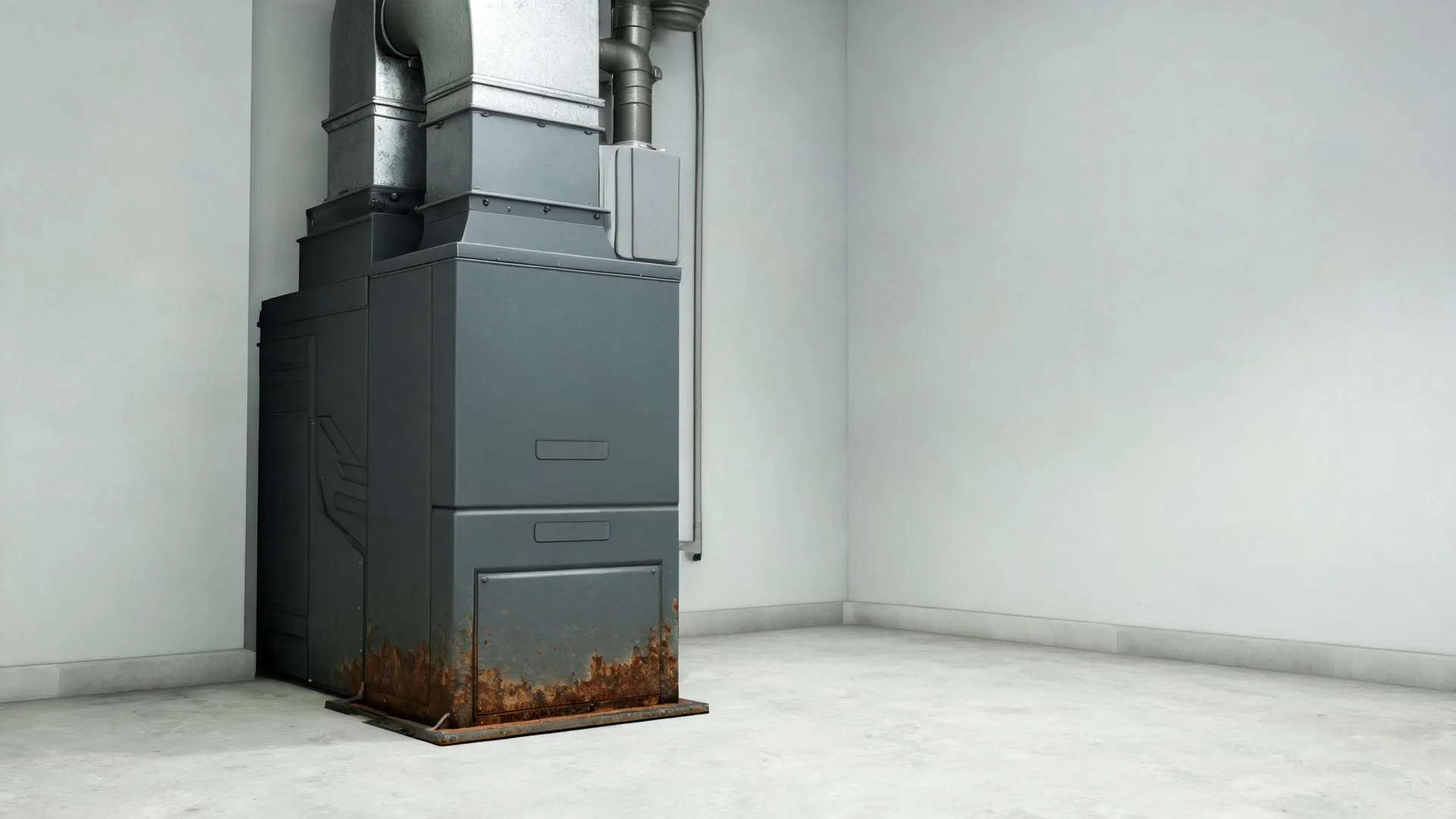
Half the homes here were built in 1992 or later
Tate County's housing skews newer than a lot of the state. A furnace that came with one of these newer homes usually hasn't been run into the ground.
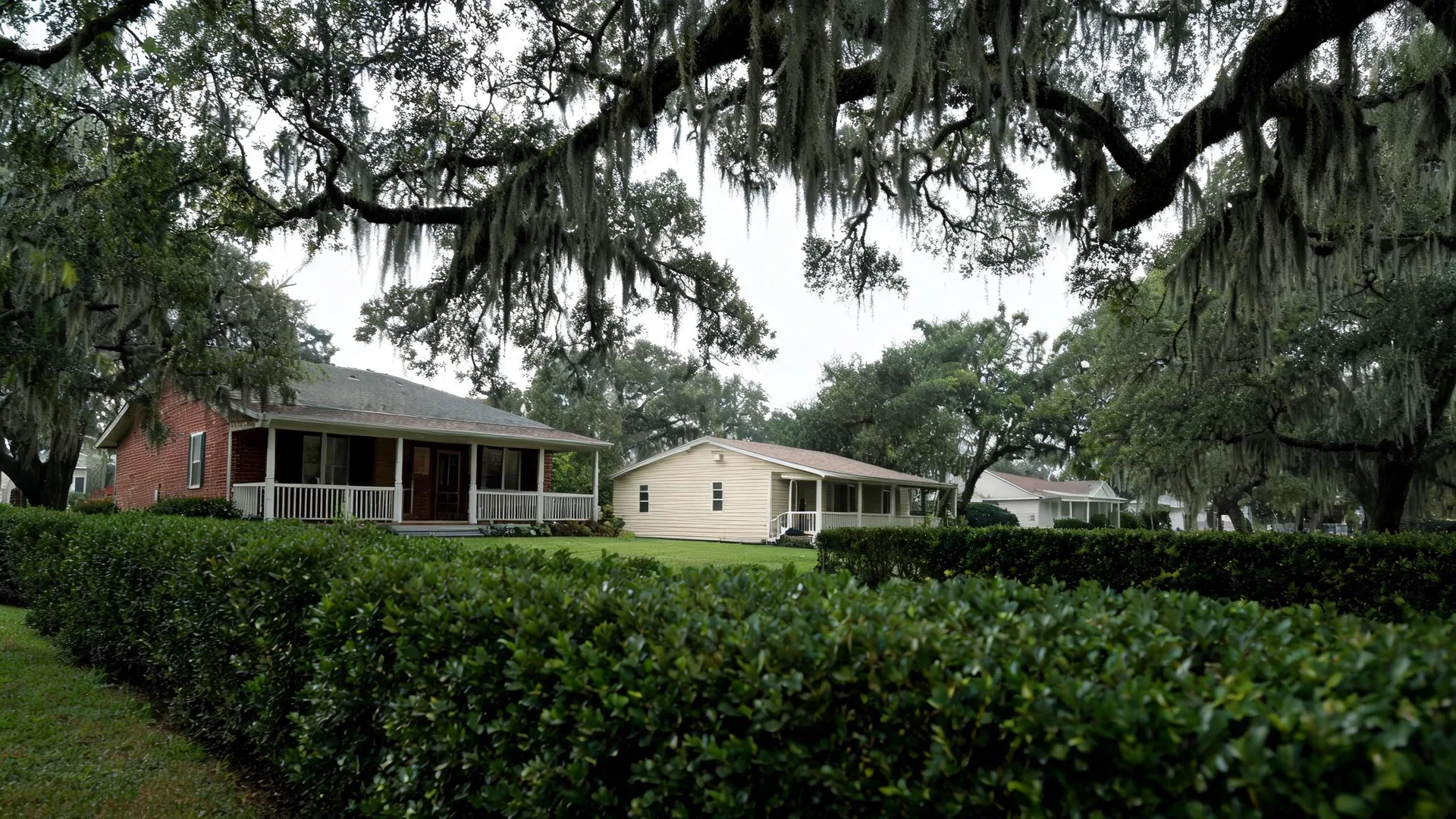
Takes about a minute. No obligation.
Tate County's housing skews newer than a lot of the state. A furnace that came with one of these newer homes usually hasn't been run into the ground.
If your furnace came with the house and the house is one of the newer ones, it likely has good years left in it. A repair is the call worth making first.
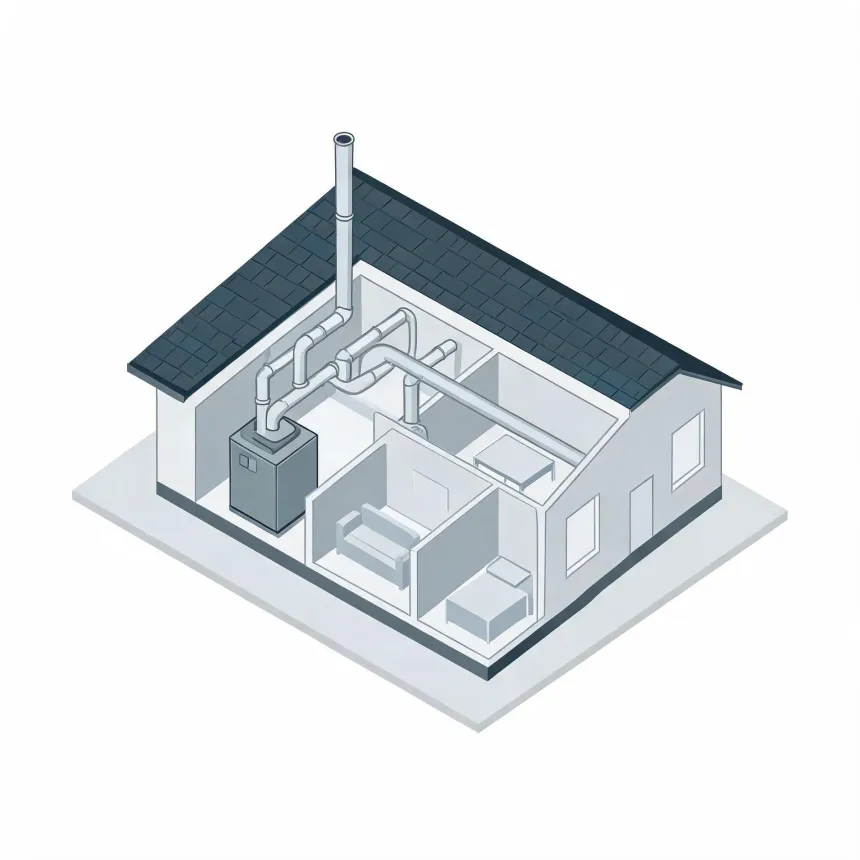
NOAA nClimDiv, 1991–2020 normals
Furnaces in Tate County only have to work about five months a year, November through March.
A furnace that sits idle most of the year usually isn't worn out, just broken.



A furnace tech can tell you fairly quickly whether the one in your house matches that story. Check the panel inside the furnace door, it usually lists the manufacture date. If that date lines up with a newer build, you're likely looking at a part that failed on its own, not a system in general decline. Mobile homes are a different case. About one in five houses in Tate County is a mobile home, and those furnaces are built and sized to the home itself, so a repair call there is still the right first move, just worth mentioning to the tech when they ask what they're coming out to look at.
Heat comes on here in November and runs through March. October is the last easy month before that first cold snap, which is the right time to get a furnace checked if something has been off with it. A part that was already weak usually shows it in those first weeks of real use.
Find a contractorFurnaces tend to fail in a handful of predictable spots. The igniter is the most common. It heats and cools every cycle it runs, and that stress eventually cracks it. A flame sensor fails quieter. It coats over time with a film until it can't tell the control board a flame is there, so the furnace shuts off a few seconds after startup. An inducer motor wears at the bearings and usually gets loud before it quits outright, so a new rattle or whine is worth paying attention to. A pressure switch can look fine sitting still and only fail once the inducer spins up and draws the vacuum it needs to see. None of this tracks with how many years the furnace has been in the house so much as how many times it has cycled on and off. A furnace that sits idle most of the year is still racking up cycles every time it answers a call for heat, same as one that runs more often.
If the furnace is short cycling, not igniting, or blowing cool air, a good diagnosis points to one failed part, a flame sensor, a control board, a pressure switch. Replacing that part should make the specific problem go away. If a tech can't tell you which part failed and why, that's worth asking about before you agree to the repair.
A furnace that's repaired well should run the rest of the season without another call. If the same symptom comes back within weeks, or a different part fails right after the last one was replaced, that pattern says more about the furnace's condition than any single breakdown does.
Before you call anyone, a few things are worth checking yourself. Go to the thermostat first and make sure it's set to heat, not just a temperature you want, and that the fan is set to auto. Check the furnace switch, it looks like a light switch near the unit and it's easy to bump off without noticing. Look at the filter. A filter clogged with dust can choke airflow so badly the furnace shuts itself down as a safety measure, and that's a fix you can do yourself in a few minutes. If the furnace has a standing pilot, see whether it's lit. If it's an older unit with a pilot light that's gone out, the instructions for relighting it are usually printed right on a panel inside. Last, check your breaker panel. A furnace that won't start at all, not even the blower, is sometimes just a tripped breaker. None of this tells you what's actually broken if the simple stuff checks out, but it rules out the calls that don't need a tech at all.
A diagnostic visit starts before any panel comes off. The tech asks what the furnace was doing right before it quit, short cycling, no heat at all, cold air from the vents, a smell on startup. Then the panels come off and the tech watches it try to run through a full cycle, since some failures only show up once the sequence gets past ignition. A pressure switch might be fine sitting still and fail once the inducer motor spins up. Readings come next, voltage at the control board, resistance across the flame sensor, amp draw on the motor, checked against what that part should read when it's good. That's how a tech tells you which part failed instead of guessing at it.