Half the homes here were built in 1990 or later
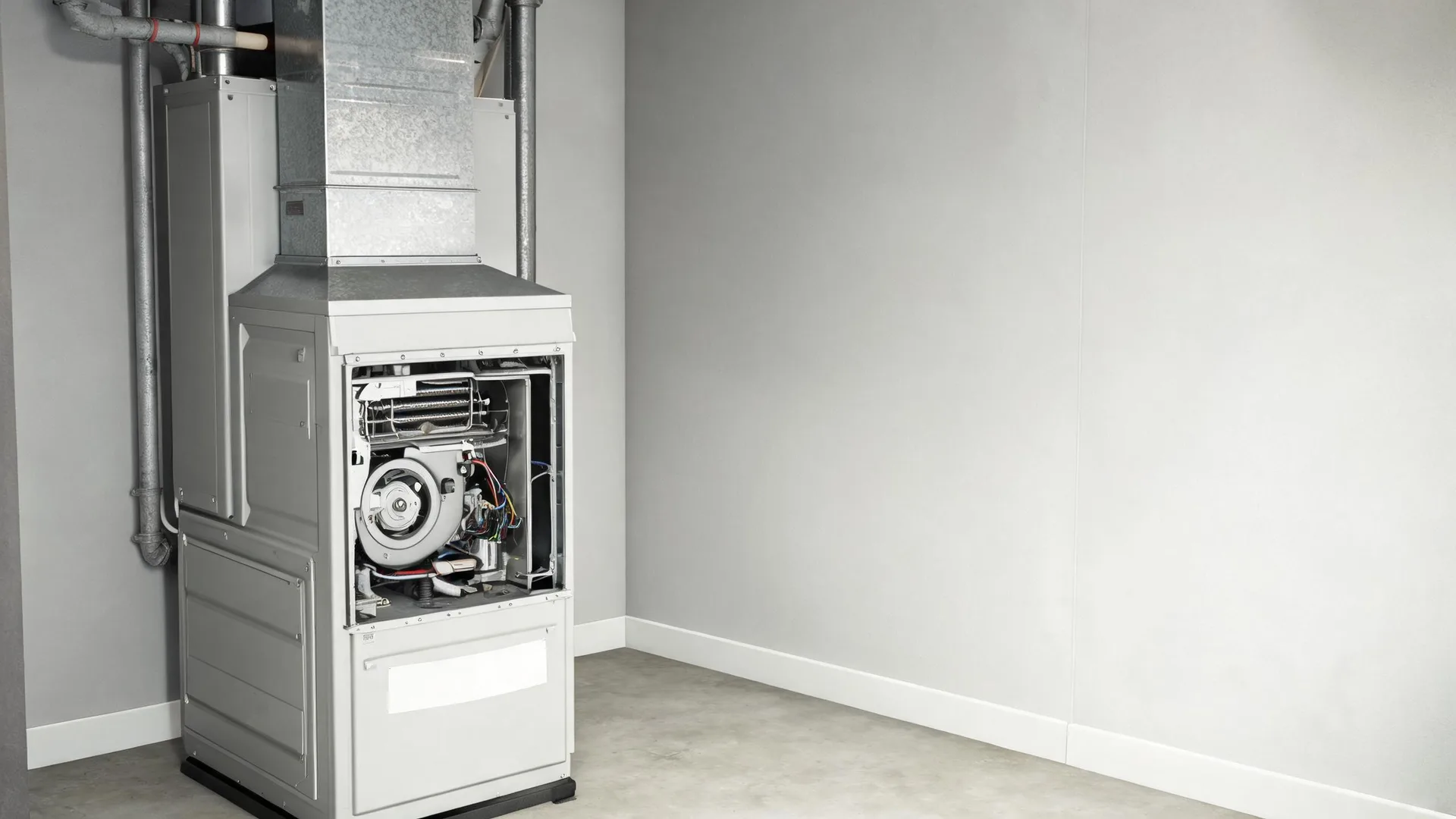
Pearl River County splits down the middle, half the homes built in 1990 or earlier and half in 1990 or later. A furnace that came with one of the newer houses has not been run into the ground.
Takes about a minute. No obligation.
Pearl River County splits down the middle, half the homes built in 1990 or earlier and half in 1990 or later. A furnace that came with one of the newer houses has not been run into the ground.
When a furnace still has years ahead of it, fixing the igniter or the blower motor makes more sense than replacing the whole unit. Worth asking when your system went in.
NOAA nClimDiv, 1991–2020 normals
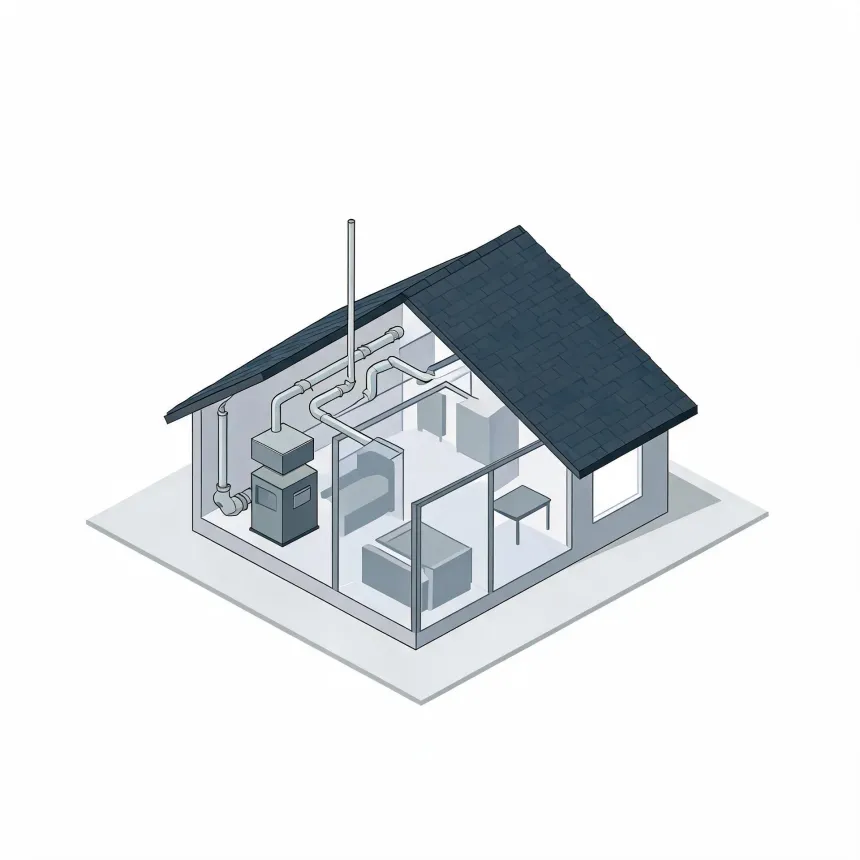
Furnaces in Pearl River County only run November through March, and even then overnight lows average 41°F.
A furnace that only has to work five mild months a year doesn't wear out the way one does up north, so a repair here is usually still a good bet.




A technician can usually tell you how many years a furnace has left just by looking at it. If your home was built recently enough that this is still the original furnace, ask what's wrong with it before you ask about a replacement. A cracked igniter or a failed flame sensor is a small job on a furnace that still has plenty of years in it. If the system has been swapped since the house was built, the furnace's own age matters more than the house's. Worth knowing before the call, either way.
Five mild months a year is not much strain. If the blower motor or the igniter is the problem, that is usually a straightforward fix on a furnace with years left in it. Have a technician check it before anyone talks about a new unit.
Find a contractorBefore anyone comes out, check the thermostat first. Make sure it's set to heat, not just fan, and the set point is actually above room temperature. Check the breaker and any switch near the furnace that looks like a light switch, that's the power cutoff and it gets bumped more than people think. Pull the filter and hold it up to a light. If you can't see through it, that's likely choking the airflow and can cause the whole system to trip off. Look at the flame through the viewing window if your furnace has one. A steady blue flame is normal. Yellow or flickering means someone needs to look at the burner. If the pilot or igniter won't hold and the unit keeps shutting down after a few minutes of running, stop resetting it and get it looked at, that pattern usually means a safety switch is doing its job.
A furnace that fires up, runs a few minutes, then shuts off and tries again is working its ignition system harder than it should. Each start puts load on the igniter or the pilot assembly. Left alone, that part fails for good instead of just acting up.
A bang when it first fires usually means gas is building up before it lights, not catching right away. A squeal points to the blower motor or its bearings. A rattle that comes and goes is often a loose panel, but worth checking since it can also be a part starting to come apart.
Most furnace failures trace back to a handful of parts, and they tend to go in the same order every time. The igniter is usually first since it heats up and cools down every single cycle, and that stress eventually cracks it or wears it out. A flame sensor is next, not because it breaks, but because it collects a thin film every time the burner fires, and that film eventually blocks it from sensing anything. The blower motor goes a different way, through its bearings, after years of spinning. Capacitors fail when they weaken and can no longer push the motor into motion. Pressure switches and limit switches rarely fail on their own, they just do their job and shut things down when airflow or venting isn't right. None of these parts fail at random. They fail from doing the one thing they're built to do, over and over, for years.
A diagnostic call starts before any panel comes off. A technician asks when the trouble started and what the furnace was doing right before, since that points to what's failing faster than pulling the whole thing apart does. Power and thermostat get checked first. Then the ignition system. Then the flame itself once it's lit. A multimeter on the igniter shows whether it's drawing the current it should. A look at the flame sensor shows whether it's clean enough to do its job. If the furnace is short cycling, the technician watches it run through a full start rather than guess from one symptom, because the same shutdown can trace back to a safety switch, a bad sensor, or airflow choked off by the filter. The visit ends with the part named, not just the symptom.