




An unfinished basement containing a gray HVAC furnace with ductwork, exposed wooden joists, a concrete floor, and miscellaneous clutter in one corner.

Furnace Repair in Magee, MS

Tell us about the job

Takes about a minute. No obligation.

RepairFurnace or heatingSimpson County, MS
Step 1 of 2

What ZIP code is the job in?

Simpson County saw 120 severe weather events between 2015 and 2024, most of it wind and hail with tornadoes mixed in. Any of that can reach a furnace's outdoor components or take out the power it runs on. A furnace needs electricity even when it burns gas, so when the power goes, it goes down too. Mississippi households lose power for a day or more often enough that it is worth planning around, not just waiting out.

5 months
November through March, your furnace is on duty
38°F
the average winter night it heats against
3 winter storms
in ten years, the nights a failure hurts most
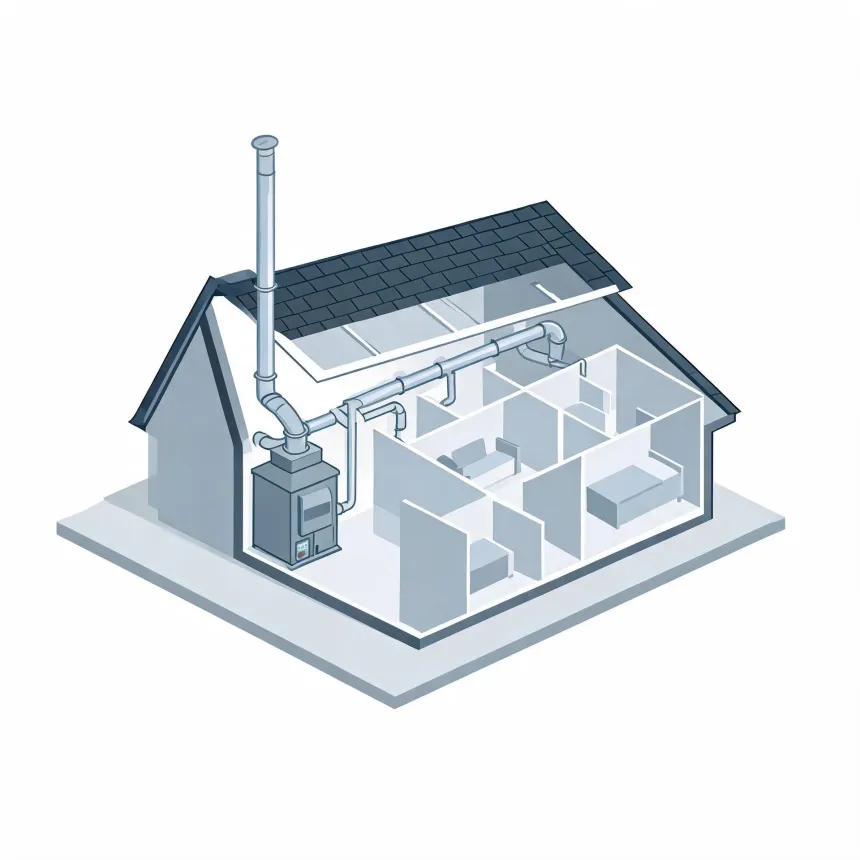
Isometric cutaway illustration of a house showing interior rooms with furniture, a furnace unit with a tall flue pipe outside, and ductwork running through the attic.
Your furnace works hardest from November through February.

NOAA nClimDiv, 1991–2020 normals

A furnace fails most often at the igniter or the flame sensor, not the burner itself.

A dirty flame sensor will shut the whole system down even though nothing is actually broken.

October is when to get it checked, before November puts a load on it

Heat runs November through March
Winter nights average 38°F
Climate zone 3A

Half the homes in Simpson County were built in 1986 or earlier, and half in 1986 or later. That split does not point to the igniter or the flame sensor one way or the other. Both parts fail the same way whether the house is old or new. Close to a quarter of the homes here are mobile homes, and a furnace in one works the same as a furnace anywhere else. Nothing about this county changes what is likely wrong or how to fix it.

After a storm, have the outdoor unit checked, even if the furnace still runs

If your furnace's outdoor components took a hit from wind or hail, get them looked at even if the furnace is still running fine right now. A cracked housing or bent part can fail later, and that's a worse time to find out.

Find a contractor
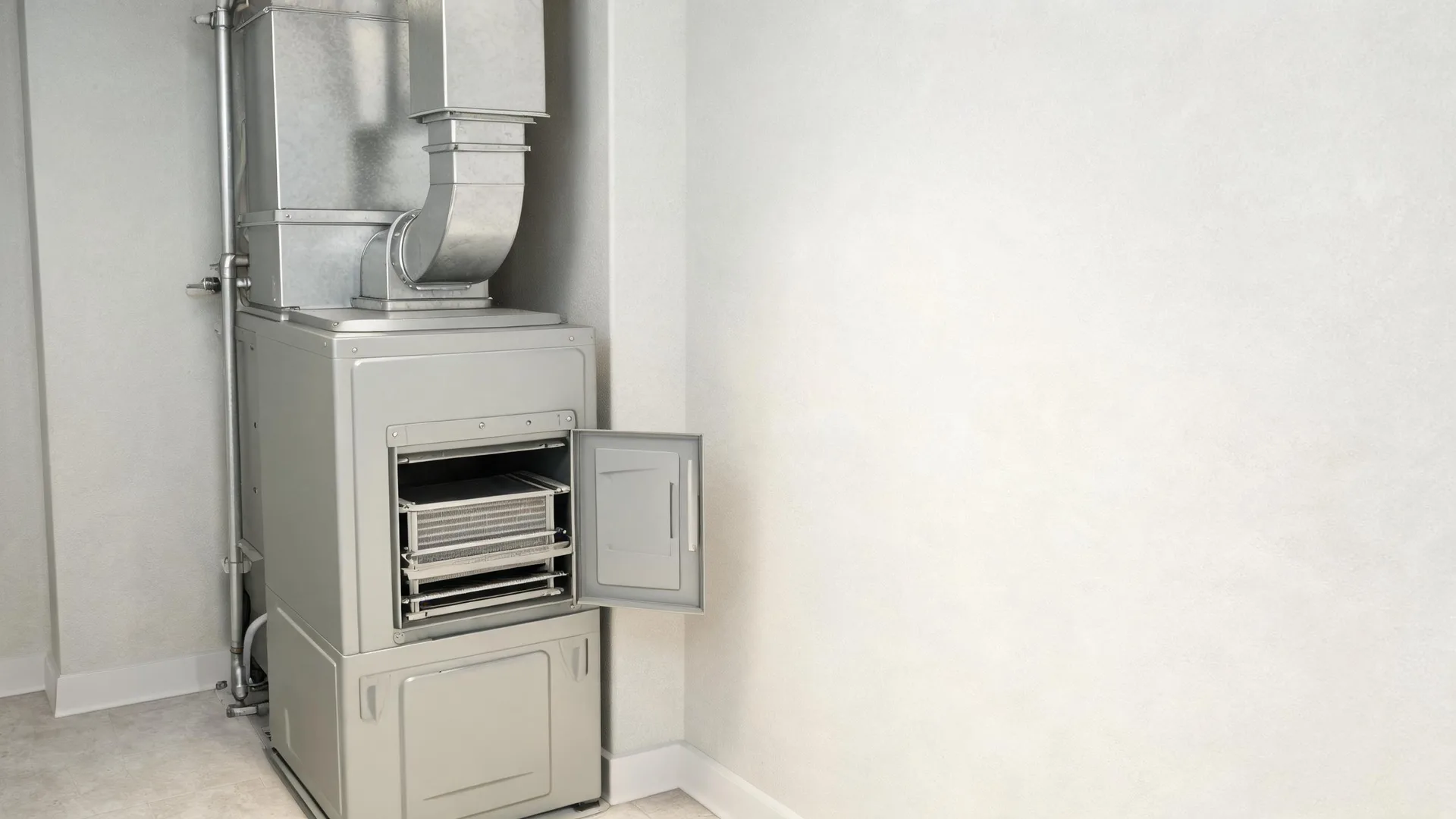
A gray residential gas furnace installed in an unfinished basement, surrounded by ductwork, a metal flue pipe, and a gas supply line.

Five months a year, mild nights. This furnace hasn't been worked hard.

Five months of work a year, and the overnight cold it has to answer isn't extreme, averaging 38°F through December, January and February. That's a light load next to what furnaces run in colder states. A furnace that gets this kind of rest tends to have more life left in it than its age alone would suggest. If yours is acting up now, the odds favor a fix over a replacement.

A cracked heat exchanger gets worse with every cycle

Heat makes metal expand, and a hairline crack in the heat exchanger opens wider each time the burner fires. Left alone, it stops being a small crack and starts leaking exhaust into the air the blower pushes through the house. Shutting the furnace down when you first hear a tick or smell exhaust keeps the damage from spreading.
A dirty flame sensor can take the igniter with it

When a flame sensor is too coated to do its job, the system shuts off and tries to light again, then shuts off and tries again. That repeated cycling wears on the igniter, which isn't built to strike that often. A part that only needed cleaning can end up taking a second part down with it.

Short cycling is one of the first things you'll notice. The furnace fires, runs a few minutes, shuts off, then starts again, and the house never quite gets warm. That points to a flame sensor losing its signal or a limit switch tripping because airflow is restricted somewhere. A burner that won't stay lit, or lights with a pop instead of a steady whoosh, usually means the igniter is weakening or gas pressure is off. Cold air out of the vents while the blower runs tells you the burner isn't lighting at all, even though the fan thinks everything's fine. A burning smell beyond the first few minutes of a cold start, or a ticking sound from the cabinet, means stop running it and get it looked at before the next cycle.

A diagnostic visit starts before any panel comes off. The tech asks what you've noticed, when it happens, and whether it's every cycle or just sometimes. That matters, because a furnace that won't light at all points somewhere different than one that lights, runs a few minutes, and quits. Next comes a look at the burner flame itself, since the color and shape tell their own story about airflow and gas mixture. The flame sensor and igniter get checked and cleaned regardless, since both sit in the path of combustion byproducts and both foul over time. Airflow gets checked too, because a restricted filter or blocked vent can trip a limit switch and mimic a failing part that's actually fine. Only after all that does the tech say what's actually wrong, rather than guessing from the first symptom you mention.