Two white Southern-style homes with wraparound porches lit by landscape lighting at night, flanked by live oak trees hung with Spanish moss.

Furnace Repair in Columbus, MS

Tell us about the job

Takes about a minute. No obligation.

RepairFurnace or heatingLowndes County, MS
Step 1 of 2

What ZIP code is the job in?

Short cycling wears out the parts that start it

A furnace that fires up, runs a few minutes, then shuts off again is usually tripping a safety switch. That switch might be catching a cracked heat exchanger, a clogged filter, or a blower that can't move enough air. Each time it happens, the ignition system takes another hit.

A burner that won't hold a steady flame needs a look now

Flames that flicker, roll out past the burner, or turn yellow instead of blue point to a combustion problem, not a minor adjustment. This is the kind of thing to get checked right away rather than waiting to see if it gets worse.

5 months
November through March, your furnace is on duty
35°F
the average winter night it heats against
6 winter storms
in ten years, the nights a failure hurts most
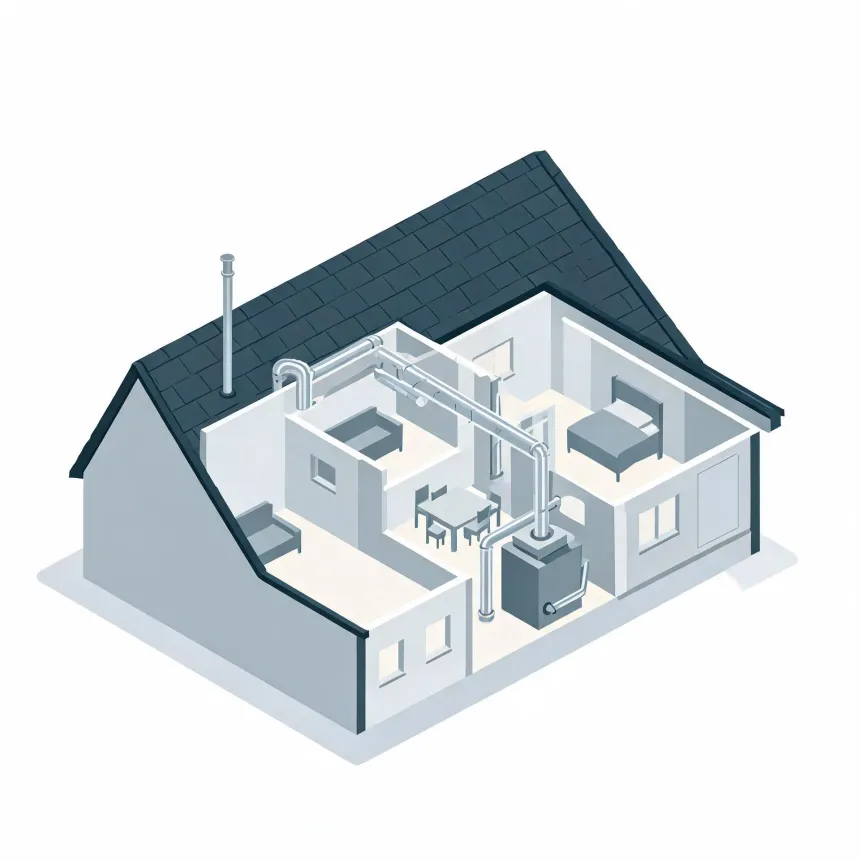
Isometric cutaway illustration of a single-story house with a dark shingled roof, showing interior rooms with furniture and a ducted furnace unit connected to metal ductwork and a roof flue.
Your furnace works hardest from November through February.

NOAA nClimDiv, 1991–2020 normals

Furnaces in Columbus only run about five months a year, November through March.

A furnace that sits idle most of the year usually has some life left in it, which makes repair the right call more often than not.

The first cold snap in November finds the weak part first

Heat runs November through March
Climate zone 3A
Winter nights average 35°F
These homes are newer than you'd thinkHalf the homes in Lowndes County were built in 1981 or later.

Most furnace problems in Columbus trace back to something ordinary. A dirty filter. A worn igniter. A thermostat that has lost its calibration. Nothing about the climate here puts extra strain on a furnace beyond what any home needs through a normal winter. Electricity here runs $39.26 per million Btu, so a furnace working harder than it should, running longer cycles or kicking on more often, shows up on the bill before it shows up as a breakdown. If yours is acting up, it is worth having someone check the usual places first rather than assuming the worst.

It's usually worth repairing

It has an easier job here than in most places, so your furnace is often in decent shape. Repair is usually worth it.

Find a contractor
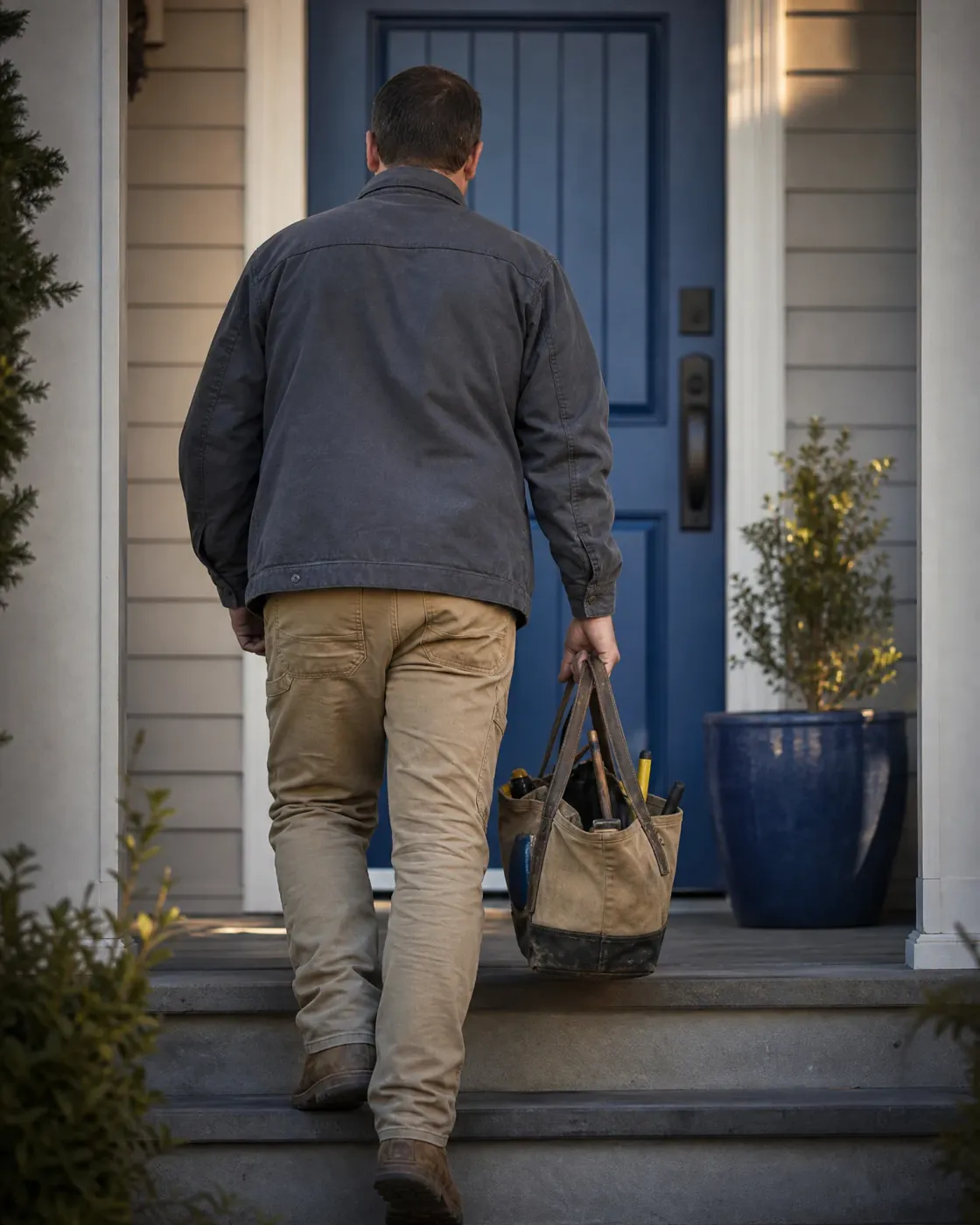
A man in a dark jacket and tan pants, seen from behind, carries a canvas tool bag up concrete steps toward a blue front door of a house with light horizontal siding and a potted shrub in a blue planter.
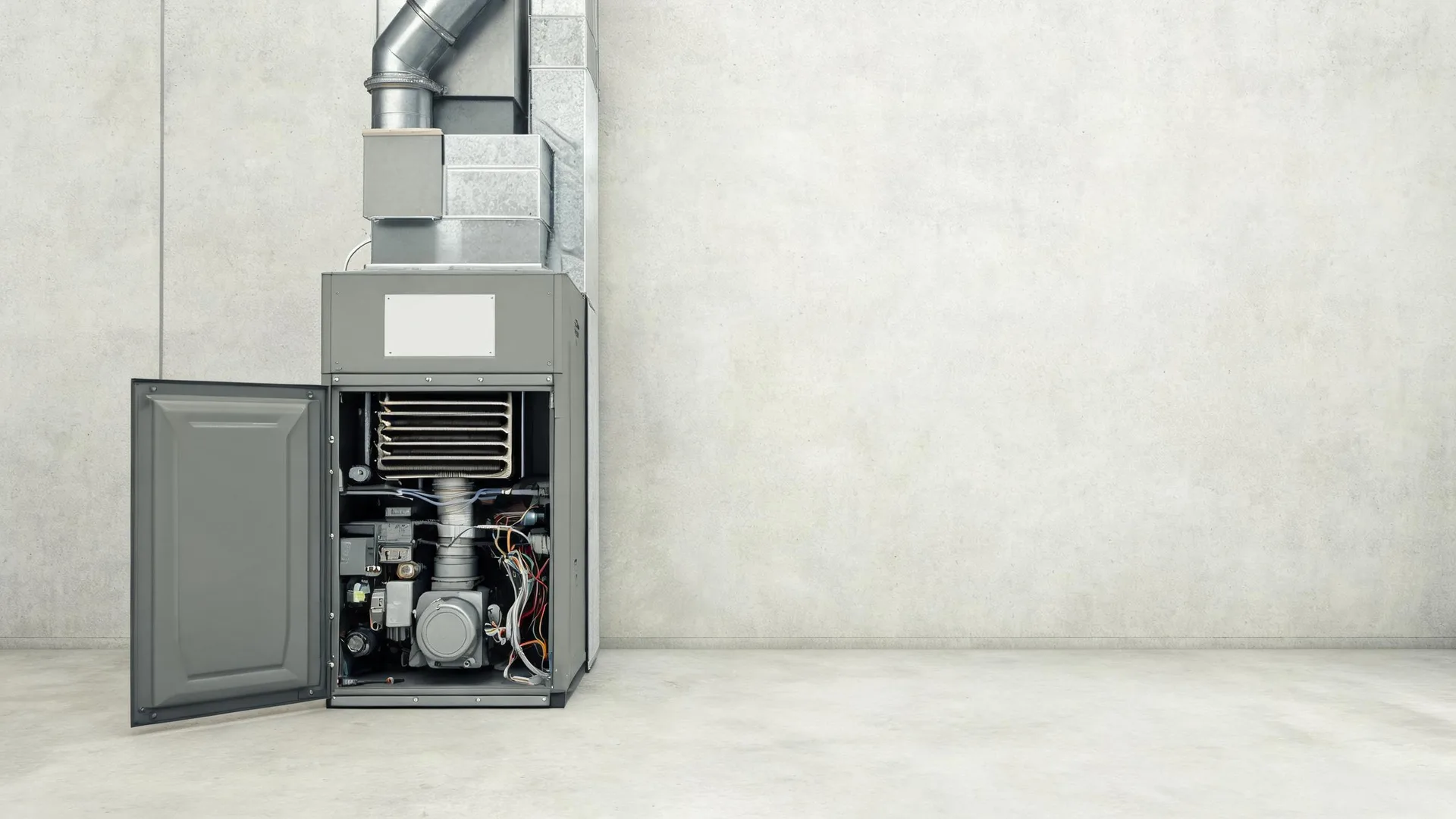
A gray residential gas furnace installed in an unfinished basement, surrounded by ductwork, a metal flue pipe, and a gas supply line.

It hasn't earned a replacement yet

Five months of work a year leaves a furnace with a lot of years still in it. If yours is on its tenth or fifteenth winter, that alone is not a reason to replace it. Get the actual problem looked at first. A technician can tell you whether the part that failed is worth fixing on a furnace with this little wear on it, and most of the time it is.

Igniters and sensors wear out from repeated use

A hot surface igniter is a thin strip that heats up every time the furnace calls for heat, and that strip gets more brittle each cycle until it cracks. A flame sensor sits in the burner flame and builds up a film over time that keeps it from reading the flame right. Both are small parts with a limited number of cycles in them, and both are common reasons a furnace stops lighting or shuts off right after it does.

Airflow problems cause most of the damage after that

A blower that can't pull enough air through a dirty filter or blocked vent makes the heat exchanger run hotter than it should. Over seasons that heat stresses the metal and can crack it. A cracked heat exchanger is the one failure that isn't a simple repair, and it almost always traces back to something restricting airflow that went unchecked.

Before anyone comes out, a few things are worth a look. Check the filter first. Hold it up to a light, and if you can't see through it, that alone could be causing the problem. Make sure the thermostat is set to heat and the temperature is actually set above room temperature, not just sitting there. Walk around the furnace and check that nothing is blocking the return air vent or the supply vents in the rooms. If the furnace has a reset switch, usually a small red button on the unit, it can be worth trying once. Check that the furnace switch, the one that looks like a light switch near the unit, hasn't been bumped off. If the breaker for the furnace has tripped, it's fine to reset it once, but if it trips again, stop and leave that to someone who can find out why.

A diagnostic visit starts with questions. What was the furnace doing right before it quit. Short cycling, blowing cold air, making noise, or just not firing at all. That answer narrows things down before the panel ever comes off. From there a technician works in order, checking the thermostat call, then power to the board, then whether a flame lights, then how long that flame holds. Each step rules something out rather than guessing at the answer. If a safety switch tripped, the job is to find what tripped it, not just reset it and walk away. The failed part is usually easy to spot. Why it failed is the question worth answering.