White two-story houses with wraparound porches and Spanish moss-draped oak trees photographed along a residential street at night.

Furnace Repair in Sumrall, MS

Tell us about the job

Takes about a minute. No obligation.

RepairFurnace or heatingLamar County, MS
Step 1 of 2

What ZIP code is the job in?

A small problem can take out the heat exchanger

A furnace that's short cycling or struggling to light is already under strain. Keep running it that way and a failing igniter or flame sensor can crack the heat exchanger. That repair is bigger than the one you started with, and sometimes it means replacing the furnace instead of fixing it.

A new noise or a limit switch trip means shut it down

If the furnace is making a sound it didn't make before, tripping its limit switch, or blowing cool air in spells, turn it off and get a technician out rather than let it keep running. Caught early, most of these are a single part swap. Pushed further, they can take the blower motor with them.

5 months
November through March, your furnace is on duty
40°F
the average winter night it heats against
3 winter storms
in ten years, the nights a failure hurts most
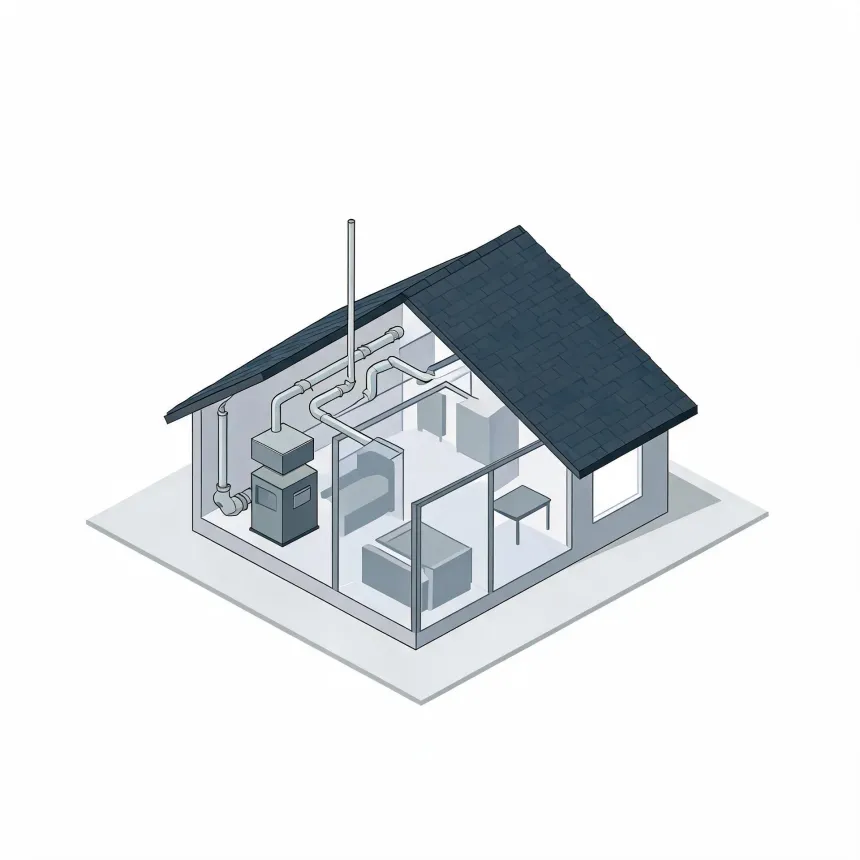
Isometric cutaway illustration of a small house with a dark shingled roof, showing an interior furnace unit, ductwork, and a flue pipe extending through the roof.
Your furnace works hardest from November through February.

NOAA nClimDiv, 1991–2020 normals

Furnace here only runs about five months a year, November through March.

A furnace with a workload that light is usually still in decent shape, so fixing it is usually the right call.

Lamar County storms are hard on the outdoor parts of a heating system, too

148 severe weather events from 2015 to 2024
30% of homes statewide lost power a day or more in 2024
101 damaging wind events from 2015 to 2024

October is the month to get the furnace looked at here, before November turns the heat on for the season. A furnace that's sat idle since March doesn't show its weak spots until the first real load hits it. That's usually in the first cold week, not before. Checked in October, a problem is still a small fix. Found in November because the heat didn't come on, it's an emergency call instead of a scheduled one.

A newer furnace is worth repairing

Half the homes in Lamar County were built in 1999 or later. If that's your house, your furnace is probably well within its working life, and whatever's wrong with it right now is almost always worth fixing rather than replacing.

Find a contractor
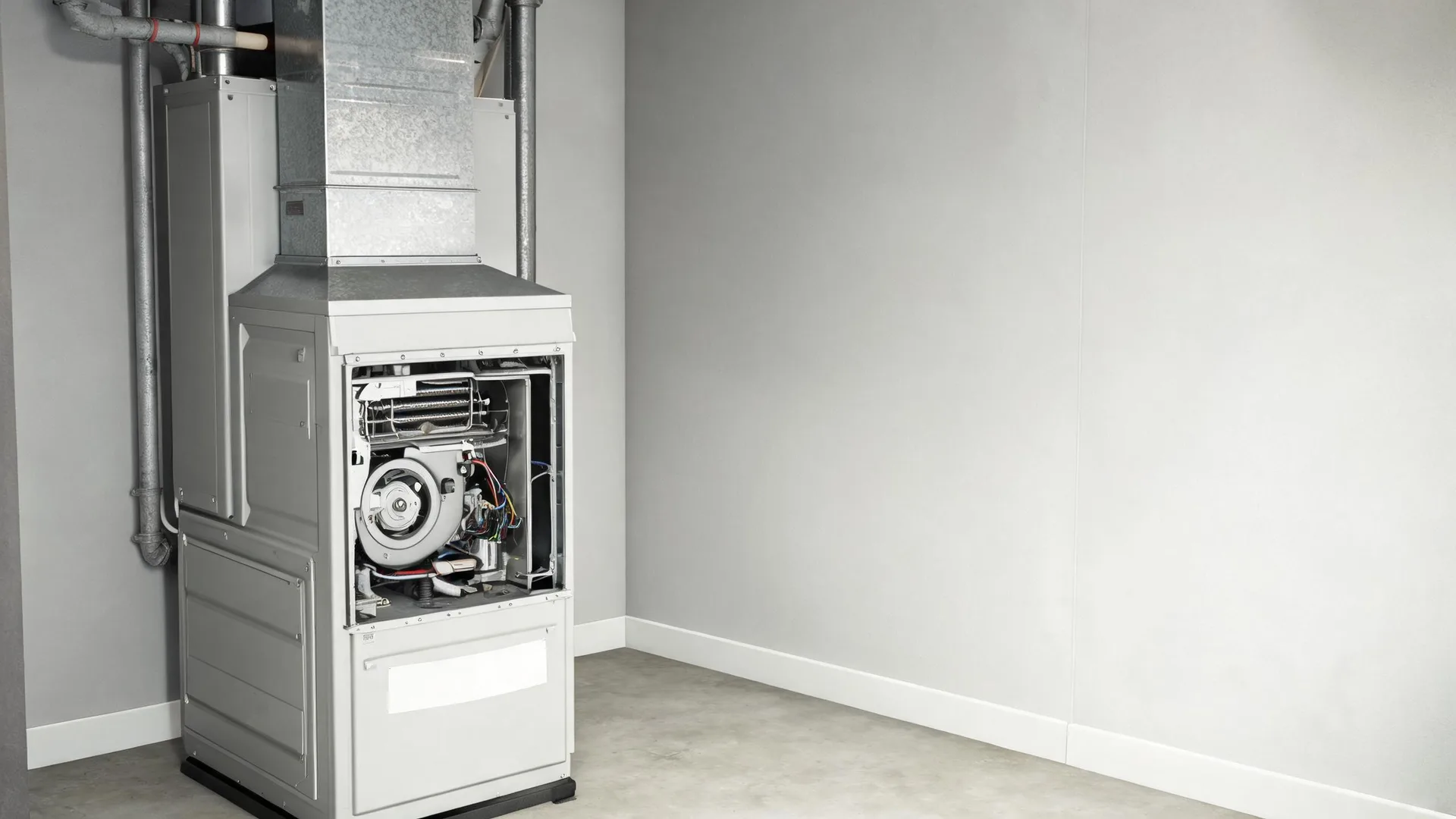
A gray residential gas furnace installed in an unfinished basement, connected to sheet-metal ductwork and PVC pipes.

Five months a year, then it sits

Cold nights here average 40°F, not far below the thermostat setting. That's a moderate call for a furnace to answer, not a hard one, which is part of why one that's been maintained tends to still be in good working order when something finally goes wrong. Get the actual part fixed instead of pricing a replacement first.

Most failures start with ignition

An igniter wears out from switching on and off hundreds of times over a season, and it's the part that usually goes first. A flame sensor can get a thin layer of residue on it until it can no longer tell the burner is lit, so the furnace shuts itself down as a safety measure. Neither failure is dramatic. The furnace just won't stay running.

Airflow problems wear out other parts

A dirty filter or blocked vent makes the blower motor work harder and run hotter than it should. Over time that extra strain is what takes out the motor itself, or trips the limit switch that's watching for too much heat built up inside the cabinet. The part that fails isn't always the part that started the problem.

Short cycling is one of the clearer signs something's wrong. The furnace fires, runs for a short burst, then shuts off before the house warms up, and starts the whole cycle over again. That's usually the flame sensor losing its ability to detect the flame, or a clogged filter choking the airflow until the furnace trips its own safety switch. A furnace blowing air that's room temperature instead of warm often means the igniter never caught in the first place, so the blower is running with no flame behind it. Rattling, screeching or a boom at startup are worth paying attention to too, since a quiet furnace that suddenly isn't quiet is telling you a part has worn loose or is about to fail. None of these mean the furnace is done. They mean something specific inside it needs attention before it takes another part down with it.

A diagnostic starts before the panel comes off. A tech wants to know what the furnace is doing wrong, when it does it, and whether it throws a code at the control board, because that narrows down where to look first. The panel comes off to check the igniter's resistance and the flame sensor's reading, since both wear out in ways you can measure rather than just see. Airflow gets checked too, the filter, the return vents, the blower wheel, because a furnace starved for air will fail parts that had nothing wrong with them to start. Only after that does the tech say what's actually broken and what it takes to fix it.