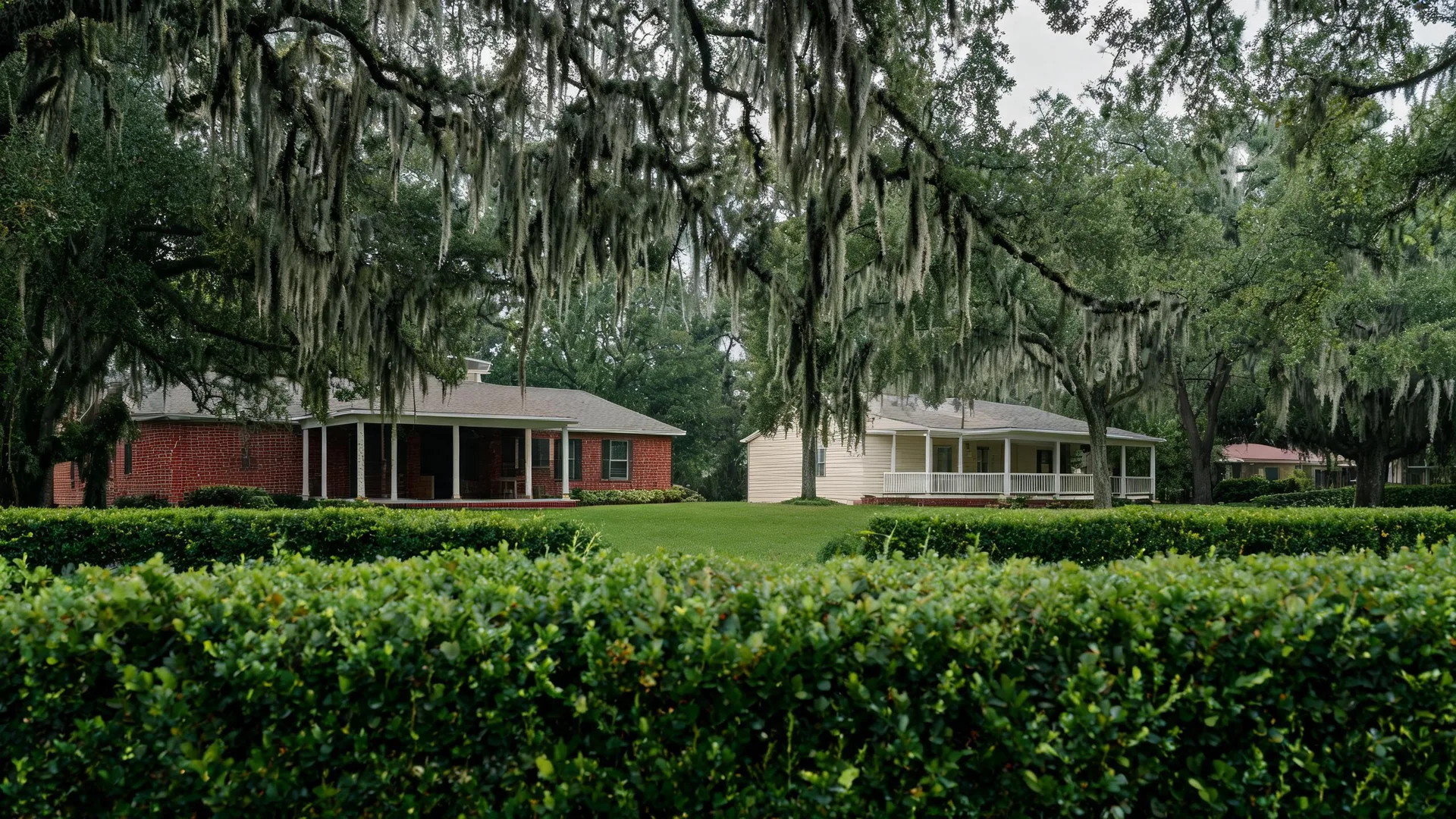





A red brick single-story house with a covered porch and a nearby cream-colored house with a wraparound porch, seen across a lawn behind a trimmed hedge, framed by large moss-draped oak branches.

Furnace Repair in Tupelo, MS

Tell us about the job

Takes about a minute. No obligation.

RepairFurnace or heatingLee County, MS
Step 1 of 2

What ZIP code is the job in?

A furnace that's making a bad sound or tripping its limit switch is telling you something, and running it anyway doesn't give it a chance to fix itself. A cracked heat exchanger gets worse with every cycle, not better. A flame sensor coated in buildup makes the igniter work harder each time it tries to light, until it quits lighting at all. Even something as simple as a dirty filter forces the blower motor to strain against airflow it shouldn't have to fight, and that kind of strain shortens the motor's life. The furnace won't tell you when it's crossed from inconvenient to unsafe. That's why a problem caught early is usually a repair, and the same problem ignored is usually a replacement.

5 months
November through March, your furnace is on duty
34°F
the average winter night it heats against
6 winter storms
in ten years, the nights a failure hurts most
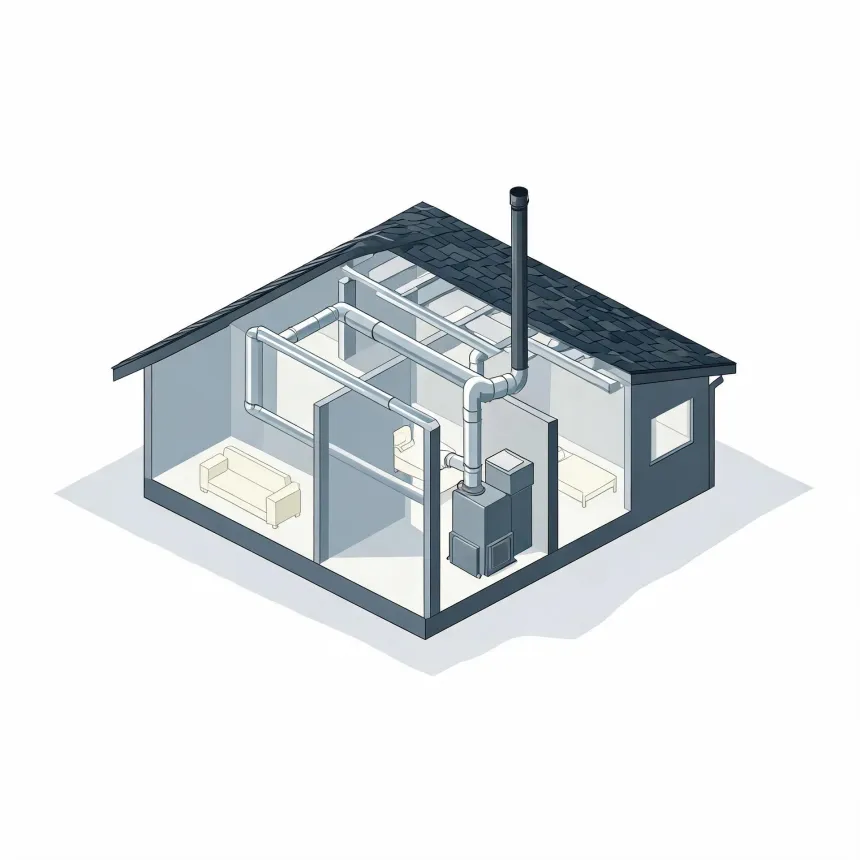
Isometric cutaway illustration of a small single-story house showing a furnace with a flue pipe through the roof and ducting running to rooms containing a sofa, chair and bed.
Your furnace works hardest from November through March.

NOAA nClimDiv, 1991–2020 normals

Electricity in Mississippi runs $39.26 per million Btu, and a furnace that short-cycles or runs longer than it should burns through more of it every month.

Tupelo homes don't need anything special from a furnace repair, just the usual fix done before a small problem turns into a bigger bill.

Furnace repair calls in Tupelo start climbing the week heat turns on in November

Heat runs November through March
Winter nights average 34°F
Climate zone 3A
Five months of work a yearLee County furnaces heat from November through March, with overnight lows averaging 34°F.

Half the homes in Lee County were built in 1988 or later, so a lot of furnaces here are going into houses that aren't old by any measure. If your furnace came with a newer house, it's likely still well inside its working life, and a repair makes more sense than a replacement. A furnace that's never been pushed hard by age is usually failing over one bad part, not giving out altogether. Worth checking when your house was built before deciding how far to take a repair.

Get the usual fix

Nothing about this area is especially hard on it. It's most likely the usual problem with the usual fix.

Find a contractor
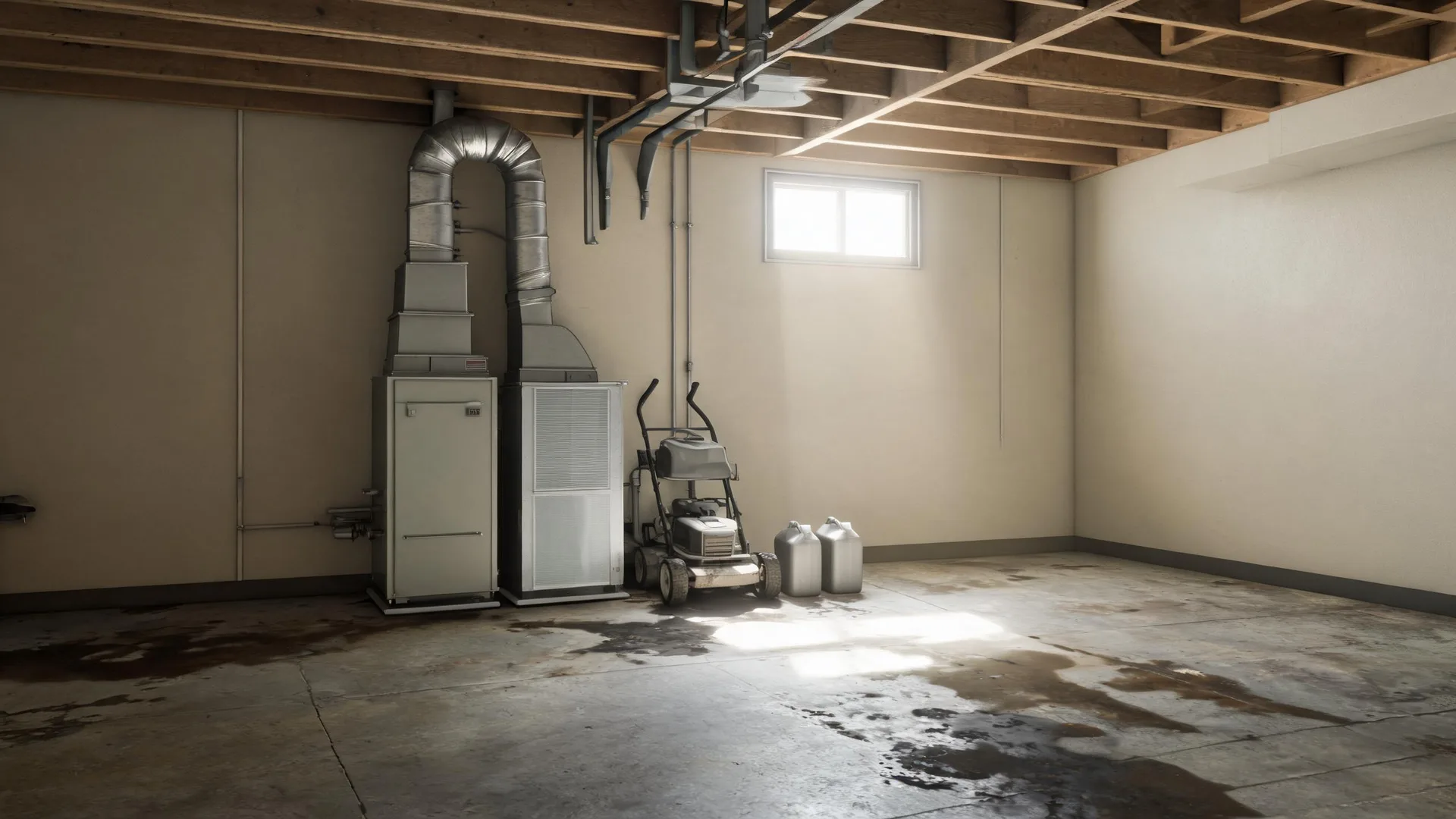
A gray gas furnace with attached ductwork and piping installed in an unfinished concrete basement.

A young furnace has time on its side

Five months of real work a year isn't much to ask of a furnace that's still within its working life. If yours came with a newer build, the wear from one season to the next is minor. Fixing the part in front of you makes more sense than planning around a failure that hasn't happened.

What you'll notice first

A furnace in trouble usually says so before it quits. The burners might kick on with a bang instead of a quiet whoosh. The blower might run so long after the heat shuts off that you wonder if it forgot to stop, or it might cycle on and off every few minutes instead of running a normal stretch. The air coming out of the vents might be lukewarm instead of hot, or one room might run cold while the rest of the house is fine. Any of these is the furnace telling you something specific is wrong, not just getting old.
What's worth a same-day call

A burning or metallic smell, soot around the furnace cabinet, or a carbon monoxide alarm going off means stop running it and get someone out now, not later. Those point to a cracked heat exchanger or a venting problem, and both put combustion exhaust somewhere it shouldn't go. A furnace that won't light at all, or trips its breaker every time it tries, can usually wait for a scheduled visit. The difference is whether the furnace is failing to work or working in a way that's dangerous.

Most furnace failures trace back to one of a handful of parts, not old age. The igniter is the usual one. It's a thin strip that glows hot enough to light the gas, and that cycle of heating up and cooling down over and over is exactly what makes it brittle until it cracks. A flame sensor works differently but fails the same way, just coated in a film of buildup until it can't tell the control board a flame is there, so the board shuts the gas off as a precaution. The draft inducer motor pulls exhaust out through the venting before the burners are allowed to light, and when its bearings wear out the furnace won't start at all. Capacitors in the blower motor weaken slowly, so the motor strains to start and runs rough long before it quits outright. None of these are random. Each one wears in its own way, which is exactly why the fix is almost always replacing that one part, not the furnace.

A diagnostic call starts with the control board. Most boards keep a memory of fault codes even after the furnace locks itself out, and a tech reads that code before doing anything else. The code points to a system, not always the exact part, so the next step is testing in order. Gas pressure at the valve. Voltage across the igniter. Microamp signal from the flame sensor. Airflow through the filter and ducts. Each test rules something out until one thing fails to measure up. The burners get looked at directly too, because scorch marks or a yellow flame instead of blue tell you something a meter won't. The visit ends with the part identified, not guessed at. Swapping parts without testing just moves the problem somewhere else.