

Heat pump vs furnace in Lincoln County, Mississippi

Get an Install Quote

Heat pump or furnace, one form

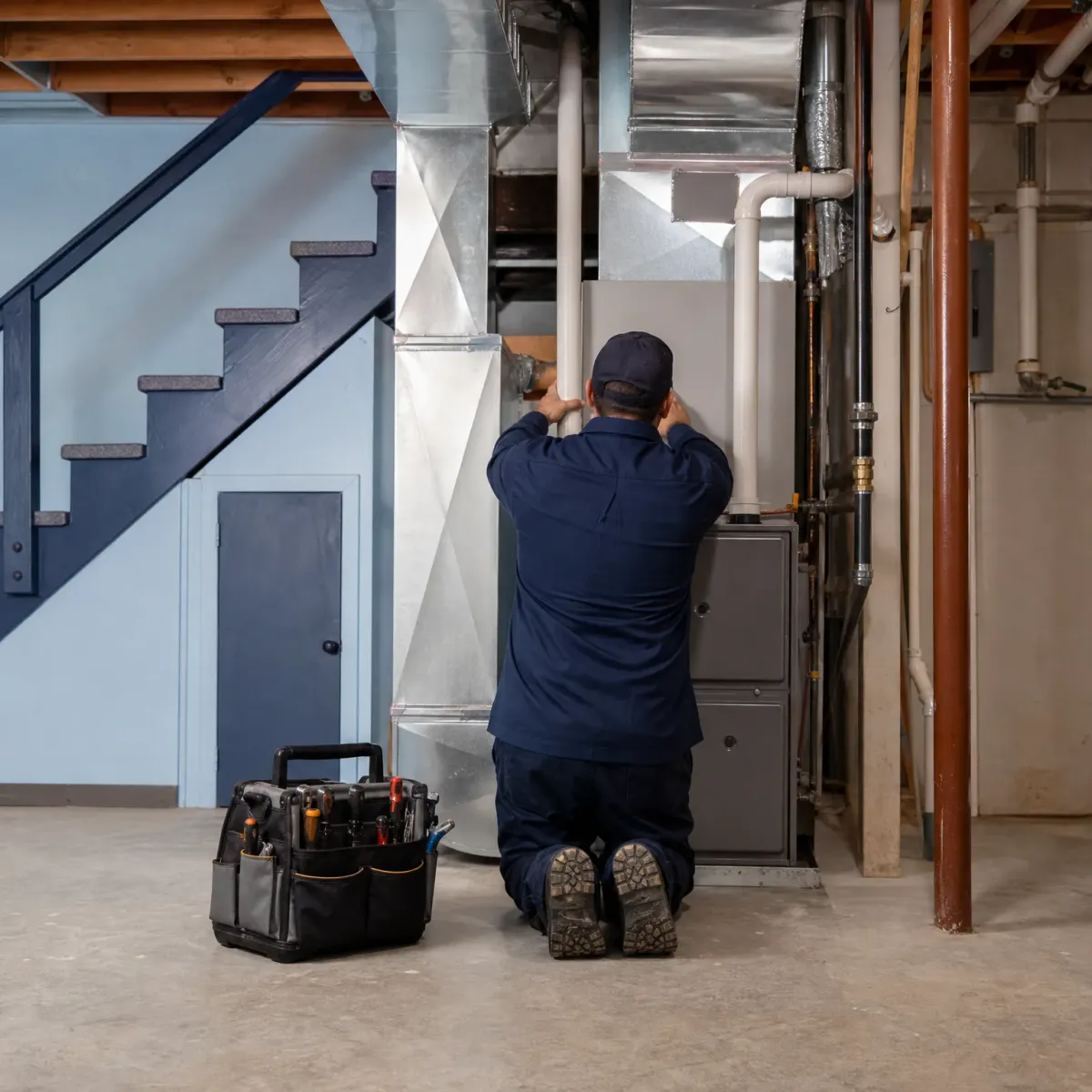
A person in dark blue work clothes and cap kneels in a basement facing a furnace and metal ductwork, with an open tool bag on the floor beside them and a painted staircase in the background.

Tell us about the job

Takes about a minute. No obligation.

New system or replacementLincoln County, MS
Step 1 of 3

What kind of equipment?

Which costs less to run in Lincoln County?

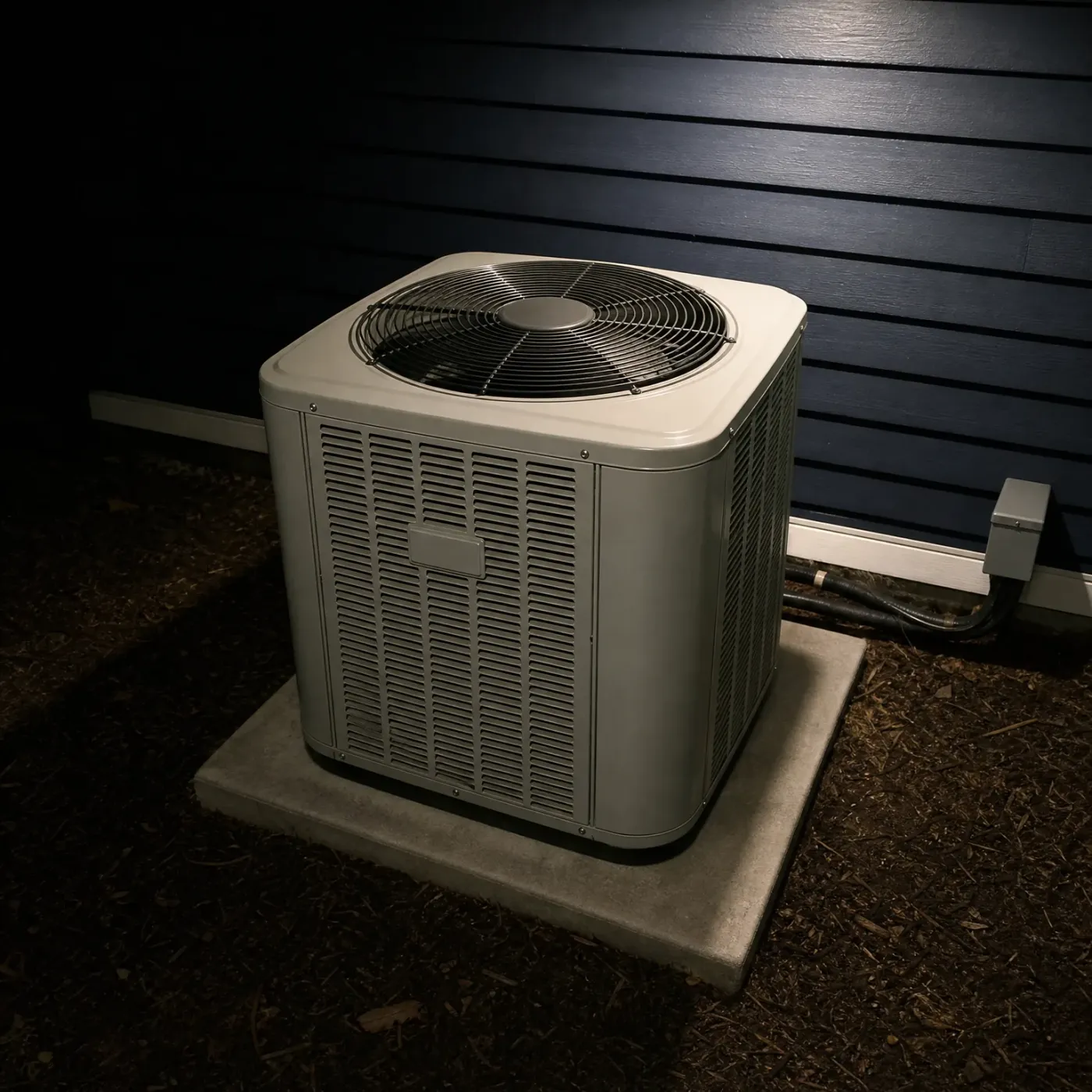
An outdoor air conditioner condenser unit with a top-mounted fan grille sits on a concrete pad next to dark horizontal siding, with mulch around it and a disconnect box and refrigerant lines on the wall.

Heat pump

To heat your home here$1.79per 100,000 Btu

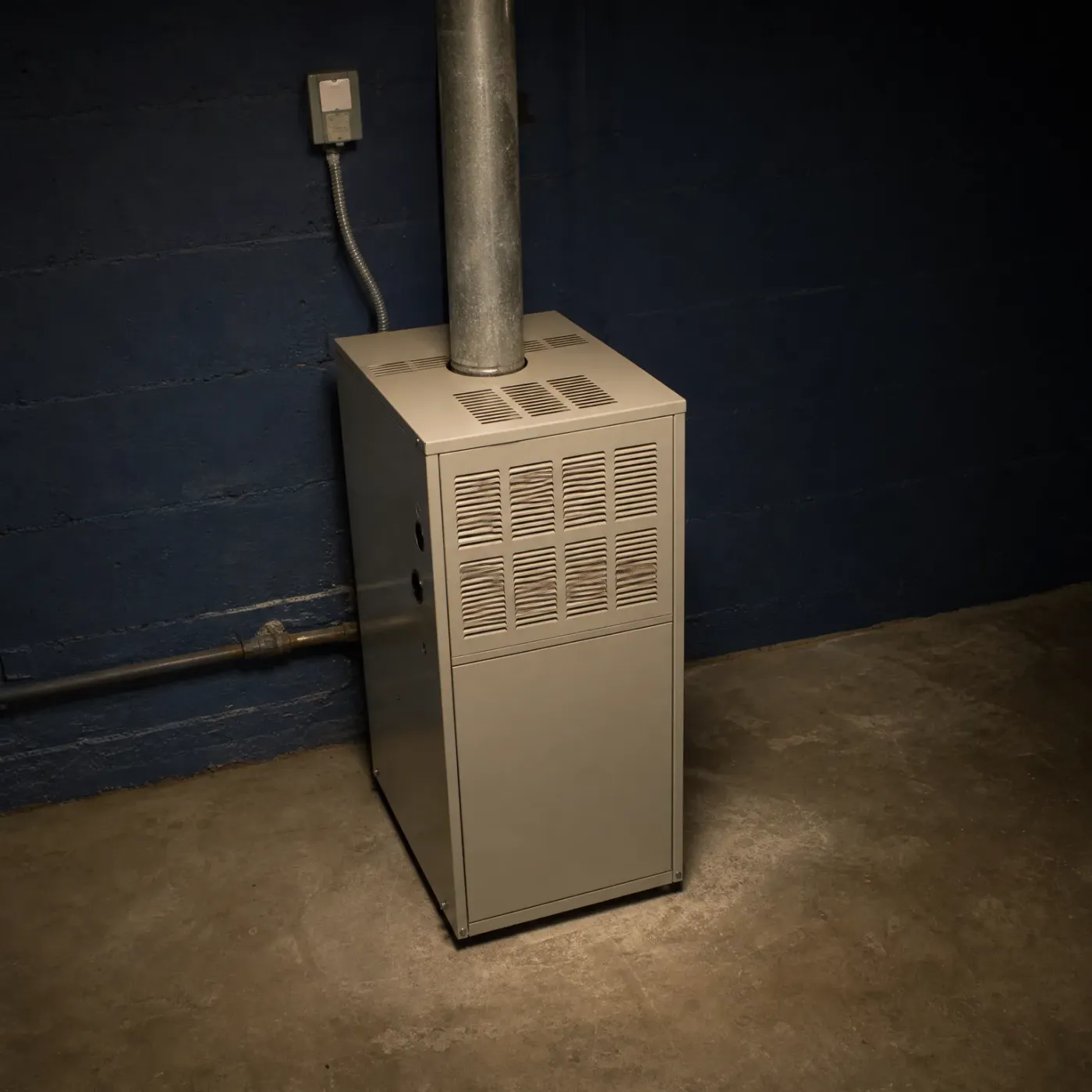
A beige sheet-metal furnace with louvered vent panels stands against a dark blue painted block wall in a basement, with a metal flue pipe rising from its top and a gas pipe and electrical box on the wall behind.

Furnace

To heat your home here$1.88per 100,000 Btu

At Mississippi's gas and electricity prices, a heat pump and a gas furnace cost about the same to run here.

Btu stands for British thermal unit, the standard measure of heat energy.

Where does a heat pump shine?

  • Made for mild winters

    Winter nights here average 39°F, which is well within the range a heat pump handles without strain. It can pull heat from that air all winter long and keep up without working overtime.

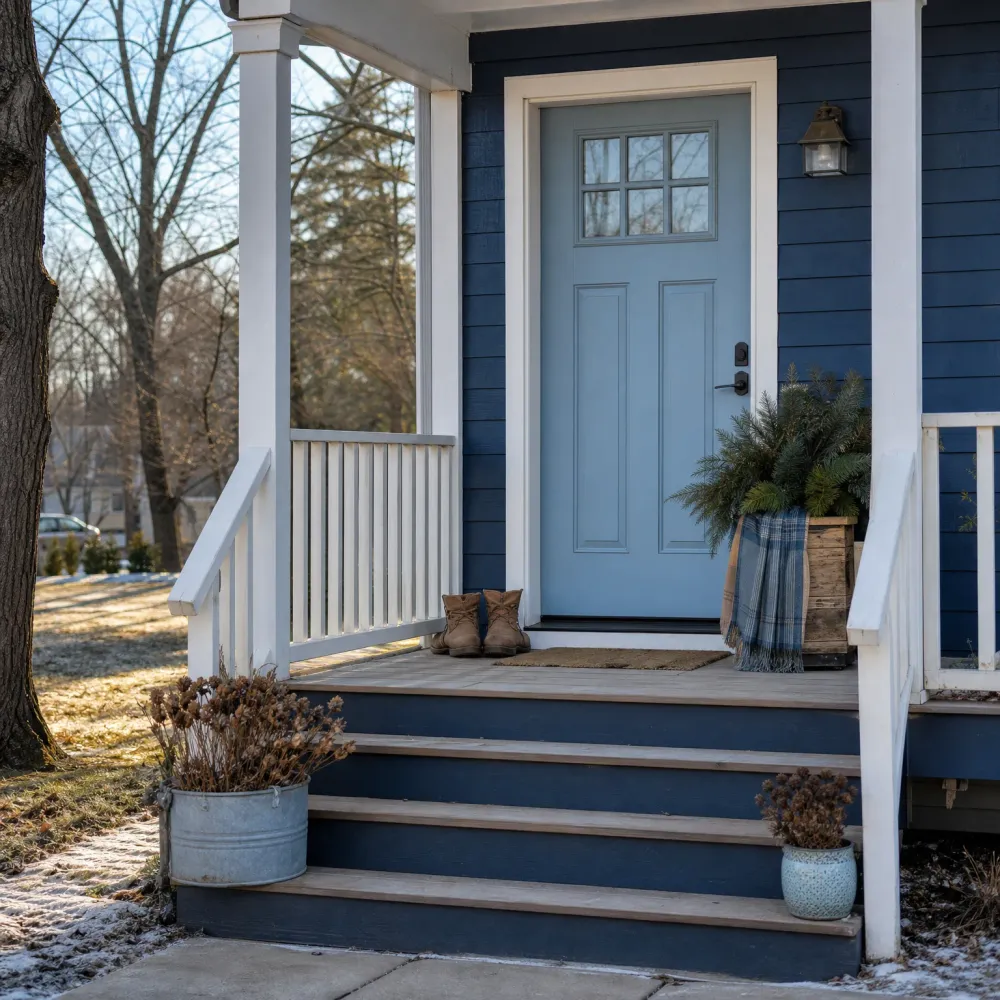
    A navy blue clapboard house with a white-railed porch, light blue front door, wooden steps, boots and a doormat, a crate of evergreen branches with a plaid blanket, and potted dried plants, with patchy snow on the ground.
  • No gas line, nothing burning in the house

    A heat pump runs on electricity alone. Nothing burns inside the house.

    A kitchen island with a white stone countertop holding a black induction cooktop, a light blue stovetop kettle with a wooden handle, and a ceramic jar of wooden utensils, with navy cabinets, a sink under a window, and a wicker chair in the foreground.
  • Heats and cools in one system

    Winter and summer are covered by the same outdoor unit. That's one machine to service instead of two.

    A living room with blue interior shutters framing a window overlooking a green garden, a cream sofa with blue cushions and a blue knitted throw, a wicker trunk, and a wooden coffee table holding a vase of white flowers, a blue mug, and stacked books.

Where does a furnace shine?

  • Proven, simple, easy to get serviced

    Parts are easy to find and most repairs are routine. Getting one fixed rarely means waiting on a specialist.

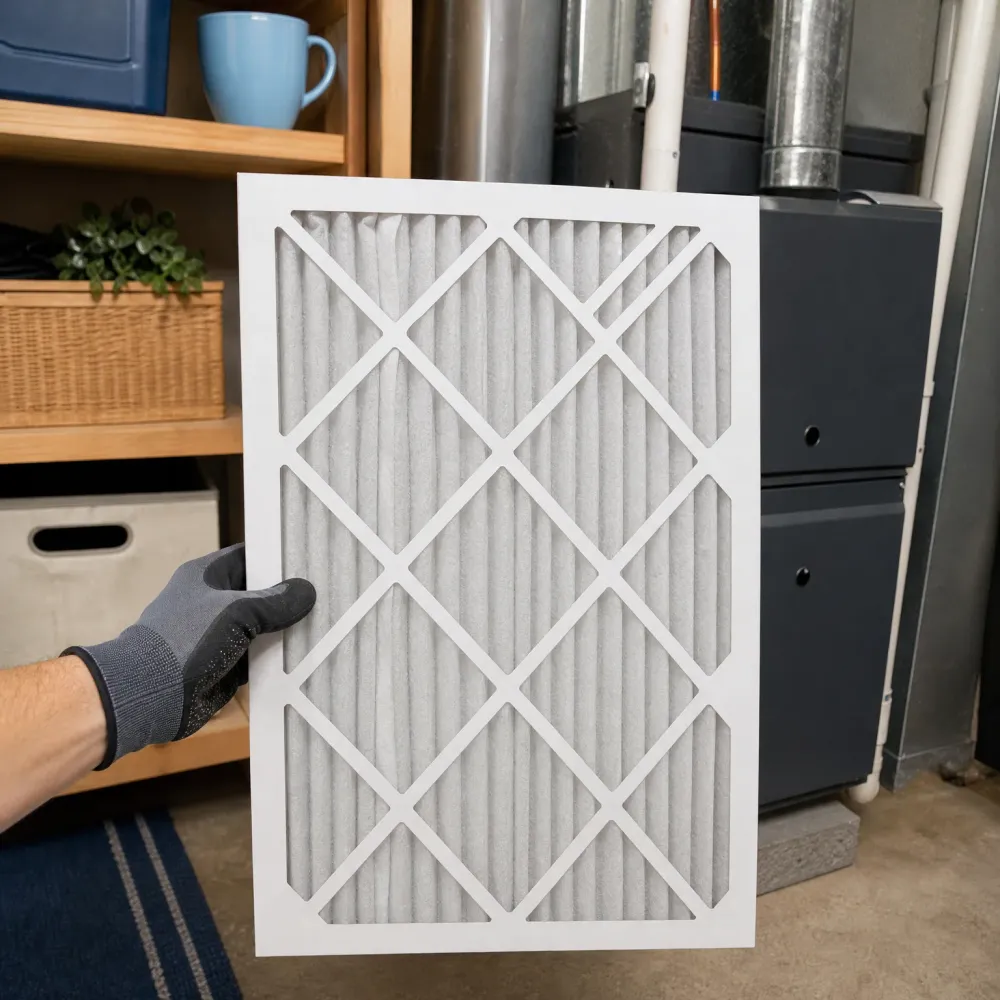
    A gloved hand holds a white pleated air filter in front of a furnace and wooden shelving holding baskets, bins, a mug and a plant.
  • Fast, strong heat on demand

    A furnace pushes out hot air within minutes of switching on. A cold house warms up fast.

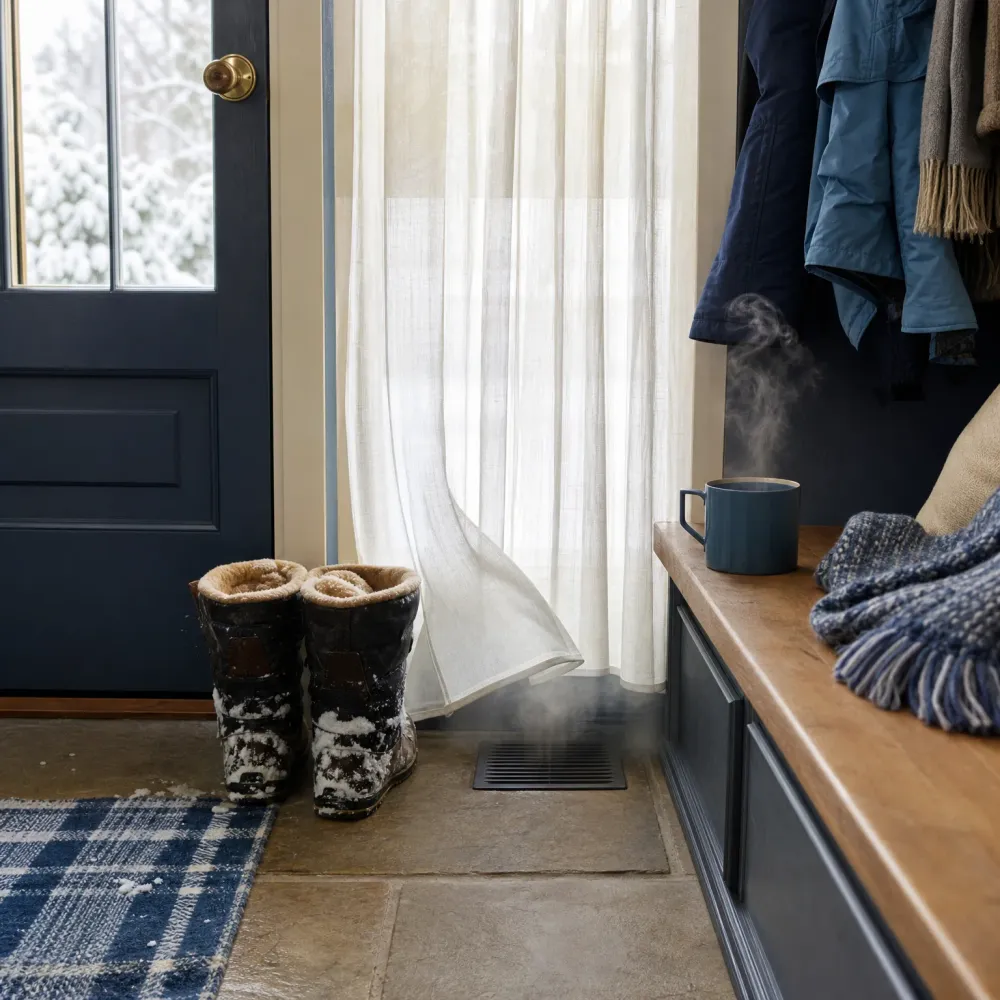
    A mudroom entry with a dark blue door showing snowy shrubs through its window, snow-covered boots on a stone floor, a sheer curtain, a floor vent with visible vapor, and a steaming mug on a wooden bench beside a knit blanket and hanging coats.
  • Pairs with any central AC

    The ductwork that delivers heat in winter delivers cool air in summer once an AC coil is added.

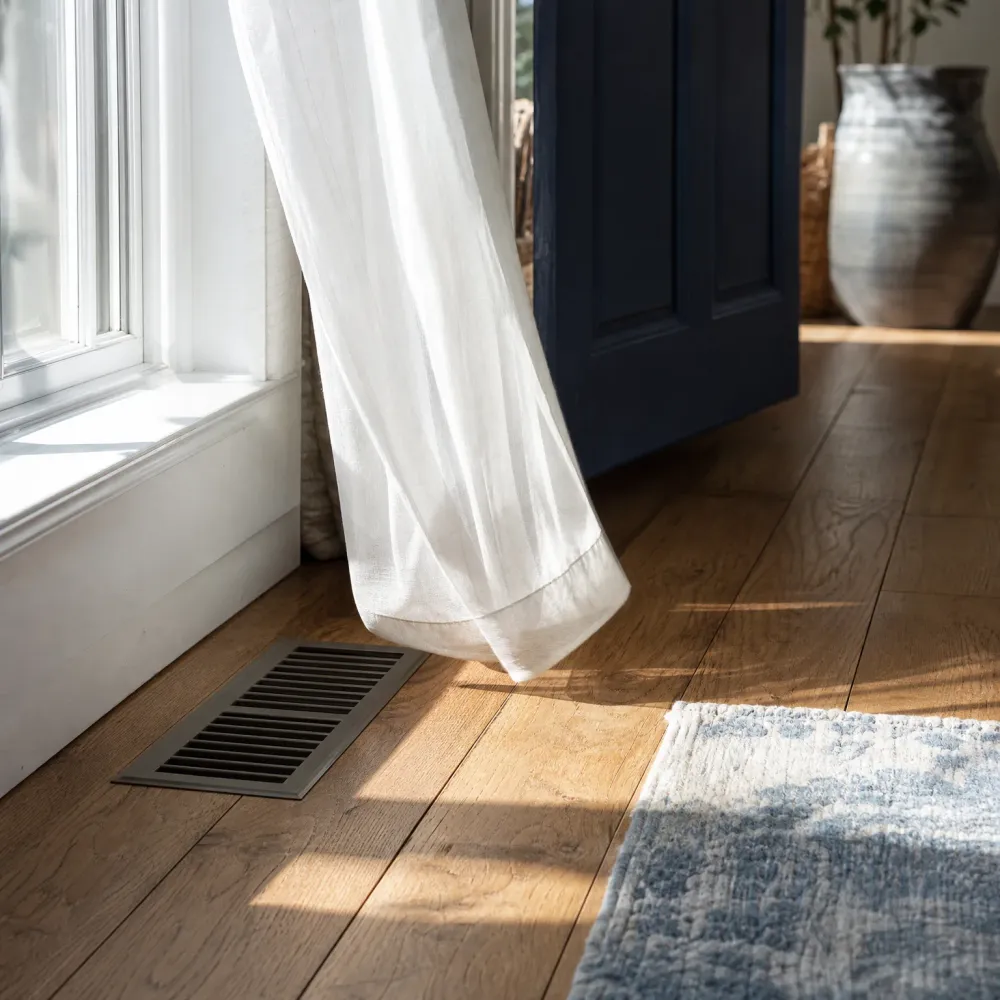
    A dark metal floor register set into a wood plank floor near a white baseboard and window, with a sheer white curtain, a navy door, and a blue and white rug nearby in sunlight.

Winters here don't ask much of a heat pump

Your winter here is short and mild enough that a heat pump can handle it without much strain. Heat runs about five months, November through March, and the overnight low averages 39 degrees across the worst of it. That's not cold a heat pump struggles with. It's the range it's built for.

The nights that worry people are the ones at or below freezing, and Lincoln County gets about 45 of those a year. Spread across the five months of heating season, that's under a third of the nights. Most mornings you wake up to, a heat pump is working well within its range. It's only on that colder minority of nights that it leans on backup heat to keep up, and the running-cost figure above doesn't include what that backup adds.

Cooling is actually the longer job in this county, six months against five, and afternoons hit 90 or above about 70 days a year. A heat pump handles both ends of that with one system. A furnace only ever does the winter half. For the other seven months here, it sits unused while a separate AC unit does the work a heat pump would have done by itself.
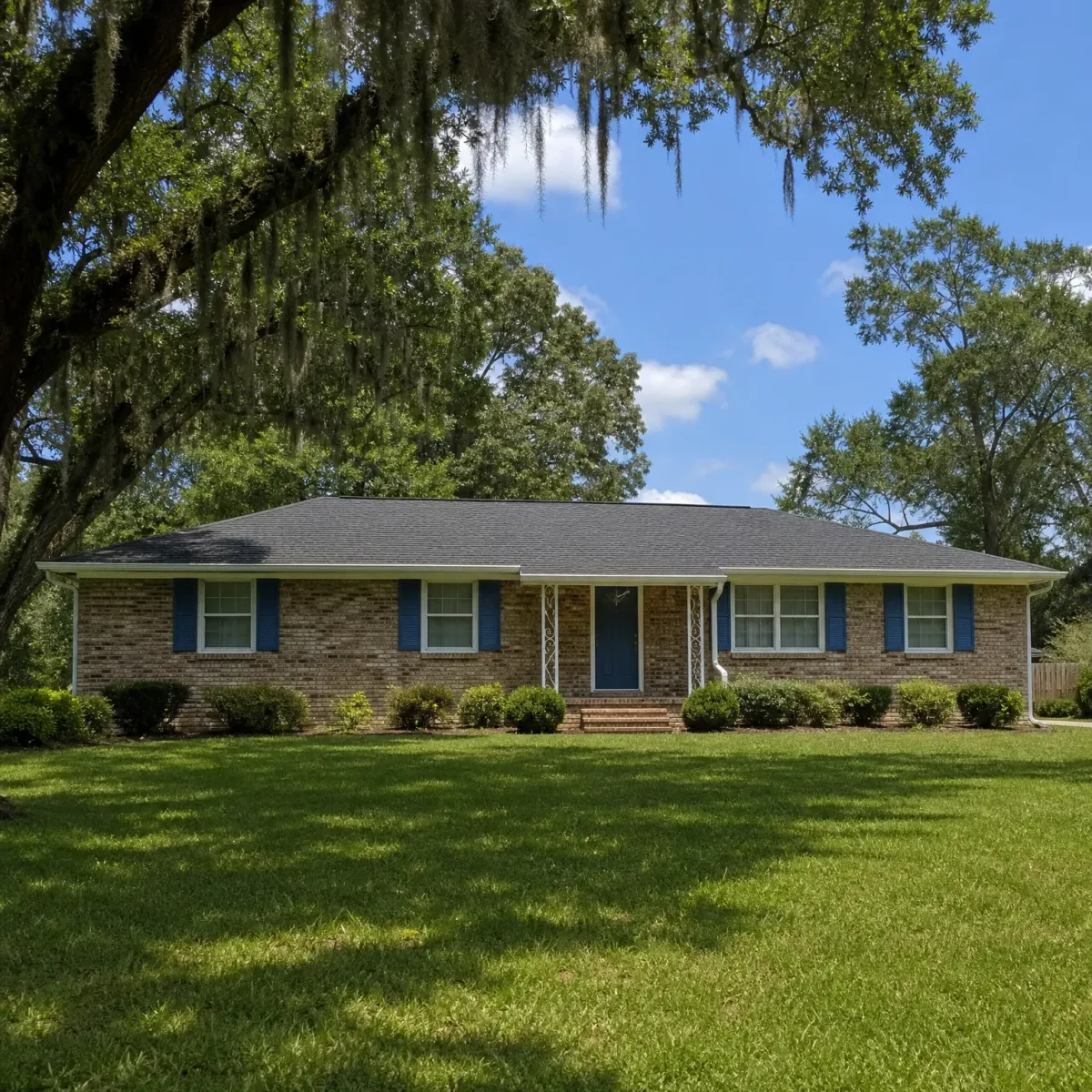
A single-story brick ranch house with gray shingled roof, blue shutters and a blue front door, set behind a mowed lawn with large moss-draped trees under a blue sky.

What your neighbors already run

At today's Mississippi prices, the two cost about the same to run here: $1.79 per 100,000 Btu for a heat pump against $1.88 for a gas furnace. That's close enough that running cost alone won't make the decision for you. What tips it is what else each machine does and what it takes to own.

Electricity already heats about two in three homes in this county. Gas, whether from a utility line or a propane tank, heats roughly three in ten. If your house already has a gas line run to it, a furnace is simple to install and simple to get serviced, and it gives you strong, immediate heat on a cold morning. If it doesn't, bringing in gas service just to run a furnace is a cost a heat pump skips entirely, since it runs on the electricity your house already has.

A furnace also only heats. You would still need a separate air conditioner for the six months of cooling season, and that's a second system to buy, install and maintain. A heat pump is that same electric service doing both jobs, which is worth weighing against the furnace's faster heat on the coldest nights.

Sources: NOAA nClimDiv · NOAA 1991–2020 seasonal normals · Census ACS 2020–2024 · EIA SEDS 2024 · 10 CFR 430.32

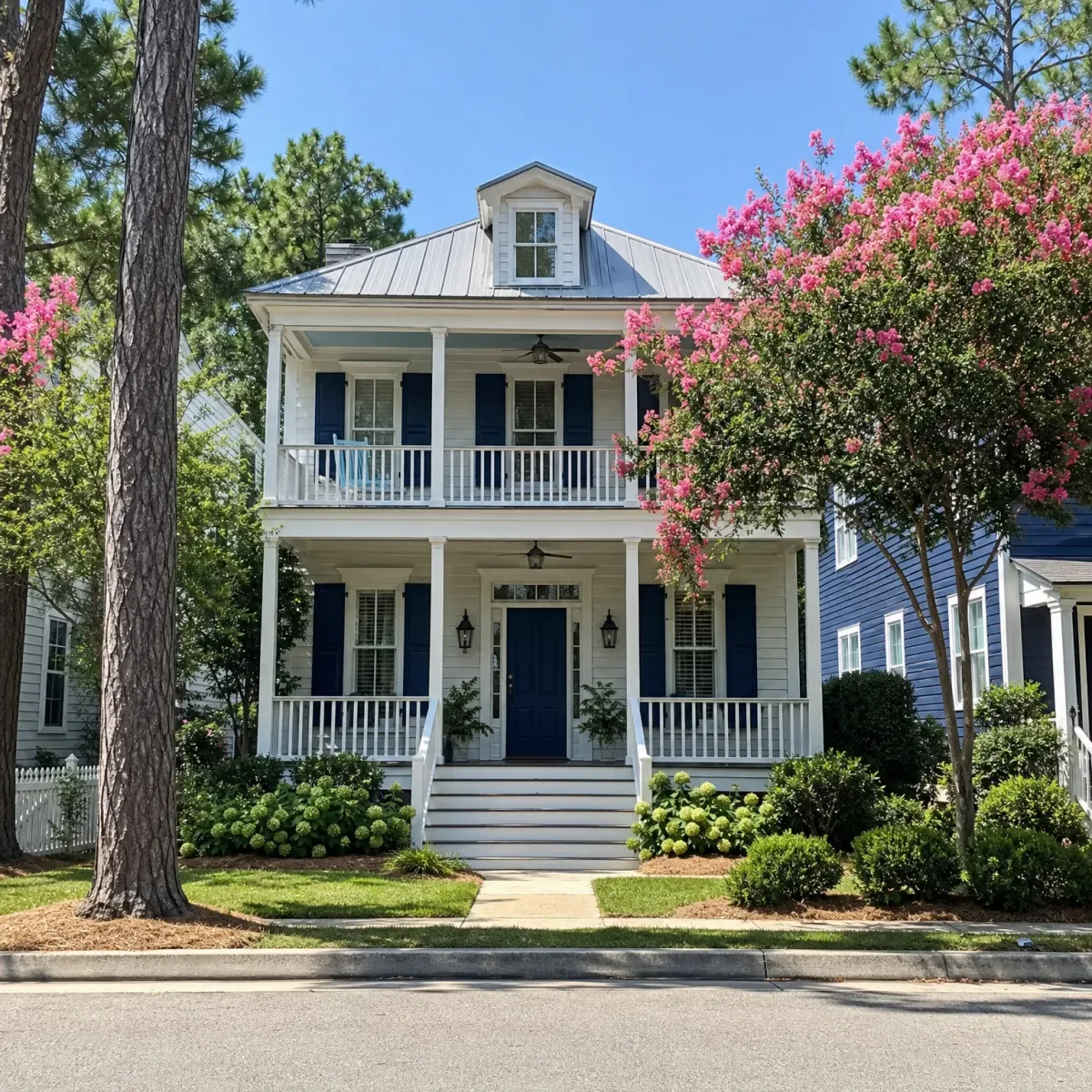
A two-story white house with double porches, navy shutters and front door, a metal roof with a dormer, flanked by pine and pink-flowering crape myrtle trees, with hydrangeas and a walkway leading to the street.

Common questions about heat pumps and furnaces

  • Will a heat pump keep my house cool enough here?

    Yes. A heat pump is a central air conditioner that can also run in reverse, so the cooling side works exactly like the AC your neighbors already have. Afternoons reach 90°F or above about 70 days a year here, and that's the same heat the cooling side of a heat pump is built to handle.

  • Can I keep my furnace and add a heat pump?

    Yes. That pairing is called a dual fuel system, and it works by splitting the job between the two: the heat pump carries the heat down to some set temperature outside, then the furnace takes over below that point. Here the overnight low only falls to 32°F or below on about 45 nights a year, so the furnace would be covering a minority of the nights the heat runs, with the heat pump doing the rest.

  • What if my house doesn't have a gas line?

    A heat pump is the one built for that. It runs on electricity alone, the same as electric resistance heat, but it moves heat instead of generating it, so it costs less to run than straight electric heat. Propane and oil furnaces work without a gas line too, but propane here runs $29.42 per million Btu against $39.26 for electricity, and a heat pump built to the federal minimum turns that electricity into heat at $1.79 per 100,000 Btu, cheaper than either fuel burned in a furnace.

  • Is a heat pump cheaper to run than a furnace in Lincoln County?

    Yes, a little. At Mississippi's average prices, a heat pump built to the federal minimum runs $1.79 per 100,000 Btu of heat, against $1.88 for a gas furnace built to the federal minimum. The gap is small enough that either one is a reasonable bet here, but the heat pump comes out ahead.