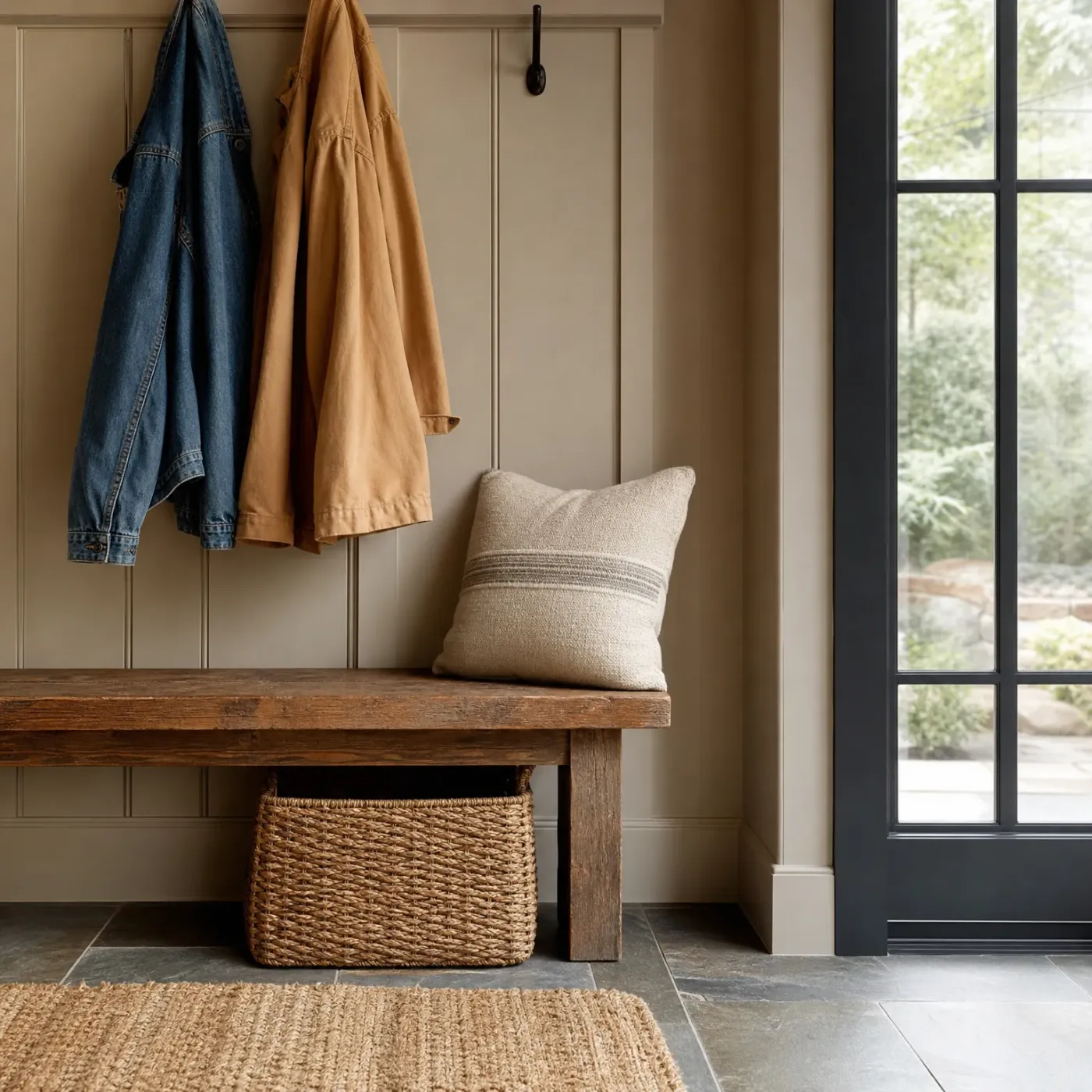
Pilot lit, flame steady
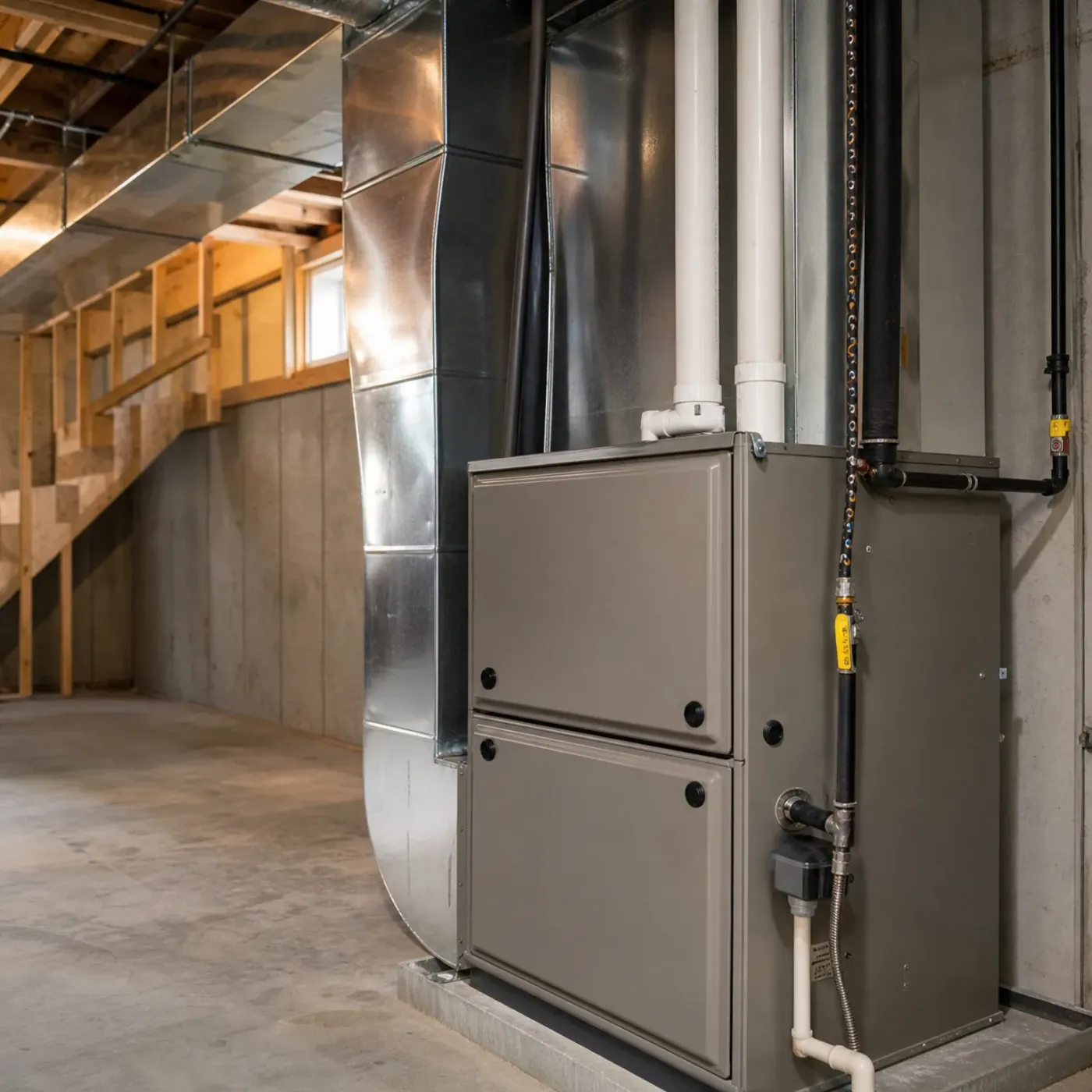
This is what a working setup looks like, PVC intake and exhaust pipes feeding a high-efficiency furnace, the burner cycling on and off as the thermostat calls for it. No lingering gas smell, no clicking that won't catch.
The right pro for this job
A pilot that won't stay lit usually comes down to the thermocouple, a draft, or the gas valve behind it. Most furnaces in Jackson and around Hinds County are electric, so a gas pilot points to specific parts worth checking before anything gets replaced. Skip calling around for someone who works on these, and get matched with a contractor who can take a look.
Get a local proA pilot light that won't stay lit almost always means the thermocouple has worn out. That's the small metal rod the pilot flame touches, and its job is to tell the gas valve the flame is burning. Once it wears out or sits slightly out of position, it can't sense the flame anymore, so the valve shuts off gas to the pilot as a safety measure, even though the flame was fine. A draft reaching the pilot from a loose vent cover or a nearby air leak can cause the same thing, blowing the flame off the thermocouple just enough to break contact. Less often, the gas valve itself is failing and won't hold the pilot open no matter what. Since most furnaces around Jackson and Hinds County run on electricity, if yours burns gas it's worth having someone check the thermocouple first, since that's the part most likely to be the cause and the easiest to replace.
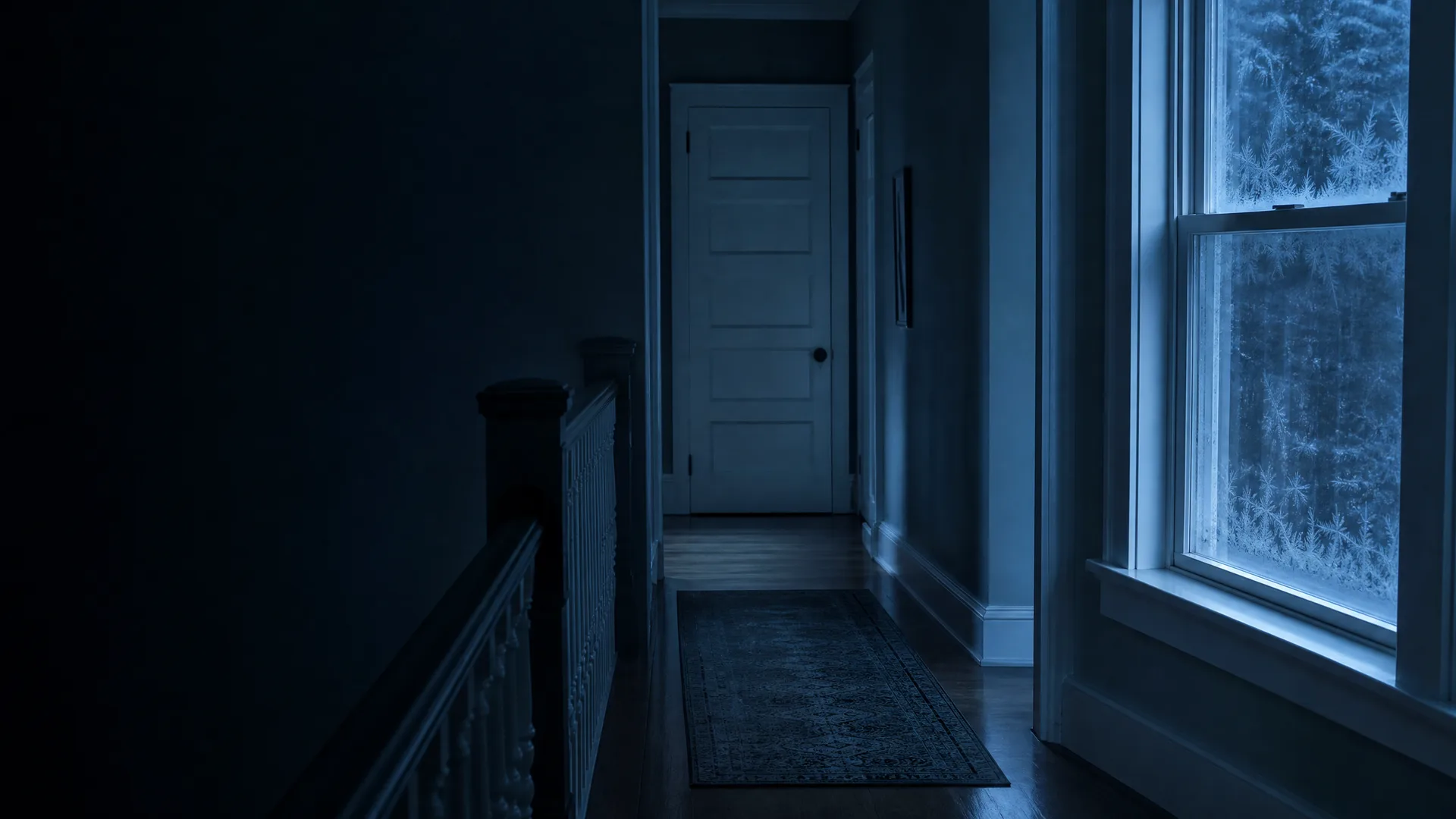
Two in the morning and the house is quiet except for the cold. You're up checking on the kids, and the hallway floor vent isn't doing anything, no air, no sound. The window at the end of the hall has frost creeping in at the edges, and the light coming through it is that flat blue that only shows up this late. You crouch by the vent anyway, hand against the grate, waiting to feel something. Nothing's coming. Somewhere downstairs the furnace has gone quiet, pilot out again, and the house is left to sit with whatever heat it has left until morning.


You turn the knob, hold it, light the pilot, and it catches fine. Let go, and within a few seconds it dies again, or it holds through the day and quits the next time the furnace calls for heat. You might hear the gas valve click and smell nothing, which means it never really stayed lit at all. Some nights you relight it two or three times before giving up. One of your gas furnaces in Hinds County is probably doing exactly this right now, and if it won't hold, there's no heat behind it, just a pilot that lights and a burner that never gets the signal to fire.




Winter nights average 38°F
Winter nights here average 38°F, cold enough that a furnace stuck on standing pilot has to hold a steady flame through the night, not just light once.
Heat runs November through March
Heat only runs November through March here, so a pilot that won't stay lit sits unused for months before anyone notices the thermocouple has failed.
51.5% of homes heat with electricity
Just over half of homes in Hinds County heat with electricity, so if yours runs on gas, parts like the thermocouple and pilot assembly are worth knowing by name.
NOAA nClimDiv 1991-2020 · ACS 2020-2024
Three parts have to agree before a furnace will hold a standing pilot: the flame itself, the thermocouple reading it, and the gas valve trusting that reading. When any one of those is off, the furnace does the same thing every time, it shuts the gas valve and the pilot goes dark. That's why the flame can look fine to you and the problem still sits somewhere else entirely.
Position matters more than most people expect. The thermocouple needs its tip sitting right in the pilot flame, about half an inch deep, to read hot enough. Soot buildup or a bracket that's worked loose can push it just far enough out that it stops registering heat, even though the flame burning next to it looks completely normal.
Airflow causes a different version of the same problem. A draft pulling through the flue, or air moving wrong because of a cracked heat exchanger or a vent nearby, can push the pilot flame sideways off the thermocouple without blowing it out. The flame survives, but it's no longer touching the part that's supposed to sense it.
Sometimes the flame itself is the issue before it ever reaches the thermocouple. A pilot orifice clogged with dust or rust chokes the gas down to a flame too small to register as lit, no matter how well-positioned everything else is.
And occasionally none of that is it. The gas valve can fail closed on its own, which looks exactly like a thermocouple problem from where you're standing, until someone opens it up and checks the valve by itself.

Describe what your furnace is doing once, in one form.
Get matched with someone who does this kind of work in Hinds County.
No charge to send it. You decide if you hire them.
A thermocouple is cheap and you can buy one at a hardware store, so it's a fair question whether this is a job you can do on a Saturday afternoon instead of waiting on someone else. The part itself isn't complicated. What makes people stop and call someone instead is the gas running to it and the fact that getting it wrong doesn't always announce itself right away.
Swapping the thermocouple means working on a line that carries gas into your house, and the furnace has to be shut down and the gas supply closed off correctly before anything comes apart. The new thermocouple has to seat at the same depth in the pilot flame as the old one, usually about half an inch in, or it fails the same way again within days. A licensed contractor also checks whether the pilot assembly or gas valve is what actually failed, since a thermocouple replaced on its own won't fix a bad valve behind it. That's the part a homeowner can't see from the outside.
Gas flows to the pilot burner when the control calls for it.
The pilot flame heats the thermocouple tip sitting inside it.
The thermocouple sends a small signal telling the valve the flame is lit.
The gas valve stays open only as long as that signal holds.
At 38°F, your furnace isn't cycling on and off a few times a night, it's holding that pilot flame for hours straight. A thermocouple that's marginal might pass a quick test but still drop out somewhere around 3 a.m., which is exactly when you'd notice.
NOAA nClimDiv 1991-2020

This is what a working setup looks like, PVC intake and exhaust pipes feeding a high-efficiency furnace, the burner cycling on and off as the thermostat calls for it. No lingering gas smell, no clicking that won't catch.

This older furnace relies on a standing pilot fed through that flexible flue pipe into the block wall above it. When the flame won't stay lit here, the thermocouple sitting in that pilot is the first thing worth checking.



This is what it looks like when the pilot's doing its job: steady flame, burner kicking on when the thermostat calls for it, nothing to notice. The ductwork and lines around it stay dry, no rust forming where they meet the cabinet.

Surface rust like this on the cabinet or plenum doesn't mean the pilot problem is related, but it's worth a look while someone's already in there. An older furnace with a pilot that won't hold is worth having checked as a whole, not just the one part.

The flame goes out because the thermocouple stopped doing its job, or something nearby is pulling at the flame, or the gas valve isn't holding the way it should. That's the whole list. None of it means the furnace is on its way out, and none of it should take more than a straight repair to settle.
What it means for you is a thermostat you can stop watching once it's fixed, and nights where you're not back up checking a pilot at 3 a.m. Getting there means someone who's seen this exact problem a hundred times looks at your furnace specifically, not a general description of one. That's what matching you with a contractor who works on these does. You explain it once, they get in touch, and the checking around is done.


A furnace pro near you