Furnace leaking water in Jackson, MS

Start one form

Water pooling near your furnace is not something to leave alone, and tracking down the right person to look at it shouldn't be another chore on top of it. Most homes around Jackson heat with electricity, and when something's wrong with that system, the usual routine is searching for a contractor, calling a few, explaining the same problem each time, then sitting with quotes trying to guess who actually knows the equipment. This page skips that. You get matched with one licensed contractor local to the Jackson area, someone who works on furnaces like yours all winter and has seen what usually causes this. No flood of calls from competing companies, no repeating yourself to five different people. Just one contractor who already knows the area and the equipment, ready to take a look.

Why is my furnace leaking water?

Water showing up around the base of your furnace is confusing, especially since most furnaces don't run on gas or burn anything here, with so many homes around Jackson heating with electricity. You want to know if this is something minor or a sign the unit is failing, and whether it's safe to keep running while you figure it out.

It's almost always condensation or a clogged drain line, not the furnace itself failing

A high-efficiency furnace produces condensation as it runs, and that water is supposed to drain away through a small tube and into a drain or condensate pump. When that line clogs with algae or debris, or the pump fails, the water backs up and finds its way out of the unit instead. Humidity here stays high most of the year, which gives algae more to grow on inside that line than it would in a drier climate. Less often, the leak comes from a cracked heat exchanger or a secondary drain pan that's already caught a problem elsewhere. Either way, a furnace that's leaking shouldn't keep running until someone who works on this equipment has looked at it.

A beige high-efficiency furnace in an unfinished basement, with white PVC vent pipes, a yellow gas line, metal ductwork, and exposed wood framing on a concrete floor.
A high-efficiency furnace drains condensate through its own PVC line, so a dry floor around it is how it's supposed to look.
An older beige furnace with two louvered vent panels stands on a concrete basement floor, connected to galvanized ductwork and a metal flue pipe, with gas piping and flexible conduit on the wall behind.
An older furnace with no condensate line of its own will show a wet floor first, before you ever notice a problem elsewhere.

A puddle under your furnace usually means water is going somewhere it shouldn't, and that rarely stays a small problem. If the furnace sits in a closet near living space, water can soften the subfloor or wick into the wall before you notice anything beyond the original spot. If it's in the attic, what you don't see matters more: a stained ceiling below is often the first sign, and by then the drywall and insulation have already taken on water. A clogged condensate line can back up far enough to trip a safety switch and shut the furnace down on its own, which is the system protecting itself, not a sign you can ignore the leak. Left alone, the moisture also gives mold a place to start, especially in a closed-up closet with little air movement. None of this means the furnace itself is failing. It means the water needs somewhere to go, and right now it's choosing your floor instead.

A middle-aged man with grey hair and a beard, wearing a grey knit sweater, sits on a light sofa in a sunlit living room with a houseplant, wooden cabinet and framed landscape picture behind him.
A man with greying hair and a beard in an olive sweater sits on a sofa in a living room, looking to his left, with an armchair, round side table and large glass doors onto trees behind him.
A gray-haired bearded man in a dark blue shirt over a white t-shirt sits on a leather sofa in a living room with built-in shelves, a floor lamp, an armchair and large windows, looking off to the side.
A man with gray-brown hair and stubble in a dark sweater sits on a light-colored sofa in a living room, looking off to the side, with a houseplant, framed picture, shelving and a sunlit window behind him.

No calling every shop in Hinds County

A furnace leak is not something to diagnose from a search result. Some causes are a clogged condensate line, a cracked drain pan, or a secondary heat exchanger that's failing, and telling them apart means opening the unit up. Left alone while you look for someone to call, that water keeps finding the subfloor or the wall behind it. Finding the right person is its own task, one you don't need on top of a furnace that's already leaking. A contractor working on furnaces around Jackson year-round has likely seen this exact unit before and knows what tends to fail in homes here. This request goes to one licensed local contractor who takes it from here, so you're not stuck fielding calls from several companies while water keeps spreading under your furnace.

Why the drain line clogs first

Condensate is mildly acidic, and it carries whatever dust and debris sits inside the line as it drains. Over time that buildup narrows the path until water backs up instead of draining out. Once it backs up, it finds the nearest low point, which is usually the floor under the furnace. A clogged line is one of the simpler fixes, but it looks the same from the outside as a cracked drain pan or a failing heat exchanger. That's why a tech opens the panel before naming the cause.

What a cracked pan tells you

The drain pan sits under the heat exchanger to catch condensate before it reaches the line. Plastic pans can crack with age, and metal ones can rust through, and either way the water starts missing the drain entirely. A pan that's failing usually leaks a little at a time, not all at once, so you might see a small puddle for weeks before it gets worse. Once the pan is gone, water has a direct path to the floor every time the furnace runs.

An older gas furnace with two louvered front panels stands on a concrete basement floor beside galvanized sheet-metal ductwork, pipes, and a weathered concrete wall.
Before you get your furnace repair
A gray high-efficiency furnace in a basement, connected to sheet-metal ductwork on the left and white PVC vent pipes above, with black gas and drain piping and an exposed wood-stud wall with OSB sheathing on the right.
After you get your furnace repair
  1. Condensate forms as warm exhaust cools inside the heat exchanger.

  2. Water drips down into the drain pan below the unit.

  3. The drain line carries it to a floor drain or pump.

  4. A clog or crack sends the water onto the floor instead.

A woman with shoulder-length graying hair, wearing a light knit cardigan over a striped shirt, sits in an upholstered armchair and looks off to the side, with a bookshelf and houseplant behind her.
A woman with dark hair in a bun sits on a grey couch holding a sleeping child wrapped in a knit blanket, with a lit lamp and potted plant blurred in the background.

How cold do Jackson winters actually get for your furnace

  • Winter nights average 38°F

    Overnight lows average 38°F here in December, January and February, so your furnace has to work in genuinely cold conditions, not just take the edge off.

  • Heat runs November through March

    Heat runs about five months a year here, November through March, which is enough time for a slow condensate clog to turn into a steady leak.

  • 51.5% of homes heat with electricity

    Electricity heats 51.5% of homes in Hinds County, more than any other fuel, so if your furnace is electric, a leak isn't a gas or combustion issue.

NOAA nClimDiv 1991-2020 · ACS 2020-2024

What to do about the leak

  • Water around the base of your furnace points to a clogged condensate line, a cracked drain pan, or a failing secondary heat exchanger.
  • Telling these apart means opening the unit up, not guessing from what you can see on the floor.
  • A licensed, local contractor who services furnaces around Jackson all winter has seen these same failures before and knows where to look first.
  • Working with one contractor means one visit and one diagnosis, not a string of calls to compare opinions.
  • Left alone, the leak can reach the subfloor or a nearby wall before the real cause ever shows itself.
  • Getting the right person on it now settles the question of what's actually wrong and what it takes to fix it.

Water at the base of your furnace has a handful of possible causes, and a clogged condensate line, a cracked drain pan, and a failing secondary heat exchanger don't look the same once someone opens the unit, even if they look the same on your floor. That's the part a homeowner can't settle from the outside. Someone who services furnaces around Jackson all winter has seen these same failures enough times to know which one to rule out first, and that's worth more than guessing.

Calling around to find that person is its own chore, on top of the leak itself. Getting matched with one licensed, local contractor means you make one call and get one diagnosis, instead of juggling a few different opinions and schedules to compare. You're not fielding calls from three companies trying to win the job. You're talking to the one who's coming to look at it.

The leak itself won't wait well. Water that's reached the subfloor or started into a nearby wall doesn't announce itself right away, and by the time it does, the furnace problem has become a second problem. The sooner someone qualified traces the water back to where it starts, the sooner you know whether this is a quick fix or something more involved, and you're not stuck wondering in the meantime.
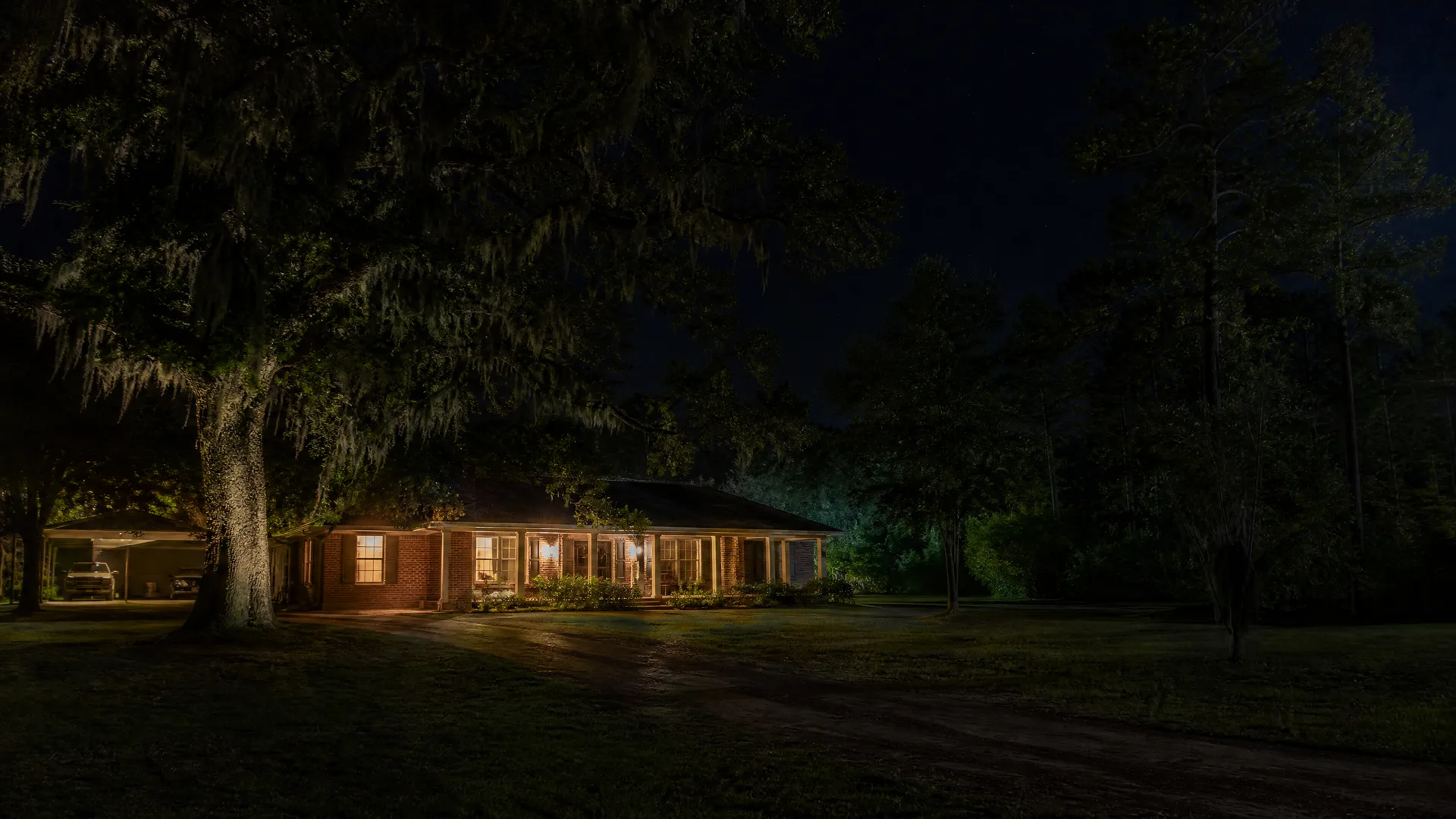

A dimly lit basement with concrete floor and walls, exposed wood joists, and a furnace with sheet-metal ductwork and copper piping on the left side.

No phone calls to make

Only one pro gets your request, so you hear from one company.

RepairFurnace or heatingHinds County, MS
Step 1 of 2

What ZIP code is the job in?